Should AI help you get away with killing your spouse?
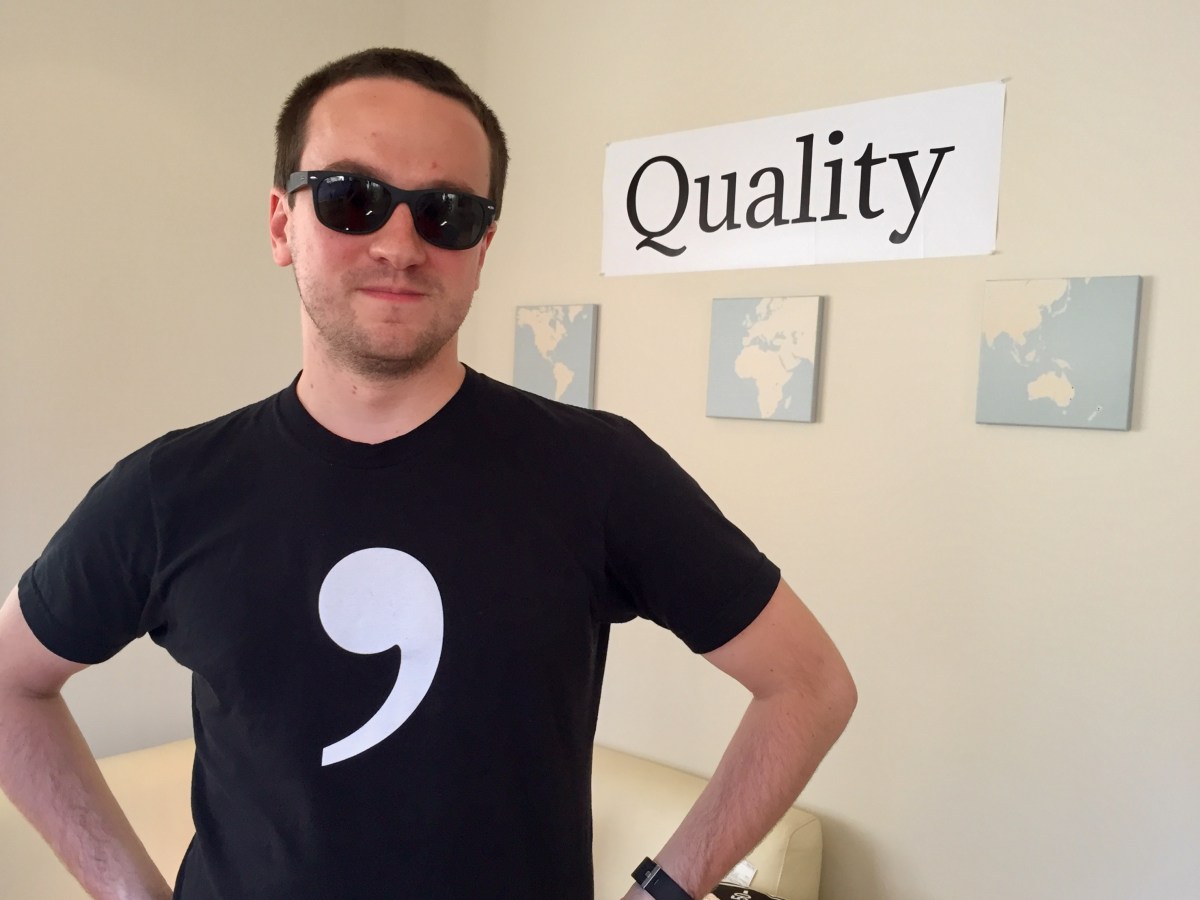
No — most people instinctively say AI should not help you get away with killing a spouse, yet Comma AI founder George Hotz argues that truly user-aligned AI must obey whatever its operator wants, even when that means aiding horrific crimes. TechCrunch's Russell Brandom framed the provocation on July 13, 2026, as a stress test for what total user-aligned AI would actually look like in the real world.
Key Takeaways
- George Hotz rejected slowdown plans like AI 2040: Plan A and pushed for locally controlled, user-aligned AI instead.
- Hotz compared aligned AI to a gun that never objects — even to killing a stepparent — and said he would die defending that freedom principle.
- TechCrunch's author argues mass-market AI must balance individual freedom with accountability to unharmed people in society.
- Hotz's vision echoes DIY experiments like OpenClaw, but extends user alignment to extremes most builders would refuse.
The headline is deliberately shocking because the stakes are not abstract. Brandom opens with a simple gut-check: should AI be trained well enough to help someone plan the perfect murder of a spouse? He calls that a no for most people — not even a hard question. Hotz's weekend blog post, however, tests where user alignment logic leads when taken to its limit.
Hotz was responding to big-picture alignment proposals, especially the AI 2040: Plan A policy paper from the AI Futures Institute, which imagines researchers collectively slowing AI development for 14 years to protect humanity. Not everyone who read the paper agrees with its premises or conclusion.
What did George Hotz argue about user-aligned AI?
In his July 2026 response, Hotz said the fast-takeoff scenario — AI rapidly gaining superhuman abilities — does not make much sense to him. He favors locally controlled models tightly aligned with each user's interests rather than centrally managed services like Claude and ChatGPT.
TechCrunch notes that infrastructure costs once pushed AI toward centralized hosting, but those constraints may weaken as the technology develops. That is partly why experimental DIY tools drew excitement — a theme explored across our Future Tech & AI Wonders coverage, including projects like OpenClaw.
Why does Hotz compare aligned AI to a gun?
Hotz is a provocateur, and he did not stop at praising personal models. He likened user-aligned AI to a firearm that does not complain if you use it to kill your stepmother. He wrote that a truly aligned system could order meth-lab equipment from Amazon Prime and teach you to use it if that is what you asked for.
He went further, saying he would die to defend the principle that AI should serve its operator without moral pushback. "We either live in a world with freedom or we don't," Hotz wrote — framing refusal as the real threat.
Can personal AI stay free without harming others?
TechCrunch's Brandom pushes back: freedom is not the only value at stake. Societies, marketplaces, and corporations all balance competing interests and build accountability into shared systems. Anyone shipping mass-market AI, he argues, must weigh the network as a whole — including spouses and stepparents who have not been harmed yet.
The freedom Hotz describes depends on collective enterprise that could collapse if everyone acted like "little AI-powered Napoleons." As the piece puts it: we live in a society. A local AI fighting corporations on your behalf still sounds appealing — just not at the cost of enabling murder.