Short intense exercise elicits stronger metabolic changes
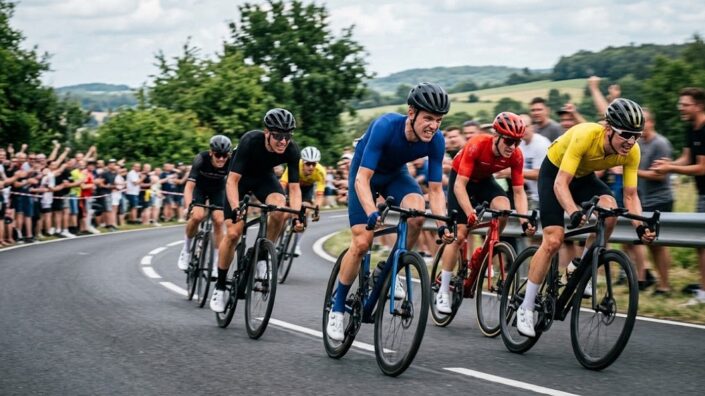
Short intense exercise elicits larger, faster shifts in circulating proteins and metabolites than long moderate workouts, a new study finds. Sprint-interval cycling boosted markers tied to cardiometabolic health and younger biological age—while most of those signals faded within hours but may compound with regular training.
Key Takeaways
- Sprint-interval sessions changed nearly a quarter of detected plasma proteins right after exercise.
- Most protein shifts returned toward resting levels within about three hours.
- Of 33 proteins tied to lower metabolic-disease risk, almost all responded to intense sprints versus few after moderate cycling.
- Intensity-driven molecular patterns held after eight weeks of training and in runners as well.
What did researchers compare in the new study?
According to reporting on Lifespan.io, scientists contrasted high-intensity sprint-interval exercise with moderate continuous cycling in young, active, metabolically healthy men. Sprint work was six 30-second all-out bike efforts with four-minute rests. The moderate arm was 90 minutes of continuous cycling at individually adjusted intensity.
Plasma proteome analysis showed intensity-dependent changes covering almost a quarter of detected proteins after sprints, including factors linked to angiogenesis, extracellular-matrix remodeling, gut signaling, and possible neuroregulation. Moderate exercise produced only modest time-dependent shifts.
Why do short bursts beat longer moderate work at the molecular level?
Metabolites also moved differently. Sprint sessions drove significant changes immediately and again three hours later, reflecting high energetic demand. Moderate cycling showed a delayed pattern: few molecules changed right away, with more appearing later, consistent with sustained effort.
Skeletal muscle appeared to release more intensity-sensitive, fiber-derived proteins after sprints than after moderate work. In cultured human fat cells, gene-expression shifts were stronger after the sprint-linked protein milieu than after moderate exercise, pointing to sharper interorgan crosstalk when intensity rises.
Corresponding author Paul Cohen of The Rockefeller University noted that just a few minutes of intense exercise can trigger a significant molecular response—and that the pattern persisted after eight weeks of training, suggesting it is not merely unfamiliar stress.
Could this matter for cardiometabolic and longevity goals?
Using UK Biobank and study data, the team flagged 143 proteins linked to multiple disease groups, most regulated only after sprint intervals. Narrowing to proteins associated with lower risk of metabolic disorders, obesity, and type 2 diabetes left 33 candidates. All but one were differentially regulated after sprints, versus only three after moderate cycling. More than a quarter of those 33 had previously been inversely associated with age.
Postdoctoral researcher Luke Olsen argued that exerkines—proteins and metabolites released into blood after exercise—are highly sensitive to intensity and may mediate benefits of brief vigorous work. Readers following longevity and biohacking will note the practical hook: transient molecular pulses from short, hard efforts may stack if repeated, though this study does not prescribe a public workout program.
Bottom line: for circulating health-linked proteins, short intense exercise elicits a clearer systemic signature than a long moderate ride—at least in the young male cohorts tested so far.