How Science Museum IMAX shows The Odyssey as Nolan intended
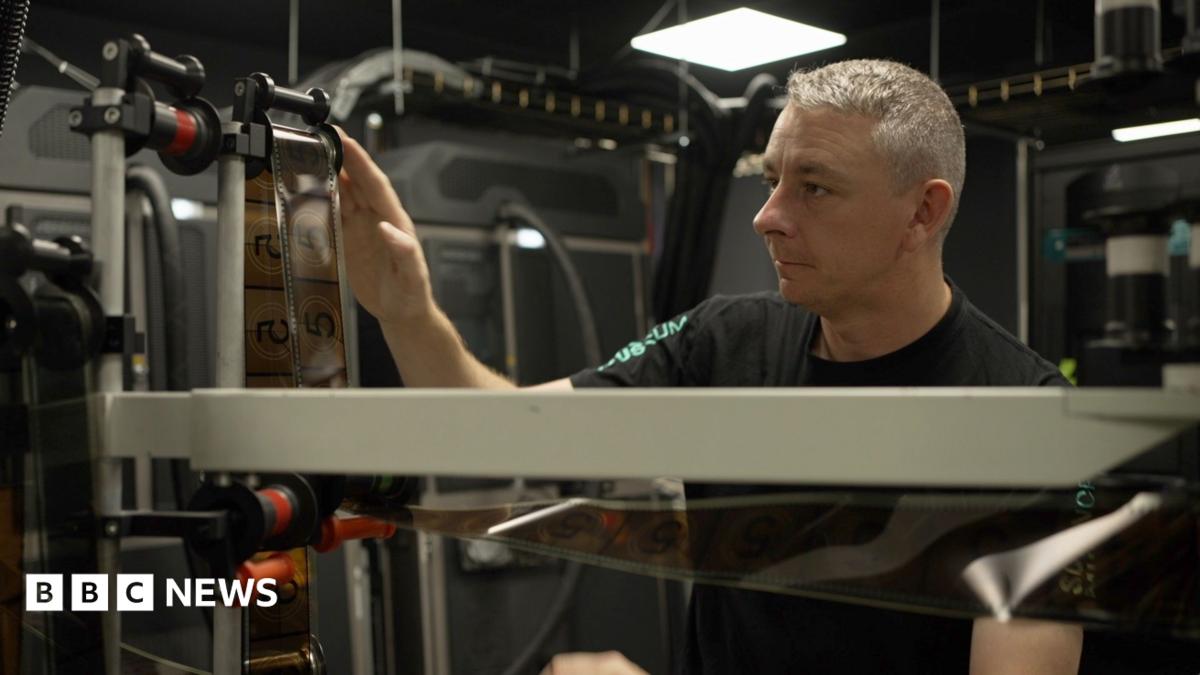
London's Science Museum IMAX is one of only 41 venues worldwide that can show Christopher Nolan's The Odyssey as the director intended—on physical IMAX 70mm, the format in which the $250 million epic was entirely shot. For film fans who follow BFI and premium cinema news, that rare presentation is why tickets remain sold out.
Key Takeaways
- The Science Museum is among just 41 global sites—and the U.S. has only 25 screens—able to play physical IMAX 70mm reels of The Odyssey.
- Nolan's film is the first ever shot entirely on IMAX 70mm cameras, filling the rare 1.43:1 aspect ratio for its full 173-minute runtime.
- Each celluloid print runs about 10 miles (16km) and costs roughly $50,000 (£37,400) to replace if damaged.
- Universal and Imax have extended 70mm runs into mid-September after weeks of sellouts, with Imax ticket sales topping $140 million worldwide.
That scarcity is the story. Most multiplexes show digital Imax crops. Only a handful of theaters can lace the physical film Nolan shot—and London's Science Museum is one of them, according to the BBC.
Why does The Odyssey need a Science Museum IMAX?
IMAX technical manager Matthew Raymond threads the reel in a humidity-controlled projection room in South Kensington so the stock does not curl or flake. Audio is not on the frame; sound runs separately from a hard drive so the full image area reaches the nearly square 1.43:1 screen.
Just over nine frames of traditional 35mm fit in the space of one IMAX 70mm frame. One second of film stretches nearly six feet (1.8m). The complete print is a vast 10-mile (16km) reel—so large Raymond, at 6ft 3in, can only just reach the middle when lacing feed units.
For more alerts on where premium titles screen and stream, see BlasterPost's Streaming & TV Alerts hub.
What does projecting the 70mm print actually involve?
Raymond calls caring for the stock "nerve-wracking" and says a "little bit of paranoia" keeps mistakes off the $50,000 reel. Projectionists never touch the image portion with bare hands—only spare leader wrapped to protect it. Before each show they clean the lens thoroughly; dust means three hours of stress.
Staff watch every screening, twitching the lens to clear specks. The film runs twice daily and will screen more than 100 times, already sold out—a major load for a small team that drafted in a former colleague. The 15kW xenon lamp lasts about 1,000 hours, costs £6,000 to replace, and runs at 24 times atmospheric pressure; crews wear stab-proof vests when changing bulbs in case of explosion.
A digital backup sits beside the film projector so the show can switch formats if the celluloid system fails—but the film path is what matches Nolan's intent.
Why are IMAX 70mm screenings being extended?
CNBC reports Universal and Imax pushed 70mm availability into mid-September as tickets sell out as soon as they drop. Forbes notes the run, once booked through Aug. 19, now stretches to Sept. 16 on Imax listings, with some theaters sold out seven weeks ahead and AMC apps queuing fans for new drops.
Imax locations are under 1% of total screens yet account for more than 20% of the film's global haul when Imax sales passed $140 million against about $652 million worldwide. Early morning and late-night shows have been added. Demand echoes the Oppenheimer premium rush—and next dedicated 70mm Imax commitments do not arrive until December's Dune: Part Three.
Raymond puts the reward simply: delivering the best presentation of a film years in the making. At the Science Museum, that final piece is still physical 70mm—exactly as shot.