Sam Kerr urges A-League investment after Gotham FC move
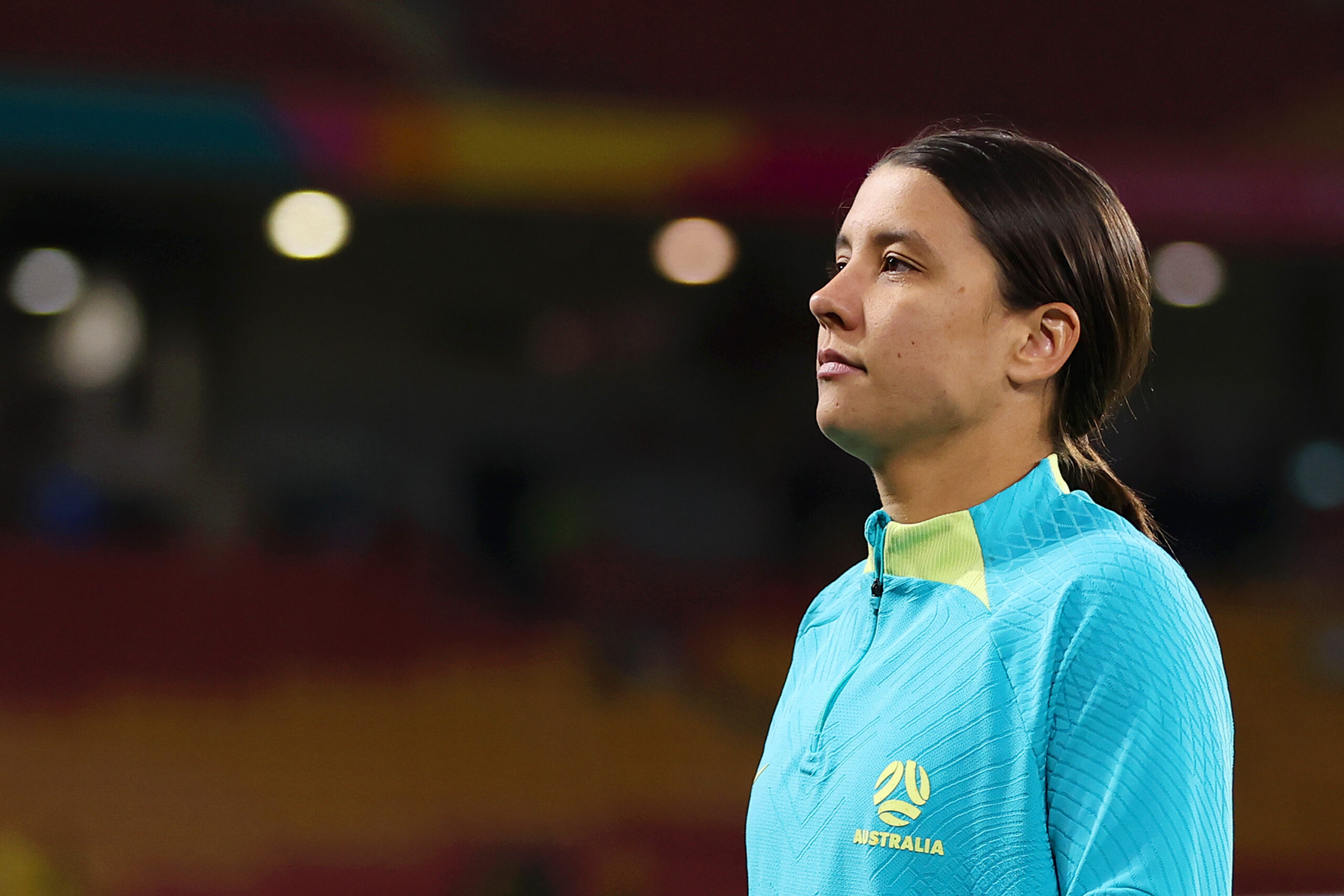
Sam Kerr, Australia's captain and newest Gotham FC signing, has urged urgent investment in A-League Women, warning that without funding players cannot stay. She spoke after joining the NWSL champions through 2030, as reporting shows funding cuts, club ownership gaps, and wages near $30,000 driving talent out of Australia's top women's league.
The Matildas star used her Gotham FC unveiling to spotlight a domestic league she says cannot retain talent without fresh capital. For readers tracking sports business and wealth hacks and passive income themes, her message is blunt: underfunded leagues lose athletes, audiences, and long-term value.
Key Takeaways
- Sam Kerr signed with NWSL side Gotham FC through 2030 and used her introductory press conference to demand more A-League Women investment.
- Central club funding fell from roughly $2 million to about $530,000 after a failed digital platform cost the Australian Professional Leagues an estimated $40 million.
- Average A-League Women pay sits near $30,000 a season, with roughly 60% to 62% of players taking second jobs.
- Ownership gaps at Canberra United and Central Coast Mariners' women's team underscore how fragile club finances remain after the 2023 World Cup boom.
- APL CEO Steve Rosich said the league is seeking women's-team investment for the Mariners ideally by 31 July for the 2026/27 season.
Why is Sam Kerr calling for A-League investment now?
At her Gotham FC unveiling, Kerr said she had been following developments back home and found them "quite disappointing." According to coverage from Just Women's Sports, she warned that without investment, "the players can't stay."
Her Football Hub reported her retention argument in full: Australia wants to keep national-team players and other top athletes, but capital has not followed. Kerr's own pathway began at Perth Glory, which adds weight to her critique of a league that once helped launch a Matildas golden generation.
She also singled out Central Coast Mariners news. A corporate takeover of the 2024/25 champions excluded the women's program, a move Her Football Hub said was publicly tied to a "lack of expertise in the women's game." Kerr said she had been reading about the Mariners and called the broader Australian situation disappointing.
How deep is the A-League Women's financial crisis?
Both outlets describe a league that failed to lock in post-World Cup momentum. Just Women's Sports said attendance dropped 26% in the seasons after 2023. Her Football Hub added that crowds rose to 312,199 in 2023/24 before shrinking to around 190,000 last season, even after Australia co-hosted the World Cup and later staged a high-drawing Asian Cup.
Money pressures are sharper than soft demand. A failed digital strategy — including the abandoned KEEPUP app — burned through an estimated $40 million, Her Football Hub reported. That loss helped drive central club funding from roughly $2 million down to $530,000, squeezing operating budgets across the competition.
Club-level stress is visible. Canberra United has spent years searching for a new owner; Her Football Hub said the hunt has lasted more than three years, with the APL conducting due diligence on two final interested parties. In May, Adelaide United announced significant cost-cutting affecting staff and players, after which Isabel Hodgson, Ella Tonkin, Erin Healy, and Matilda McNamara departed and star striker Fiona Worts left for South Korea's Incheon Hyundai Steel Red Angels.
Central Coast's women's future is also unresolved. After Total Growth Soccer Holdings took control of the Mariners men's side in June without the women's team, APL CEO Steve Rosich said the league had "begun working with parties to seek specific investment in the women's team" and hoped for an outcome on or before 31 July so the side can operate in 2026/27.
What do low wages mean for players and league value?
Pay is a core reason talent leaves. Average seasonal wages sit near $30,000, making A-League Women the lowest-paying professional women's sport in Australia, behind competitions such as the WBBL, Super Netball, and AFLW. Just Women's Sports put the share of players with secondary jobs at roughly 60%; Her Football Hub cited a figure as high as 62%.
That wage floor matters beyond hardship stories. When athletes must work second jobs, clubs lose preparation time, marketability, and the star power needed to sell tickets and media rights. Her Football Hub notes the league once attracted global names and helped produce Matildas stars including Kerr, Steph Catley, Ellie Carpenter, and Caitlin Foord — a pipeline now under pressure as top players chase better wages overseas.
From an investor lens, the gap between World Cup hype and club balance sheets is the warning signal. A league that cannot fund champions' women's teams or keep average pay competitive is not capturing the asset value its biggest events create. Kerr's Gotham deal — stability through 2030 with the NWSL champions — shows where capital and career security currently concentrate.
Can fresh capital stabilize clubs after the World Cup boom?
Kerr's public answer is that investment is non-negotiable if Australia wants players to stay. Just Women's Sports framed her Gotham transfer as a pointed message that the A-Leagues cannot survive without urgent funding after failing to capitalize on 2023 World Cup attention.
Near-term tests are concrete. Canberra United's ownership process, Adelaide's cost cuts, and the July deadline for Mariners women's investment will show whether private capital and league support can reverse the slide. Until then, Sam Kerr's call remains a high-profile audit of a league still searching for sustainable funding.
Her move also underscores a talent pipeline problem. When Australia's biggest export chooses long-term NWSL security while warning that domestic players cannot stay, the commercial case for A-League Women investment becomes harder to ignore — and harder to postpone.