Russian warship held live-fire drill off Plymouth coast
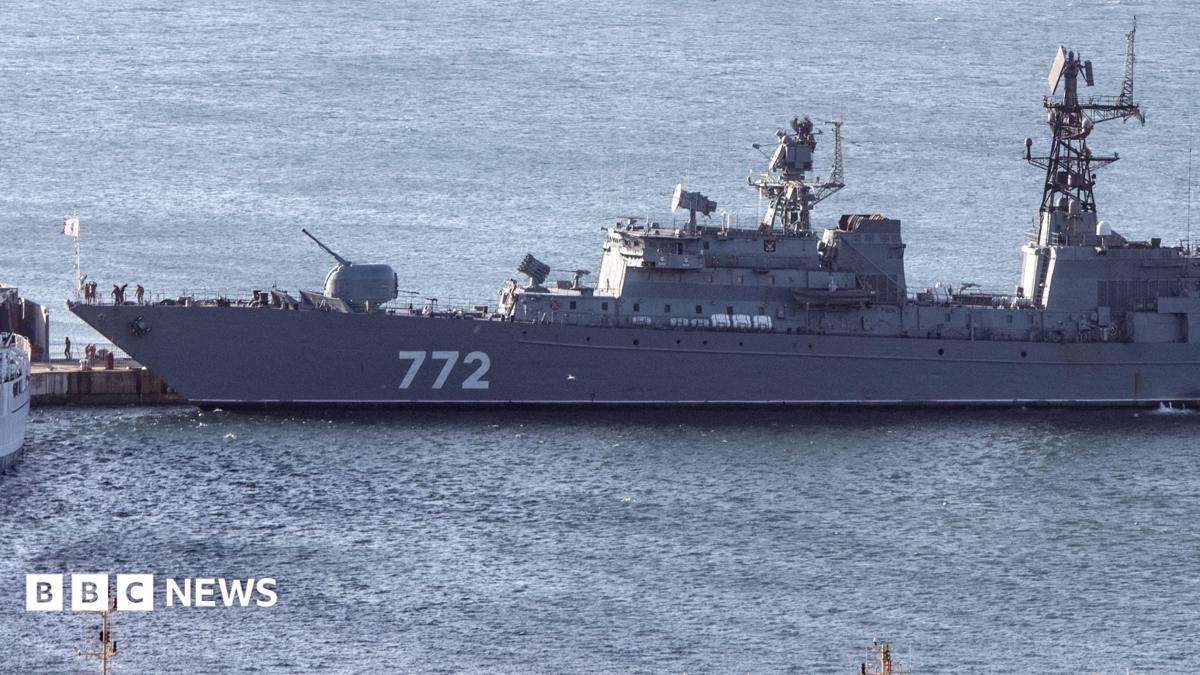
A Russian warship, the frigate Neustrashimy, carried out a live-fire artillery exercise about 46 miles south of Plymouth on Monday while shadowed by the Royal Navy. The Ministry of Defence said HMS Tyne monitored the drill in international waters. New defence secretary Wes Streeting called it performative and irresponsible.
Key Takeaways
- The Russian frigate Neustrashimy fired during a roughly 30-minute live-fire exercise about 46 miles south of Plymouth in international waters.
- HMS Tyne shadowed the warship, moved to a safer distance when asked, and the Royal Navy said it continues to track the vessel closely.
- Defence secretary Wes Streeting branded the drill performative and irresponsible; the Kremlin said it complied with maritime law.
- Analysts called short-notice gunnery this close to the south coast unusual, even if legally allowable with warnings.
- The episode follows months of Russian naval activity near UK waters, including a June tanker boarding and earlier Channel warning shots.
A Russian warship fired its main gun in a short live-fire exercise roughly 46 miles (74km) south of Plymouth on Monday, according to the BBC and UK defence officials. The frigate Neustrashimy — whose name translates as Dauntless — informed the Royal Navy offshore patrol vessel HMS Tyne of its intention to conduct gunnery activity before opening fire.
The drill took place in international waters, lasted about 30 minutes, and was monitored throughout by the Royal Navy. Wes Streeting, newly appointed as defence secretary, denounced the episode as “performative and irresponsible.” The Kremlin insisted the activity complied with international and maritime law and said it should not be read as a political signal tied to Andy Burnham becoming prime minister.
Readers tracking how security flashpoints can ripple through markets and household planning can find related explainers in our Wealth Hacks & Passive Income hub.
What happened off Plymouth and was it legal?
The Ministry of Defence said a Russian naval vessel shadowed by the Royal Navy conducted a live-fire weapons exercise in international waters approximately 40 nautical miles south of Plymouth — about 46 statute miles, matching BBC reporting. The Guardian reported that Neustrashimy announced a short-notice firing test and asked the British ship tracking it to move back to a safer distance.
HMS Tyne repositioned about five miles away, allowing a roughly 30-minute firing drill. BBC reporting likewise said the Russian frigate asked HMS Tyne to reposition before the gunnery activity. UK coverage described the exercise as legally allowable under international maritime rules because it occurred outside UK territorial waters and followed a warning to the nearby Royal Navy vessel, even while officials called the proximity unusual.
Streeting framed the drill as “the tip of the iceberg of the daily threats that this country faces and our allies face.” A Ministry of Defence spokesperson said the Royal Navy monitored the exercise throughout, continues to track the vessel’s activity closely, and stands ready to protect UK national security. For a detailed account of the monitoring picture, see the BBC News report on the Neustrashimy drill.
How did the UK and France respond to the warship?
HMS Tyne had been shadowing Neustrashimy for days. Ship-tracking data cited by the BBC showed the British patrol ship broadcasting about 40 miles off Plymouth from 13:57 BST on Monday and remaining in the area for roughly two hours before returning to Plymouth.
BBC Verify analysis of flight and ship-tracking data also indicated British military aircraft operating near the Channel off Dorset, including Eurofighter Typhoons, a Voyager tanker, and a Super Lynx helicopter. A French military aircraft made radio contact asking the Russian warship to clarify its intentions, the BBC reported, and flight data showed a French H160M Guépard helicopter operating over the Channel that afternoon.
On Tuesday morning, according to the Guardian, Neustrashimy was sailing east of the Isle of Wight and was thought likely to head into the North Sea, possibly to refuel. Shadowing responsibility had passed from HMS Tyne to HMS Mersey. The BBC noted HMS Tyne had been tracking Neustrashimy since at least 16 July, when both vessels were also seen in the North Sea about 36 miles from Felixstowe.
Why does this warship exercise matter now?
Timing drew political attention because Monday was also the day Andy Burnham was appointed prime minister, the Guardian reported. Streeting said Russia “should be in no doubt about the resolve” of the new government and prime minister.
Kremlin spokesman Dmitry Peskov told the BBC that Russian warship actions follow international and maritime law and that there is “no need to see any signals” in the exercise. He separately said Burnham had already signalled unconditional support for Ukraine and an intention to keep supporting Kyiv. Asked about hopes for improved UK-Russia relations under the new prime minister, Peskov told the Guardian Moscow had “no such hopes.” UK defence sources would not say whether the drill was timed to coincide with the start of Burnham’s premiership, the BBC reported.
Analysts stressed how rare such gunnery is so close to the south coast. Retired Royal Navy commander Tom Sharpe told BBC Radio 4 the exercise was “very unusual” and, in his view, a signal, even if allowable. He said that apart from the warning to HMS Tyne, the Russian vessel did not put wider safety measures in place before firing a 100mm cannon, and that rounds of that calibre can ricochet for miles in one of the world’s busiest shipping lanes.
The Guardian described the 130-metre Neustrashimy as armed with a 100mm cannon capable of firing 50 rounds a minute at a range of 20km, plus anti-ship cruise missiles and air-defence guns. Defence sources told the Guardian they could not recall a Russian warship test-firing so close to the UK.
The episode fits a wider pattern of Russian naval activity near British waters in 2026. Last month, Royal Marine Commandos boarded a Russia-linked shadow fleet oil tanker in the English Channel. Also in June, another Russian frigate, Admiral Grigorovich, fired warning shots near a British couple on a yacht about 23 miles off the Isle of Wight, according to prior UK coverage referenced by both the BBC and the Guardian.
Neustrashimy arrived off the British coast earlier this month, replacing Admiral Grigorovich after an extended Channel and North Sea deployment. Russian warships regularly transit international waters in the Channel, separate from UK and French territorial seas, but live-fire drills at short notice this close to the coast remain uncommon.
What should the public watch next after the warship drill?
Expect continued Royal Navy shadowing as Neustrashimy moves, plus political messaging from both London and Moscow. Streeting’s comments set a firm early tone for the new defence brief, while Peskov rejected the idea that the firing was a coded message about Burnham’s arrival.
Watchpoints include further short-notice gunnery in the Channel or North Sea, allied radio contact, and whether shadow-fleet friction escalates after last month’s boarding.
In short, a Russian warship used international waters for a brief live-fire test that officials say was monitored and lawful, but proximity to Plymouth and the political backdrop made it a sharp reminder of rising naval pressure around the UK.