Russia used shadow tankers to spy on Europe's nuclear sites
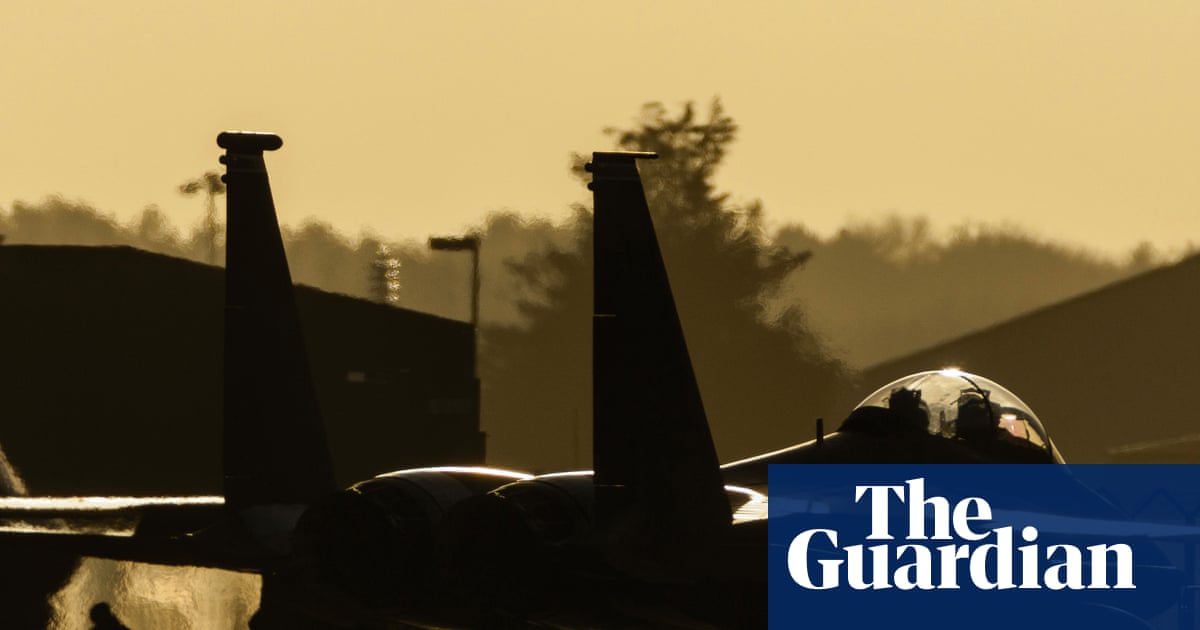
DIRECT ANSWER: Russia almost certainly ran an 18-month drone surveillance campaign over European nuclear and NATO bases, launching unarmed UAVs from shadow-fleet tankers in international waters, according to a July 2026 IISS report. The russian tanker drone mystery targets included RAF Lakenheath and nuclear bases in France, Belgium and the Netherlands.
A landmark study by the International Institute for Strategic Studies has lifted the lid on what researchers describe as one of the most audacious grey-zone espionage operations of the decade. Published on 2 July 2026, the report maps 144 drone incidents across more than a dozen European nations between August 2024 and February 2026—and concludes the Kremlin operated with "substantial impunity."
Key Takeaways
- IISS analysts tracked 144 drone sightings across 13 European countries over 18 months, with roughly half involving military facilities.
- Sanctioned shadow-fleet tankers—including the Hav Dolphin—were likely used as launch platforms from international waters.
- Nuclear deterrence sites in the UK, France, Belgium and the Netherlands were repeatedly overflown.
- European air defences failed to stop low-flying drones designed for conventional missile threats.
- Incidents have dropped sharply since navies began seizing shadow-fleet vessels in early 2026.
How Did Russia Use Tankers to Launch Spy Drones?
According to the IISS, Moscow appears to have repurposed its sanctions-busting shadow fleet—oil tankers of murky ownership—as floating intelligence platforms. By operating drones from international waters, Russia could conduct surveillance without crossing national borders and complicate attribution.
On each occasion researchers examined, at least one Russia-linked vessel was positioned within range of the drone sighting. The sanctioned tanker Hav Dolphin was docked near Hull in November 2024, roughly 100 miles north of RAF Lakenheath, when unusual low-flying drones breached that base along with RAF Fairford, RAF Mildenhall and RAF Feltwell for roughly a week.
The report points to systems resembling Russia's Orlan-10 reconnaissance drone, which can fly roughly 300 miles with up to 12 hours of endurance—enough to reach inland targets from coastal waters. Co-author Charlie Edwards said it is "likely" shadow-fleet vessels served as maritime platforms for launching, recovering or relaying signals.
Which European Nuclear Sites Were Targeted?
The campaign focused heavily on NATO nuclear deterrence infrastructure. In the UK, RAF Lakenheath in Suffolk was being prepared to host US nuclear weapons—deployed there in July 2025—when drones entered its airspace in late November 2024.
In France, five drones were detected over the Île Longue submarine base in Brittany in December 2025, while three shadow-fleet vessels sat 60–120 miles offshore and the Hav Dolphin was near the Isle of Wight. Similar incursions hit Kleine-Brogel in Belgium and Volkel in the Netherlands in late 2025; both bases store US B61 nuclear bombs.
Beyond nuclear sites, the drones disrupted civilian life. A cluster of sightings in Denmark in September 2025 forced Copenhagen airport to close temporarily, with four shadow-fleet tankers—including the Boracay, seized by French commandos days later—nearby at the time.
Why Does the Russian Tanker Drone Mystery Matter Now?
IISS concluded the operation was "highly likely" orchestrated by the GRU, Russia's foreign military intelligence agency, and designed to test NATO air defences, map radar gaps, monitor Ukraine logistics hubs and apply psychological pressure—while staying below the threshold that would trigger a collective alliance response.
Researchers called Europe's reaction "uneven" and "fragmented." Allied defences built for bombers and missiles struggled against cheap, slow, low-flying UAVs. Sightings peaked at more than 30 in both September and November 2025, with Germany recording the highest totals.
Not everyone agrees on attribution. A British defence official told reporters that a defence police investigation found no evidence conclusively linking UK drone sightings to Russia, though Dutch officials confirmed drones over Volkel and said protective steps were taken. For readers following True Crime & Unsolved Mysteries, the lingering question is whether investigators can ever close the chain of custody from tanker deck to airspace breach.
The full IISS findings are detailed in The Guardian's coverage. Co-author Louis Byrne noted activity has nearly vanished since European navies stepped up shadow-fleet interdictions—but the report's authors warn the blueprint remains a live threat.