Why George Russell kept Austrian GP pole after yellow flags
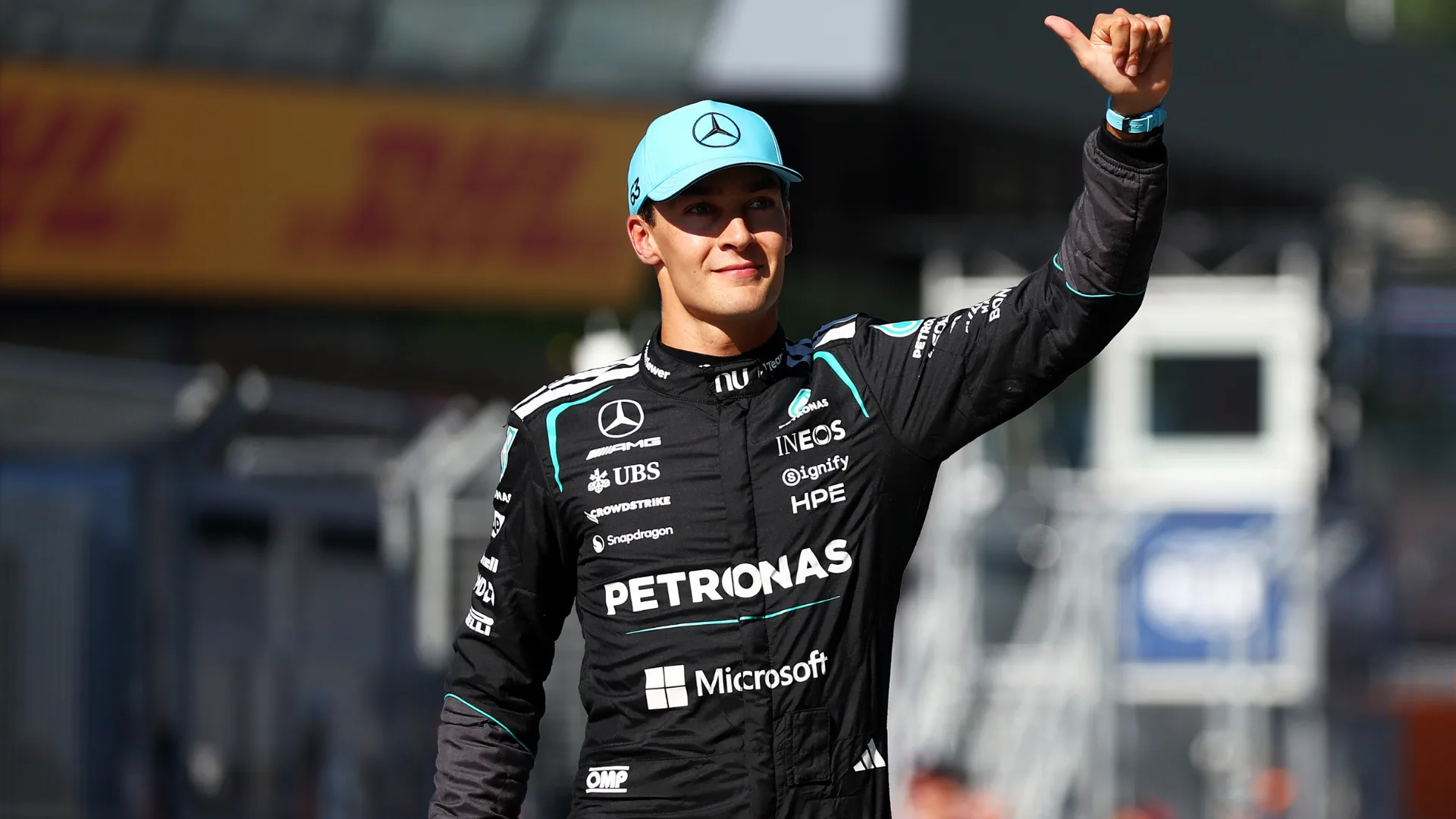
George Russell kept his Austrian Grand Prix pole because stewards found he passed Max Verstappen's Turn 9 crash under a single waved yellow flag, not double yellows. F1 rules allow a flying lap to stand if a driver clearly lifts and slows. Russell did that on team radio, and stewards decided not to open an investigation. The call capped a chaotic Q3 at the Red Bull Ring and set up a tense Sunday grid.
Key Takeaways
- Russell took pole for the Austrian Grand Prix despite yellow flags after Verstappen crashed at Turn 9 in Q3.
- Stewards issued no further action because only a single yellow was waving when Russell passed the sector.
- Mercedes teammate Kimi Antonelli aborted his lap after misreading the flag as a double yellow.
- Red Bull apologised to Verstappen after a rear aero failure caused his qualifying crash.
- Russell starts ahead of Ferrari's Charles Leclerc and Lewis Hamilton, with Antonelli fourth.
What happened during Austrian GP qualifying?
Qualifying at the Red Bull Ring ended in drama when Verstappen lost control at Turn 9 on his final Q3 lap, skated through the gravel, and hit the barriers. Race control waved yellow flags just as Russell, Antonelli, and others were still on flying laps.
Russell pressed on with a heavy lift through the affected corner and took pole ahead of Leclerc and Hamilton. Antonelli dropped to fourth after backing off, while Verstappen was unhurt but will start fifth after Red Bull's technical failure.
For live race-day coverage, follow our Streaming & TV Alerts hub for start times and where to watch.
Why did Russell avoid an investigation over yellow flags?
The answer comes down to flag type. Under F1 sporting regulations, a single waved yellow requires drivers to reduce speed and be prepared to change direction, but they may still complete a qualifying lap if stewards see a clear lift. A double waved yellow forces a much bigger slowdown, and any flying lap through that sector is deleted.
Race control showed a single yellow when Russell arrived at Turn 9. He told Mercedes radio he took a "big lift" on entry and lost significant time, and team boss Toto Wolff said Russell "lifted at the right time, the necessary amount." Stewards noted his improved lap time could warrant scrutiny, but they decided not to open a full investigation.
Formula 1's official breakdown confirms the result stood because Russell complied with single-yellow rules rather than setting a time under double yellows.
Why did Antonelli lose pole while Russell did not?
Both Mercedes drivers faced the same yellow-flag zone within seconds, but they made opposite calls. Antonelli believed he saw double waved yellows and fully aborted his lap, which ended any chance of improving on his earlier time.
After qualifying, Antonelli admitted the mistake. He said he could have lifted like Russell and still fought for the front row, though he was already about a tenth slower on his run to that point. Wolff said Antonelli had been the stronger Mercedes driver all weekend, but Russell's final lap was quicker until the flag appeared.
What caused Verstappen's qualifying crash?
Red Bull team principal Laurent Mekies said Verstappen's crash followed an unusual loss of rear aerodynamic performance that left him "no chance to survive" the Turn 9 snap. The team took full responsibility and apologised to Verstappen, with Mekies pointing to damage on the rear of the car after the straight-mode zone before the corner.
Verstappen said the spin was out of his hands once the rear grip vanished. He was uninjured and will start fifth at Red Bull's home race, while Russell targets a second successive pole and a chance to close on championship leader Antonelli on Sunday.