Romesh Ranganathan ‘gutted’ as Coughlans Bakery shuts
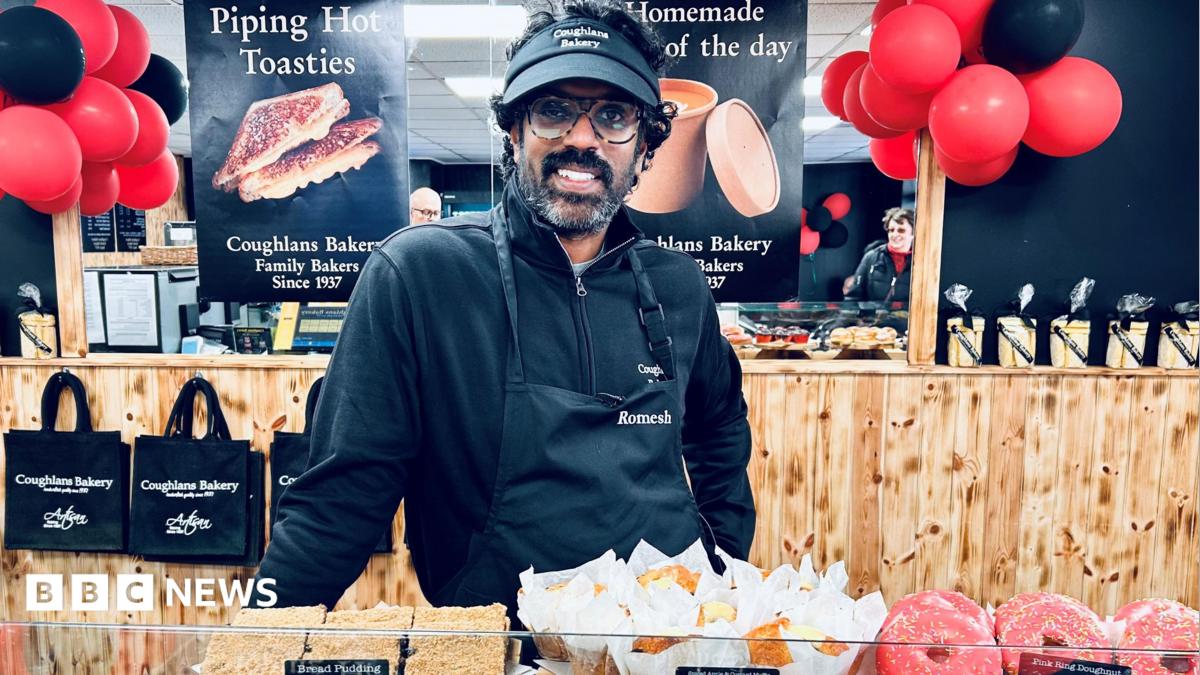
The coughlans bakery closure happened after the 1937-founded, family-run chain went into voluntary liquidation and ceased trading, shutting all 31 stores across south London and the South East. Co-owner Romesh Ranganathan said he was “gutted,” while managing director Sean Coughlan blamed surging costs and collapsing footfall during heatwaves.
Key Takeaways
- Coughlans Bakery has ceased trading and closed all 31 shops after entering voluntary liquidation.
- Boss Sean Coughlan pointed to rising costs (including employer National Insurance and business rates) plus higher fuel prices.
- Heatwaves in the South East were described as the “nail in the coffin,” with takings falling to about half of normal.
- Romesh Ranganathan, who became co-owner in 2024, reposted the closure message saying: “Gutted isn’t the word.”
What exactly happened with Coughlans Bakery?
Coughlans Bakery, a long-running chain that first opened in 1937, has shut down after going into voluntary liquidation, closing all 31 stores with immediate effect. The business had branches across south London and the wider South East, including areas such as Croydon and Coulsdon.
The news was shared publicly on social media by managing director Sean Coughlan, and amplified by comedian Romesh Ranganathan, who became a co-owner in 2024. Ranganathan reposted the video to his followers with the message: “Gutted isn’t the word.”
For an authoritative overview, see the BBC report: Romesh Ranganathan ‘gutted’ as his South East bakery chain shuts down.
Why did the chain say it had to close?
Sean Coughlan linked the shutdown to a mix of escalating costs and weaker trading conditions that the business could not absorb. He singled out rising employer National Insurance contributions and high business rates, saying the pressure had “absolutely smashed” local businesses.
He also cited fuel-price increases, describing the combined impact as adding around £20,000 a week to the bakery’s costs. On top of that, he said recent heatwaves in the South East—where temperatures reached as high as 35C—hit footfall hard, with customers staying away.
In his account, the effect was stark: the shops were taking in about 50% of a normal week’s revenue while outgoings stayed “exactly the same.” He described the heatwaves as the “nail in the coffin.”
What does this mean for Romesh Ranganathan—and why does it matter now?
Ranganathan’s connection to Coughlans wasn’t just a celebrity tie-in: he became a co-owner in 2024 and was praised by Sean Coughlan as having been “amazing.” Coughlan said he felt the business had “let him down,” adding that everything Ranganathan did “has been from the heart.”
Beyond the personal blow, the closure lands as another reminder of how quickly the economics of local retail can shift—especially when costs rise at the same time that real-world conditions (like extreme heat) suppress the everyday, walk-in trade many high-street businesses rely on.
If you’re tracking how fast-changing conditions are reshaping everyday life (and the knock-on effects for modern business), see more in our section: Future Tech & AI Wonders.
Why voluntary liquidation, and what did the boss say about staff and suppliers?
Sean Coughlan said the move into voluntary liquidation was made so the company could still pay suppliers and employees—framing it as a difficult decision taken before the situation got worse.
That detail matters because it signals the closure wasn’t presented as a sudden disappearance, but as an attempt to wind down while meeting obligations as best as possible. Still, the immediate outcome is the same for customers: Coughlans has ceased trading.
The Evening Standard also reported on the closure and store shutdowns following liquidation: Romesh Ranganathan-backed Coughlans to close after almost 100 years.