Robin Byrd is the sex ed icon who still won't go quietly
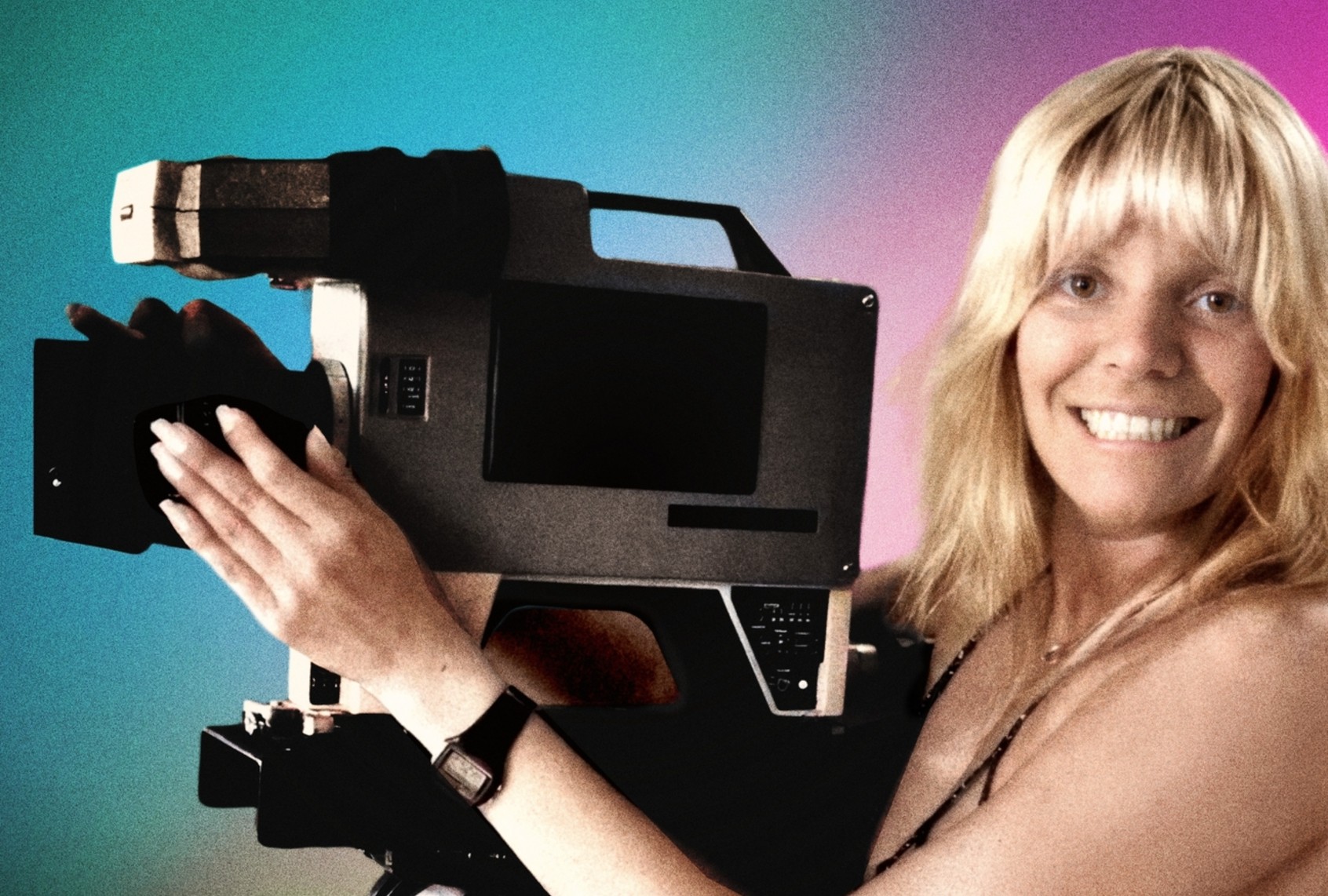
Robin Byrd—often stylized as Robyn Byrd—is back in the spotlight because HBO's documentary "Bang My Box: The Robin Byrd Story" revives the New York cable-access host who turned late-night TV into sex-positive education from 1977 to 1998, fought censorship, and now, at nearly 70, archives her legacy while caring for her husband Shelly through dementia. The film reframes a woman many viewers only knew as fantasy into a free-speech fighter and caregiver who refuses to fade quietly.
Directed by Jyllian Gunther and Stephanie Schwam, with Sarah Jessica Parker executive-producing, the documentary premiered at the 2026 Tribeca Festival and is streaming on HBO Max. For audiences who never flipped to Channel J after 10 p.m., it introduces a figure Sandra Bernhard called a "cultural avatar" and Joan Rivers dubbed "one of New York's best-kept secrets."
Key Takeaways
- Robin Byrd hosted "The Robin Byrd Show" on Manhattan Cable's Channel J from 1977 to 1998, blending striptease, call-ins, and safer-sex messaging during the AIDS crisis.
- "Bang My Box: The Robin Byrd Story" pairs archival footage with present-day scenes of Byrd preserving tapes and caring for Shelly, whose dementia requires daily supervision.
- Byrd sued Time Warner Cable over attempts to scramble adult public-access channels and won a landmark 1995 ruling protecting indecent programming.
- Before TV fame, Byrd fled an abusive home, modeled nude, appeared in 13 adult films including "Debbie Does Dallas," then pivoted to public access.
- Byrd's decades-long marriage to Shelly—hidden from viewers who knew her as the "orgy queen"—anchors the film's message about love without judgment.
Why is Robin Byrd trending again in 2026?
Byrd is trending because a major platform finally told her story on her terms. "Bang My Box" opens inside her Manhattan apartment, where shelves of tapes document more than 600 broadcasts. In one early scene, the 70-year-old pulls clips featuring Heather Hunter and Julie Bond, whom she proudly identifies as her first trans guest.
Then Shelly walks in, and Byrd recalls interviewing adult film star Jeff Stryker in a Las Vegas hotel bed—followed by sex while Shelly held the camera. Salon critic Coleman Spilde writes that the film uses "a Trojan-Condom Horse" to smuggle a broader message about humanity, censorship, and care into what looks like nostalgia. Her return also invites comparison between paid cable and today's algorithm-fed feeds—a thread we cover across Nostalgia: Then & Now.
What made The Robin Byrd Show so influential?
Byrd's hour-long, X-rated variety program aired weekly on metro-area television. She wore a signature black crocheted bikini against an all-red set crowned by a heart-shaped neon sign. Strippers and porn stars stripped, took viewer calls, and danced to her song "Baby, Let Me Bang Your Box" at every episode's end.
But the program was more than spectacle. During the AIDS crisis, when President Reagan refused to say "HIV" or "AIDS," Byrd demonstrated condoms and dental dams on air. Viewers she nicknamed "Byrdwatchers" have said her warmth was sometimes their only weekly dose of sex positivity. She produced, wrote, and directed the show herself—giving it a DIY warmth Salon argues felt more welcoming than polished late-night TV.
How did Robin Byrd fight censorship?
"The Robin Byrd Show" became a lightning rod when cable companies tried to scramble adult-oriented public-access channels, forcing subscribers to send written requests for channels they already paid for. Byrd joined co-plaintiff Al Goldstein in challenging Time Warner Cable. In 1995, she won a lawsuit blocking the federal government from banning indecent programming on those channels.
In archival footage, Byrd defended her art: "I show the human body; they're dancing. It's an art form. My intent is not to be indecent. What is indecent? I think homelessness is indecent. Children with no family—that's indecent." Full details appear in Salon's review of the documentary.
Who was behind the camera all those years?
One of the film's biggest revelations is Shelly Byrd, Robin's husband and co-producer of more than 50 years. Fans never knew they were married—together since 1974, wed in 1983. On set, crew called him "Mr. Head Gopher" because he answered phones. People reports the team also included a deaf sound person and a colorblind technical director.
Robin told People that Shelly never judged her on-air persona. "My audience has this imagination of who I am. I'm their fantasy," she said. "Nobody knew we were married. Me, the orgy queen—but he never judged me." Today, Shelly's progressing dementia requires regular supervision, and Robin monitors him throughout the film at their Manhattan apartment and Fire Island home.
How did a runaway teen become a cable legend?
Byrd's path began with pain. Born and adopted in Manhattan, she spent childhood in her antiques-dealer father's shop until he died when she was eight. Her adoptive mother, she told AOL and People, drank, screamed, and told her she would never amount to anything. After one fight, Byrd fled to Central Park among the hippies of the late 1960s.
She enrolled at the School of Visual Arts, posing nude for figure-drawing classes to pay tuition. A friend steered her toward the Miss All Bare America contest; High Society Magazine later booked a Christmas layout. Visits to Plato's Retreat led industry contacts to suggest she perform on camera. She appeared in 13 adult films, including "Debbie Does Dallas," before guest-hosting "Hot Legs" on public access. In 1977 she renamed the slot "The Robin Byrd Show"—finally wearing every production hat she had always wanted.
What does Robin Byrd want viewers to remember?
Byrd is not using "Bang My Box" to retreat from controversy. Salon notes she has let her hair go gray but kept her tan on Fire Island, where neighbors treat her as a living legend. She still argues that learning about sex through unregulated internet porn is more dangerous than her consent-based broadcasts ever were.
The film ends with Byrd's bare skin kissed by Fire Island sunlight—restating that the human body is not indecent. Between archiving tapes and tending Shelly, she is building a permanent home for memorabilia that might otherwise disappear. At nearly 70, the sex ed icon who won't go quietly is making the case for aging loudly, lovingly, and on her own terms. "Bang My Box: The Robin Byrd Story" is streaming on HBO Max.