Robert Jenrick on TV as Murray pushed on NHS AI app plan
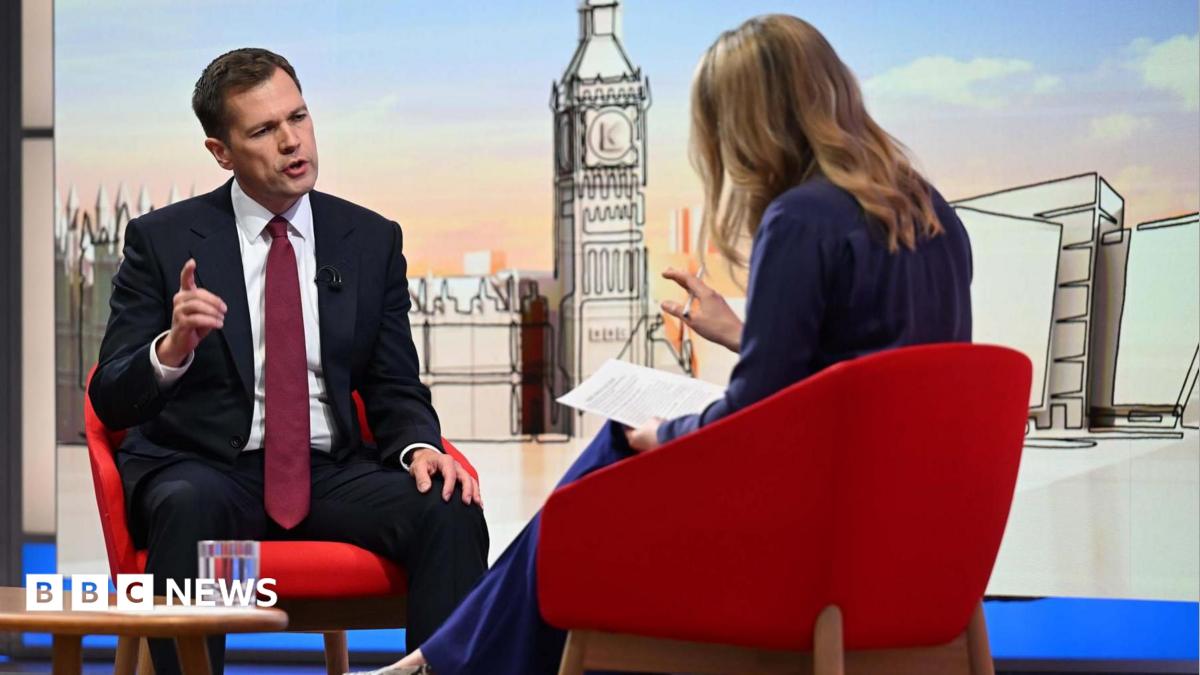
On Sunday with Laura Kuenssberg, Health Secretary James Murray said AI triage on the NHS app will not let a computer decide who sees a doctor, while Reform's Robert Jenrick later insisted Nigel Farage broke "no rules whatsoever" over benefits from ally George Cottrell — putting NHS tech and political accountability centre stage on 5 July.
The BBC live programme opened with Murray in the hot seat and Robert Jenrick waiting to follow. Kuenssberg pressed the health secretary on the government's AI plan for the NHS app days after NHS England announced artificial intelligence would direct patients to appropriate care.
Key Takeaways
- James Murray told Kuenssberg AI triage will not decide GP access, calling it investment to modernise the NHS.
- A Sussex GP trial cut 08:00 appointment phone queues by almost a third; rollout targets 200,000 patients within a year and all app users by April 2028.
- Murray wants more British firms in NHS data handling as Palantir's £330m federated data platform contract nears renewal.
- Robert Jenrick defended Farage over Sunday Times claims about undeclared support from George Cottrell, insisting no rules were broken.
- Jenrick warned Andy Burnham would hike taxes and said Reform UK is preparing for an early general election.
Will AI decide whether NHS patients see a doctor?
Kuenssberg asked Murray directly whether "AI triage" means a computer will decide if patients see a doctor. "No," he replied. The tool will run through the NHS app, offer AI-driven advice, and ease the 08:00 rush for GP appointments.
Murray cited a Sussex GP surgery trial where morning booking queues fell by almost a third. NHS England says the triage tool will direct patients to a GP, pharmacy, A&E, community service or self-care advice, reaching more than 200,000 patients in 12 months and all English app users by April 2028.
Why was Murray pressed beyond the NHS app?
Kuenssberg also challenged Murray on Palantir's NHS role. Its Foundry platform contract, worth up to £330m and up for renewal next year, links incompatible health databases. Murray said he wants more British firms involved to build trust and "strengthen our sovereignty."
He faced questions on Donna Ockenden's Nottingham maternity review, which found avoidable harm from "deeply embedded systemic failures." Murray called affected families' stories "really numbing" and said senior clinicians refusing to participate was unacceptable.
How did Robert Jenrick respond on the same show?
Robert Jenrick then defended Nigel Farage over a Sunday Times report that he failed to declare benefits from George Cottrell, an ally who admitted US wire fraud in 2017. Jenrick said Farage stayed with Cottrell "a couple of times" and that Cottrell paid staff before Farage became an MP, but insisted "no rules have been broken whatsoever."
Murray had earlier said Farage has "a lot of questions to answer" and a "flexible relationship with transparency." Farage also faces a probe over an undeclared £5m gift from a billionaire donor linked to cryptocurrency — a story our Fintech & Crypto Alerts team has followed. Jenrick warned Burnham would raise taxes without a mandate and said Reform is "preparing for an early general election."
What happens next for the rollout?
Murray framed AI triage as part of a wider NHS tech overhaul to get patients to the right care first time. With Parliament's summer recess approaching and Palantir's contract renewal on the horizon, Sunday's exchanges showed the app plan will stay politically contested even as the clinical rollout accelerates.