Rip current beach rescue: how RNLI lifeguards saved a family
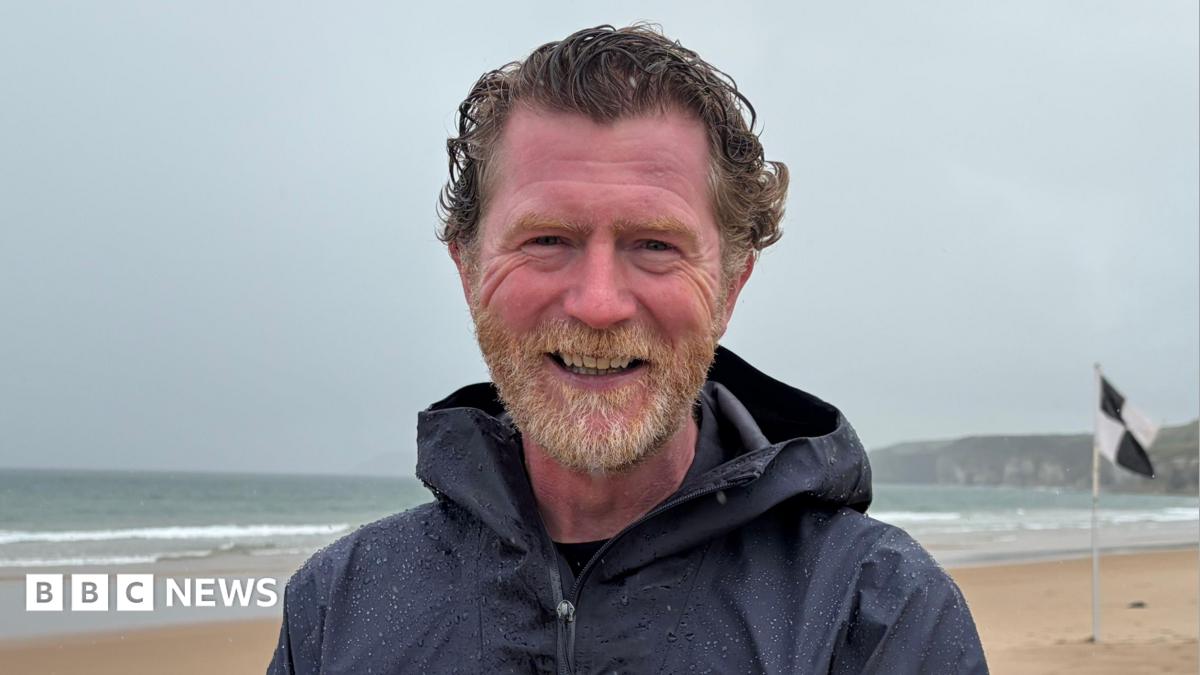
A Northern Ireland father and his two children were caught in a rip current at Whiterocks beach near Portrush and rescued in about 30 seconds by RNLI lifeguards. The 2022 rip current beach rescue underscores why swimming between red and yellow flags and using lifeguarded beaches can be lifesaving.
Andrew Todd, 54, an experienced sea kayaker from Helen's Bay in County Down, was swimming with his children Issy, then 18, and Zack, then 13, off Whiterocks beach near Portrush in County Antrim in summer 2022 when trouble struck. He had told them to stay between the red and yellow flags marking the RNLI-patrolled zone.
After a while, Todd noticed they were drifting down the beach and that his son was struggling. "Straight away I knew he was in a rip [current]," he told the BBC. A lifeguard later said the rip formed so quickly it seemed to come from nowhere.
Key Takeaways
- Andrew Todd and his two children were rescued from a rip current at Whiterocks beach in about 30 seconds.
- RNLI lifeguards used a rescue board and jet ski after a friend raised the alarm on the beach.
- Since launching in Northern Ireland, the RNLI lifeguard service has responded to 2,300 incidents and made 500 rescue efforts across the UK.
- Recent U.S. beach rescues similarly highlight how trained lifeguards prevent drownings in hazardous surf.
What happened during the Whiterocks rip current beach rescue?
Todd kept his children calm while a friend reached the beach and raised the alarm. A lifeguard with a rescue board was already in the water helping Issy, and a jet ski was launched for Andrew and Zack.
"It was all done and dusted in 30 seconds, it felt like a long time at the time but it was all very quick, very efficient," Todd said. He added that seeing the jet ski come out was a relief because he had watched similar rescues before.
Why do lifeguards matter so much on busy beaches?
The RNLI estimates that 95% of a lifeguard's role is prevention, not just dramatic pulls from the water. Freya Macfarlane, a Whiterocks lifeguard, said each day starts with assessing hazards, from offshore winds that can drag inflatables out to sea in seconds to changing tide and surf conditions.
Michael Thompson, RNLI regional lifeguard lead for Northern Ireland, urged visitors to pick lifeguarded beaches and ask guards about local risks such as rip currents and dangerous waves at Whiterocks. If caught in a rip, he advised staying calm, floating, and waving one hand for help.
Similar urgency played out in July 2026 at Seabright State Beach in Santa Cruz, where 16-year-old lifeguard Ryder Williams rescued a 10-year-old from pounding surf under a surf advisory, with fellow lifeguard Aaron Bohnen assisting. California State Parks said district lifeguards performed 34 rescues and more than 5,000 preventative contacts that weekend.
What should swimmers do before entering the water?
Macfarlane's advice is simple: check tide times and beach conditions, and choose an RNLI-lifeguarded beach. Thompson said preparing for a day in the water is one of the most important safety steps beachgoers can take.
In California, State Parks and local officials likewise urge the public never to attempt a rescue themselves, to call 911 if needed, and to stay within arm's length of children near the water. Advocates have also renewed a push to recognize open-water lifeguards as first responders after the Seabright rescue, noting retention and benefits challenges for the profession.
For more alerts and explainers in this hub, see BlasterPost's Fintech & Crypto Alerts coverage.