Republicans ask WNBA to protect Caitlin Clark from attacks
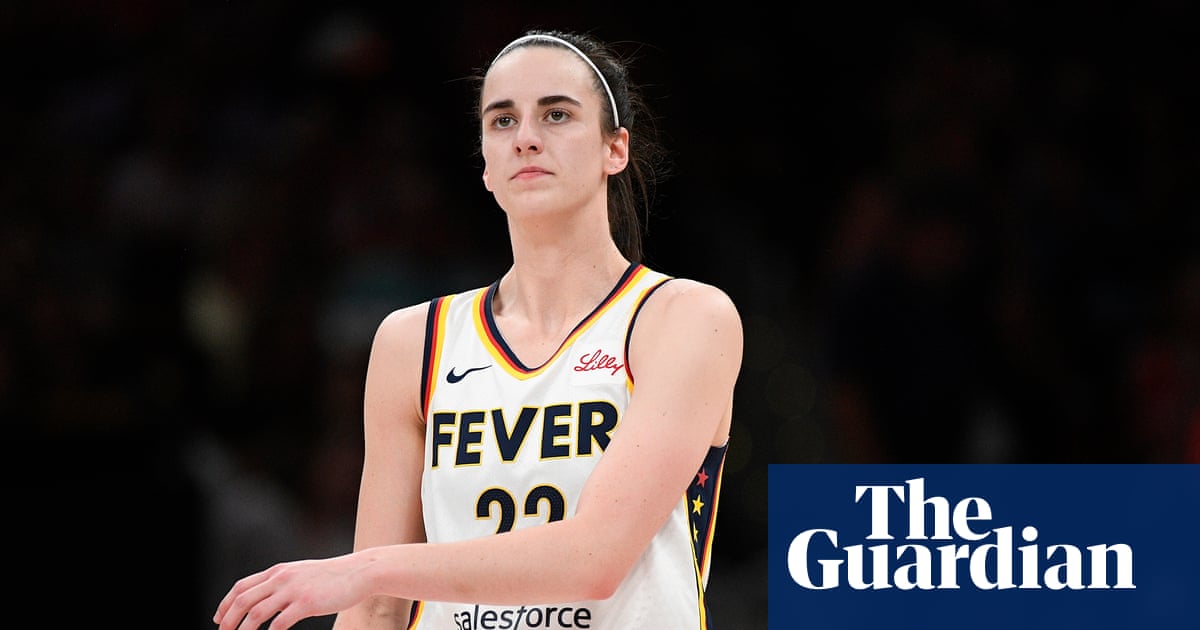
Eleven House Republicans, led by Rep. August Pfluger, asked WNBA Commissioner Cathy Engelbert to protect Caitlin Clark from repeated on-court violence and address reports that some fouls may be racially motivated. They want answers by July 24 and warned of possible federal civil-rights scrutiny.
The letter lands at a moment when Clark’s commercial pull has reshaped women’s basketball viewership. League officials, fans, and critics are now debating whether hard fouls reflect normal WNBA physicality or a pattern that demands stronger accountability.
Key Takeaways
- Rep. August Pfluger and 10 other GOP lawmakers sent a letter to WNBA Commissioner Cathy Engelbert demanding accountability for physical play against Caitlin Clark.
- Lawmakers cited hip-checks, an eye poke, and a June 24 throat contact incident involving Phoenix Mercury forward Alyssa Thomas, later upgraded to a flagrant foul with a one-game suspension.
- The letter raised the possibility that some attacks may be racially motivated and suggested DOJ, Labor Department, or EEOC involvement if a hostile work environment exists.
- Engelbert must respond by July 24 on review processes, player discipline, and protections against online harassment.
- Clark and the Indiana Fever said they were unaware of the letter; critics including MS NOW called the racial-motivation claims unsupported.
What did Republicans ask the WNBA to do?
On Wednesday, members of the House Republican Study Committee told Engelbert the league must take “accountability” for what they called “multiple attacks” against Clark. Pfluger, the committee chairman, described Clark as “the face of your league” and credited her with driving fan interest, higher television ratings, and new corporate sponsors.
The letter argued Clark has faced “unnecessary physical hostility and violence,” including being hip-checked, poked in the eye, and struck in the throat during games. Lawmakers said those incidents “go far beyond routine physical play” and claimed officiating has “too often failed” to punish overly aggressive acts.
They asked Engelbert to confirm, by July 24, how the WNBA reviews on-court violence, how it disciplines players, and what it does to shield athletes from online threats. Signatories included Reps. Victoria Spartz, Erin Houchin, and Marlin Stutzman of Indiana, along with Pete Sessions of Texas, Tim Burchett of Tennessee, and Mark Alford of Missouri.
Why does Caitlin Clark’s WNBA treatment matter beyond sports?
Clark’s rise is not only a basketball story—it is a revenue story. Republicans framed her as the player who turned casual viewers into WNBA customers and attracted sponsorship dollars the league had long chased. That economic weight is why a congressional letter about fouls can ripple through media, marketing, and investor conversations.
For audiences tracking wealth hacks and passive income, the Clark saga shows how star power converts into measurable business leverage. When lawmakers invoke ratings and sponsors while demanding player safety, they are acknowledging that one athlete’s brand now carries league-scale financial stakes.
Rep. Marlin Stutzman put it bluntly in a statement: “If it were not for Caitlin Clark the WNBA would still be irrelevant and possibly even defunct.” Whether or not fans agree, that framing explains why political pressure has followed the on-court debates.
What incident triggered the latest WNBA scrutiny?
Much of the current uproar traces to a June 24 Fever–Mercury game in Indianapolis. Phoenix forward Alyssa Thomas made contact with her fist near Clark’s throat while battling for a loose ball. Officials did not call a foul during live play.
The WNBA reviewed the play the next day, upgraded it to a flagrant foul 2, and suspended Thomas for one game while fining her. Thomas later told reporters the contact was a “complete accident” and said she had received harassment and threats online afterward.
Clark, for her part, told reporters that “harassment, hate, none of that is OK” and said that standard should apply to opponents, teammates, and coaches alike. The Indiana Fever and Clark said they had no contact with the Republican group and were unaware of the letter before it became public, according to ESPN.
Did lawmakers claim the fouls were racially motivated?
Yes—but they did not present new evidence in the letter itself. Republicans wrote they were “concerned by reports that attacks against Clark may be racially motivated” and warned that discrimination or retaliation creating a hostile work environment could violate federal civil rights law.
Pfluger posted on X that he was “putting the league on notice” about a potential “DOJ and EEOC crackdown.” The letter said lawmakers would support investigations by the Department of Justice, the Department of Labor, or the Equal Employment Opportunity Commission if misconduct is found.
The racial dimension has divided commentators. UConn coach Geno Auriemma told reporters the Clark debate had become polarized, with some fans treating her as proof that white players are targeted while Black players are denied endorsements. MS NOW columnist analysis called the lawmakers’ racial-motivation claim “baseless” and argued the WNBA has long been a physical league with many white stars who give and receive hard fouls.
How has the WNBA responded so far?
As of the letter’s release, the league had not issued a detailed public reply to Congress. What is on the record is prior discipline: the Thomas suspension is the kind of post-game review process Republicans question yet also cite as proof the league can act after the fact.
ESPN noted the WNBA has historically used fines and suspensions to punish dangerous contact, even when referees miss calls in real time. That tension—live officiating versus league office review—sits at the center of the July 24 deadline.
The Guardian reported the episode as the latest escalation in a season-long argument over whether Clark is officiated fairly or simply plays through the league’s trademark physical style.
What happens next for the WNBA and Clark?
Commissioner Engelbert faces a July 24 deadline to answer three written questions about violence reviews, accountability, and online safety. How she responds could shape not only league policy but also the political narrative heading into the WNBA’s most commercially consequential stretch of the Clark era.
Republicans positioned the letter as protecting women’s sports and female athletes. Burchett accused the league of “indifference, or active disregard, for civil rights protections.” Critics counter that Congress is intervening in routine basketball contact to score culture-war points.
For Clark, the immediate focus remains on the court. For the WNBA, the stakes are larger: preserving trust with players, sponsors, and the new audience Clark helped deliver—while deciding how much of Washington’s demand letter becomes policy, and how much stays political theater.