Reading and Leeds drop BBC Introducing for Canopy stage
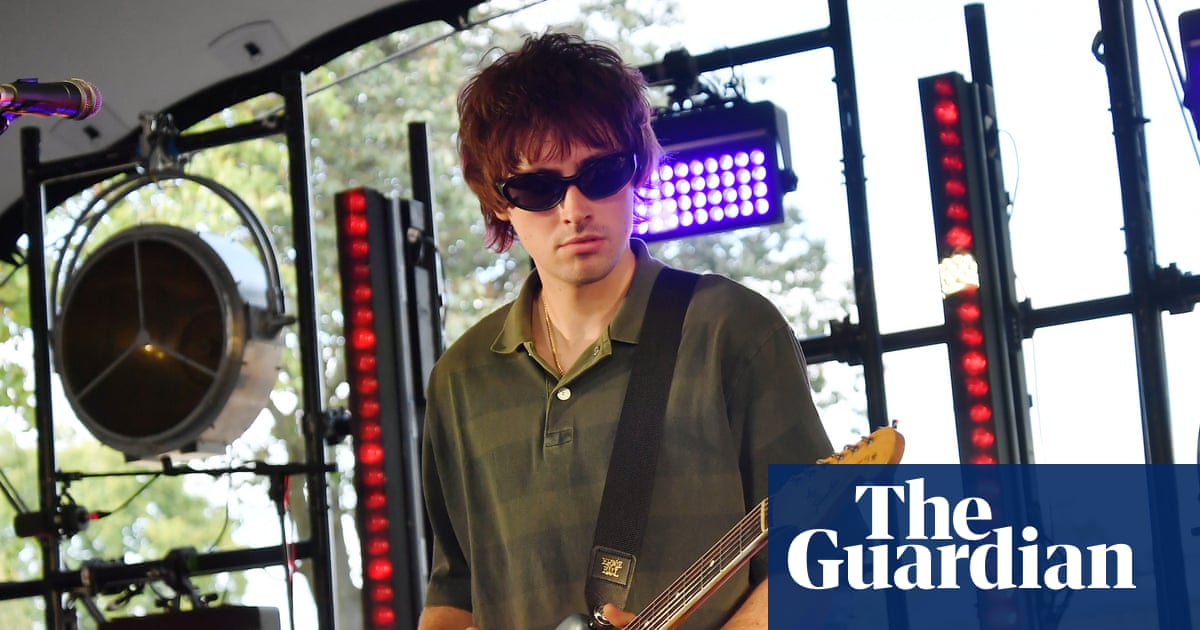
Reading festival Leeds and its twin site have scrapped the BBC Introducing stage after nearly 20 years, replacing it with the Canopy stage—a platform critics call the "nepo baby stage" for acts with famous family ties like Violet Grohl and Gene Gallagher. For DIY artists, it removes a rare major-festival slot that once launched Ed Sheeran and Sam Fender. BBC Introducing continues through regional radio and November live events across the UK, but the flagship grassroots pipeline to Reading and Leeds is gone for 2026.
Key Takeaways
- Festival Republic removed the BBC Introducing stage from Reading and Leeds 2026 and launched the Canopy stage instead.
- Many Canopy acts have high-profile family or industry connections, prompting the "nepo baby stage" nickname.
- BBC Introducing continues via regional radio, the Uploader, and November 2026 live events in 10 UK cities.
- Industry figures say the change removes the last major grassroots route onto a flagship UK festival bill.
- DIY musicians can still access panels, feedback sessions, and showcases through BBC Introducing LIVE in Leeds and Manchester.
What changed at Reading and Leeds this year?
For almost 20 years, a BBC Introducing stage was a core part of Reading and Leeds. The Guardian reports it was scrapped last month, with Festival Republic replacing it with the Canopy stage, billed as a "home for new and breaking acts."
The BBC Introducing scheme combines regional and national radio shows with festival stages that platform music submitted by unsigned artists. Regional DJs suggest local acts for festival slots, with final decisions made by a wider BBC team.
Festival Republic told the Guardian the change offers greater opportunity: "Previously, only artists who had been selected by the BBC were qualified to play the Introducing Stage – now, we are able to open up this important platform to a much wider pool of emerging talent and book any new music artist for the stage."
Festival Republic did not respond to detailed questions about why it pulled the plug while the BBC was already planning its 2026 lineup. In a general statement, it said booking is "open to emerging artists from all backgrounds and at different stages of development."
Why are fans calling it the 'nepo baby stage'?
Despite Festival Republic's claim of a wider talent pool, fans have highlighted connections behind many Canopy bookings. Acts include Violet Grohl (daughter of Dave Grohl), Cruz Beckham (son of Victoria and David Beckham), and Villanelle frontman Gene Gallagher (son of Liam Gallagher).
The boyband December 10 are already signed to a label after forming on Simon Cowell's Netflix series The Next Act. That lineup has led some to nickname the Canopy "the nepo baby stage" and prompted coverage in Private Eye.
Music industry commentator the Secret DJ decried "nepotism and the rising use of famous names over new talent [that] is rapidly destroying the arts" in an Instagram post cited by the Guardian. BBC Introducing editor Kelly Betts said programming decisions for the stage are made by festival organisers, not the BBC.
Where does this leave DIY and unsigned artists?
The loss hits at a difficult moment. With Glastonbury having a fallow year in 2026—and with it their BBC Introducing stage—it is an extra blow for young artists seeking major festival exposure.
Jess Iszatt, who hosts BBC Radio 1's Introducing show, told the Guardian: "Reading and Leeds is a big moment in our calendar. Because it's got such a young audience, it's a really important one, and it means there's less opportunity for the artists that we share each week on the show. It's really sad and it feels like the end of an era."
Juliette Jackson of the Big Moon, who played the Introducing stage in 2015, called it "a really big deal to play that as a new band with no money." The Guardian notes that at least 70% of this year's Reading and Leeds acts received early career support from BBC Introducing, including alumni like Ed Sheeran, Charli xcx, and Sam Fender.
For musicians building a career without label backing, losing that slot raises questions about turning creative work into sustainable income. It was one of the few major UK events with a dedicated unsigned pipeline.
Is BBC Introducing finished?
No. The Guardian reports BBC Introducing has announced a full month of live events in 10 cities in November, has recently expanded into the US, and continues to host stages at other festivals.
According to The Guardian, BBC Introducing LIVE returns this autumn with workshops, panels, and networking for grassroots artists. The Manc reports four showcases in Leeds on Saturday 28 November at The Wardrobe, Belgrave Music Hall, and Oporto.
An invite-only Songwriting Camp will run in Manchester. In Sunderland, The Fire Station hosts a takeover on Friday 6 November with panels, open mic sessions, and an industry feedback centre, per the BBC. Tickets cost £18 (£15 plus a £3 booking fee). Gateshead and Liverpool are also on the schedule.
Kelly Betts said Introducing LIVE will return "for our biggest year yet." Since its inception, BBC Introducing has championed unsigned musicians through the Uploader, 23 local radio shows, and six national shows on Radio 1, 1Xtra, Asian Network, and 6 Music.
What do industry veterans say about the shift?
Jason Carter, who founded BBC Introducing in 2007, told the Guardian he was "disappointed" but "can see both sides," noting "there's a lot more ways today to access new music that the festival probably wants the opportunity to feed off."
Ex-presenter Tom Robinson said "the beauty of BBC introducing was that you needed no inside access." He argues grassroots support matters more now: "At a time when we're getting shat on from a great height by multinational streaming giants, I think the grassroots is the future."
Iszatt contrasted the booking models: "I do know how we book ours. And that would have been committing to supporting artists regardless of their means." For DIY artists, the path forward runs through radio uploads, career events, and regional showcases—not the Canopy stage at reading festival leeds this summer.