Queen Elizabeth hid coronation anointing to preserve its mystery
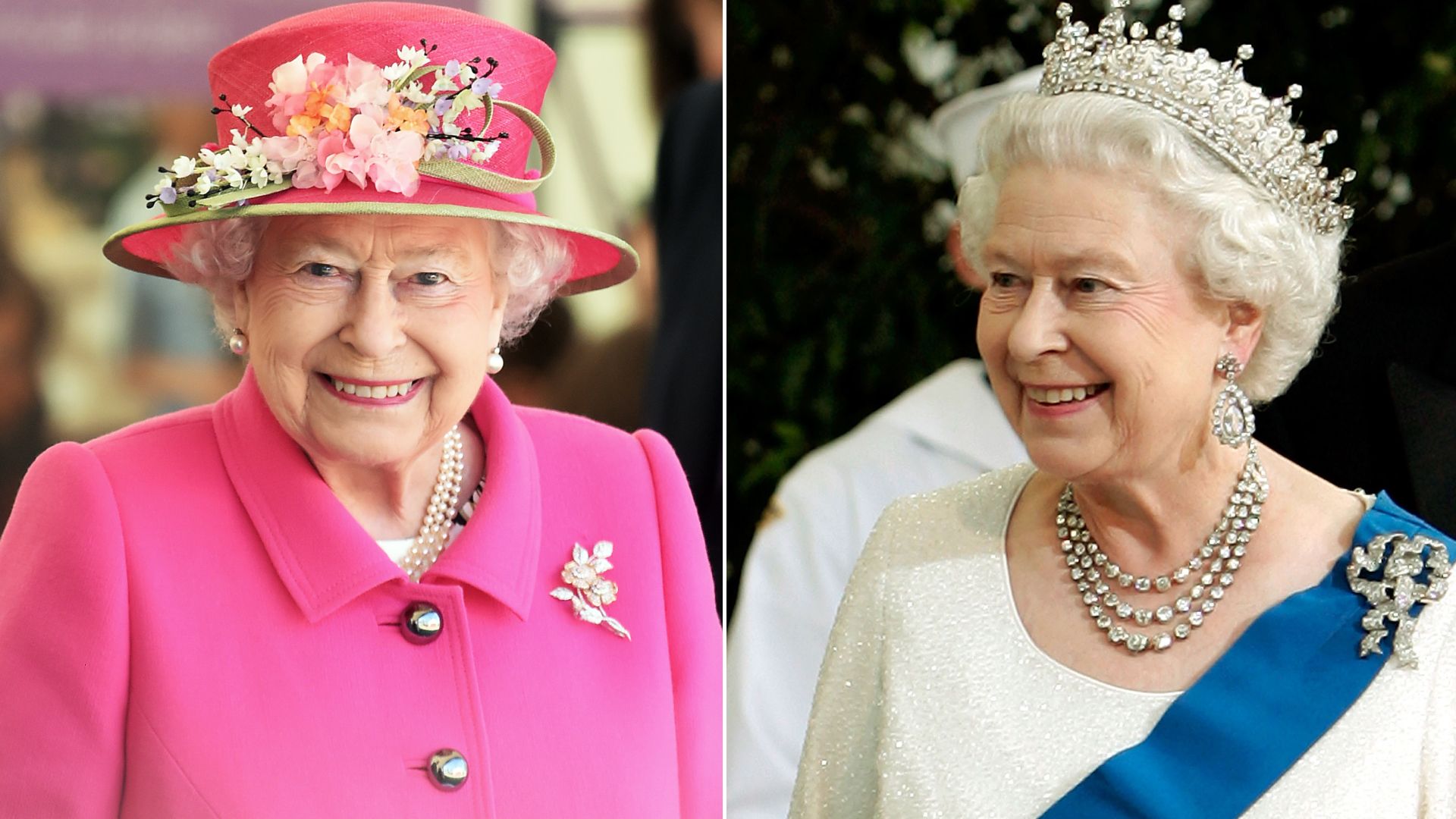
Queen Elizabeth II deliberately kept the sacred anointing ceremony hidden from television cameras during her 1953 coronation, according to royal historian George William Cullen Gross. Four Knights of the Garter shielded the monarch under a gold canopy so the deeply religious ritual—comparing its sanctity to baptism—would remain private and preserve centuries-old mystery.
When Queen Elizabeth II was crowned in 1953, millions watched history unfold on television. Yet one of the ceremony's most sacred moments never appeared on screen. A new account from historian George William Cullen Gross reveals why the late monarch insisted on shielding the anointing from public view.
Key Takeaways
- Queen Elizabeth II blocked TV cameras from filming the anointing at her 1953 coronation.
- Four Knights of the Garter held a gold canopy to hide the ceremony from view.
- Royal historian George William Cullen Gross details the decision in his book Crown and People.
- The ritual uses holy oil from a 1661 gold Ampulla and a 12th-century Coronation Spoon.
- Elizabeth stripped off robes and jewelry during anointing, surrendering all symbols of status.
Why Was Queen Elizabeth's Anointing Hidden From Cameras?
In his book Crown and People: British Coronations and the Shaping of National Identity 973–2023, Gross explains the monarch's reasoning. "In a similar vein to the religiosity of baptism, the ceremony of anointing was hidden from television cameras during the 1953 coronation of Queen Elizabeth II to preserve the mystery surrounding it," he writes.
The decision reflected Elizabeth's broader commitment to royal tradition. While much of the coronation was broadcast to a global audience for the first time, she drew a deliberate line at this moment of spiritual consecration.
What Happens During the Royal Anointing Ceremony?
Gross describes a ritual stripped of pageantry. "During the act of Anointing, the monarch disrobes from their crimson robes and takes off any jewelry, giving up all symbols of their status," he notes. Four Knights of the Garter then held "the canopy of gold over and around the monarch to shield the act from view."
The Archbishop receives the Ampulla—a solid gold, eagle-shaped flask containing special holy oil or chrism. Using a Coronation Spoon of 12th-century origin, the Archbishop anoints the monarch on the head, hands, and breast or chest. The accompanying words have remained largely unchanged since the 17th century.
How Old Are the Coronation Anointing Traditions?
Gross emphasizes that multiple aspects of the ceremony stretch back centuries. The Ampulla itself dates to the remade crown jewels prepared for the coronation of Charles II in 1661. The Coronation Spoon predates even that, originating in the 12th century.
For Elizabeth, preserving these ancient rites was paramount. To her, royal tradition was "tantamount," and that included protecting aspects of the coronation process from full public exposure—even amid a landmark televised event.
Why Does This Hidden Royal Tradition Still Fascinate?
The anointing represents one of the few coronation elements Elizabeth successfully kept off camera—a choice that continues to intrigue historians and royal watchers. For readers drawn to secrets buried in plain sight, stories like this sit alongside other enduring puzzles explored in our True Crime & Unsolved Mysteries coverage.
Gross's account, reported by Marie Claire, offers a rare glimpse into how Elizabeth balanced modern media with centuries of sacred custom. Crown and People: British Coronations and the Shaping of National Identity 973–2023 is available now.