Public charge rule revival draws NYC immigrant backlash
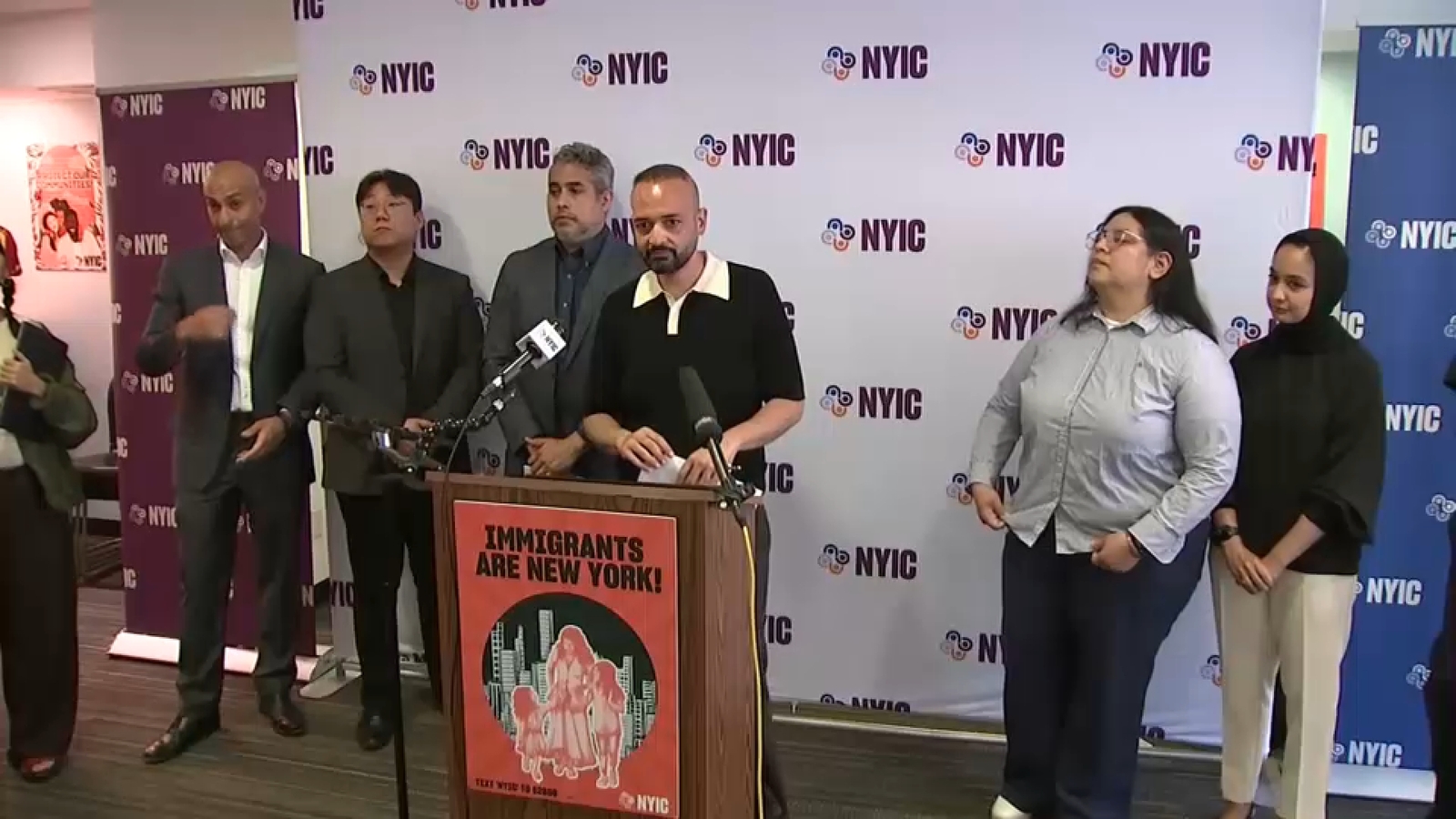
The Trump administration is reviving the public charge rule, allowing immigration officers to weigh Medicaid, SNAP food aid, and housing help when deciding green card cases. New York City immigrant advocates warn families may abandon legal benefits out of fear, with the policy set to become operational in September 2026.
Key Takeaways
- DHS is restoring broader public charge discretion after reversing a narrower 2022 Biden-era rule.
- Officers may consider Medicaid, SNAP, housing assistance, plus age, health, education, and finances.
- NYC advocates say mixed-status families face painful choices between benefits and green cards.
- USCIS will apply the framework after 60 days, with operations expected in September 2026.
- DHS estimated about 588,000 adjustment applicants a year could face public charge review.
What did the Trump administration change?
The White House finalized a rule that reverses the 2022 Biden-era approach, which limited public charge reviews mainly to cash welfare and long-term institutional care paid by the federal government. Under the new policy, U.S. Citizenship and Immigration Services officers regain broader case-by-case discretion.
According to CBS News, those reviews can weigh means-tested benefits such as food stamps, Medicaid, and housing assistance, along with an applicant's age, health, family status, assets, education, and skills. The Hill reported the final rule provides no hard limits on which public benefits may be considered.
Why are NYC immigrant advocates condemning the policy?
On Monday in Midtown Manhattan, a coalition of nonprofits condemned the revival. Randy Ali of the Arab American Family Support Center said the rule will bring "devastating effects on health and economic stability." Javier Ramirez Baron of Cabrini Immigrant Services of NYC called it "another layer of pain and confusion."
Carlos Arnao of the New York Immigration Coalition warned of more emergency care, hungry schoolchildren, and shelter entries if families drop lifelines. Advocates also argue case-by-case judgment could inject personal bias, and ABC7 New York reported the rule does not clearly name every program that could count as a public charge.
Who could be affected by the public charge rule?
The change targets noncitizens applying to adjust status inside the U.S., plus many seeking admission, with long-standing exemptions for certain refugees, asylees, and humanitarian categories. DHS previously estimated roughly 588,000 adjustment-of-status applicants each year would face review, and warned of a chilling effect that could lead about 950,000 people in immigrant households to forgo benefits.
USCIS officials told CBS that benefits received by family members are not treated as the applicant's own, though officers may still consider them when assessing household finances. For more coverage across related policy and innovation beats, see Future Tech & AI Wonders on BlasterPost.
When does the public charge rule take effect?
USCIS will not begin applying the new framework for 60 days after the final rule, giving the agency time to update forms and guidance. ABC7 New York reported the policy is expected to take effect on September 18. DHS framed the move as restoring self-reliance; critics say fear alone may reshape who seeks food, health, and housing help.