Moygashel bonfire mosque effigy condemned across Northern Ireland
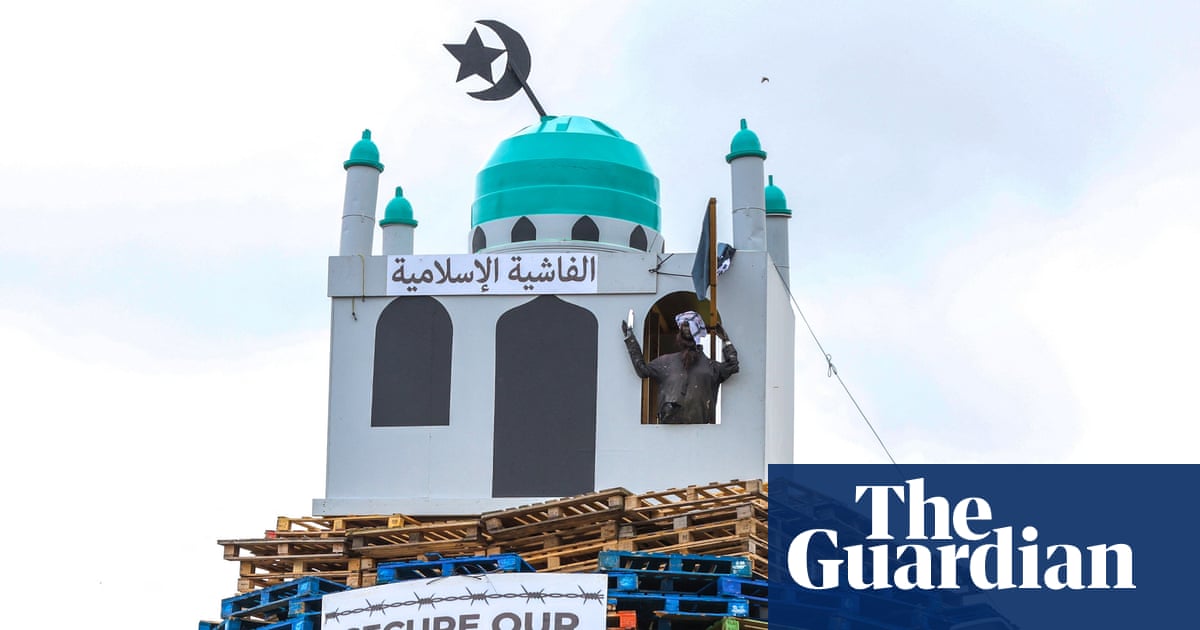
A replica mosque effigy atop a loyalist bonfire in Moygashel, County Tyrone, has been condemned as a vile attempt to stir up anti-Muslim hatred. The Police Service of Northern Ireland tried to remove the display, but the pyre was lit early on Thursday. A 56-year-old man was charged with incitement to hatred.
The incident has drawn condemnation across Northern Ireland and the Republic of Ireland, raising fresh questions about hate speech, policing, and loyalist Eleventh Night traditions ahead of the Orange Order's 12 July parades. Reporting from The Guardian, the BBC, and local court proceedings paint a picture of a display that authorities and rights groups say crossed a clear line from political protest into intimidation.
Key Takeaways
- A mosque replica with anti-Muslim placards was placed on a 40-metre bonfire in Moygashel on Wednesday and burned on Thursday, a day earlier than planned.
- The Police Service of Northern Ireland said its operation to remove the hate display was at an advanced stage when the bonfire was lit prematurely.
- Brian Conrad Neill, 56, from Dungannon, was charged with incitement to hatred and remanded in custody after a judge refused bail.
- Amnesty International, Faith Matters, and politicians across party lines condemned the effigy as vile, racist, and dangerous.
- Loyalist activist Jamie Bryson, present when the pyre was lit, said the display was not about Muslim people but about disagreeing with ideology.
What happened on the Moygashel bonfire?
Bonfires are lit annually in some unionist areas across Northern Ireland in July to usher in the Twelfth of July, the main date in the parading season. In the village of Moygashel, County Tyrone, organisers built a towering pyre roughly 40 metres high that has drawn controversy in previous years.
On Wednesday, a replica mosque was placed on top of the structure. Placards beneath the display read "secure our borders" and "end the threat of radical Islam," according to reporting from The Guardian. The bonfire had been scheduled to be lit on Friday night as part of wider loyalist commemorations.
Instead, it was set alight on Thursday evening. Loyalist activist Jamie Bryson, who was present when the Moygashel bonfire was lit, told BBC Northern Ireland he had "no doubt" there would have been violent clashes between police officers and locals had the bonfire not been lit early. Bryson also said nobody in the unionist or loyalist community "should be targeting anybody" and that he wanted to reassure Muslim people that the display was "not about them as people."
The Moygashel bonfire has featured other controversial displays in the past, a point raised repeatedly as officials weighed how to respond. For readers tracking how local unrest and community tensions ripple through wider civic life, our Wealth Hacks & Passive Income coverage follows stories that affect everyday stability and public trust.
Why did the Police Service of Northern Ireland intervene?
Authorities moved quickly once images of the mosque replica circulated. The Police Service of Northern Ireland said it had launched a "significant and complex policing operation" to remove what it described as a "hate display" and secure offending material.
Police said the operation was at an "advanced stage" when the bonfire was lit, preventing officers from removing the replica before flames engulfed it. The display has been described by critics as a "horrible racist display" and as "sowing hate," language that reflects the seriousness with which many viewed the structure.
On Thursday, police arrested a 56-year-old man on suspicion of displaying threatening, abusive or insulting material that was intended to stir up hatred. He remained in custody as political leaders on both sides of the border urged swift action. Amnesty International's Northern Ireland director, Patrick Corrigan, called the effigy a "vile display" and a "blatant attempt to stir up anti-Muslim hatred and intimidate local families," urging police to investigate, identify those responsible, and remove the material before it could incite further hatred and violence.
Faith Matters, a nonprofit group, said that to burn a replica mosque was "a chilling and dangerous message" to Muslim communities in Northern Ireland and beyond. That framing underscores why the Police Service of Northern Ireland treated the episode as more than a routine bonfire dispute.
What happened in court after the mosque replica was charged?
Brian Conrad Neill, 56, from Hollow Mills, New Mills, Dungannon, appeared at Dungannon Magistrates' Court on Friday charged with incitement to hatred in connection with the replica mosque. Standing in the dock, he spoke only to confirm his name and the charges against him.
The court heard that on 8 July, police patrolling near the bonfire site observed crowds and a number of males at the top of the pyre, where structures were being added. Following that, police stopped a vehicle and identified Neill.
Neill's defence lawyer told the court that his client claimed he had climbed down the bonfire before the top of the signs were removed. During interview, Neill said he had arrived at the bonfire with a friend and was approached by two masked men who asked him to fix the structure at the top because of his training as a tree surgeon.
A detective opposed bail, telling the court that Neill was likely to commit further offences and was "very influential in the area" and "influential within an organised group of people, likely to be influenced to commit public disorder." The judge said Neill was asking the court to believe he had simply happened upon the incident. He described the Moygashel bonfire as "notorious" and said that if any reasonable person were asked to help with it, they would "recoil in horror."
The judge noted that in recent years the bonfire had featured displays including a police car and a small boat full of immigrants. Neill was remanded in custody and is due to appear in court again on Wednesday 5 August.
How have political leaders and rights groups responded?
Condemnation came from across the political spectrum. Colm Gildernew, the Sinn Féin Stormont assembly member for Fermanagh and South Tyrone, called the display a hate crime and said there was no place in society for racism. The Democratic Unionist Party said bonfires were part of Northern Ireland's culture, but that placing a replica mosque on top was not part of the July celebrations and should not take place.
Politicians urged the Police Service of Northern Ireland to remove the effigy before it was burned. The widespread reaction reflects a broader unease about how bonfires, long seen by some as cultural expression, can also carry messages that neighbours experience as threats.
Rights groups and elected representatives aligned on a core message: displays intended to intimidate religious minorities undermine community safety and cannot be normalised as tradition. As Northern Ireland moves through the Twelfth of July period, the Moygashel episode is likely to remain a reference point in discussions about policing, hate crime law, and the limits of expression at communal celebrations.