Poland marks August remembrance of the Warsaw Uprising
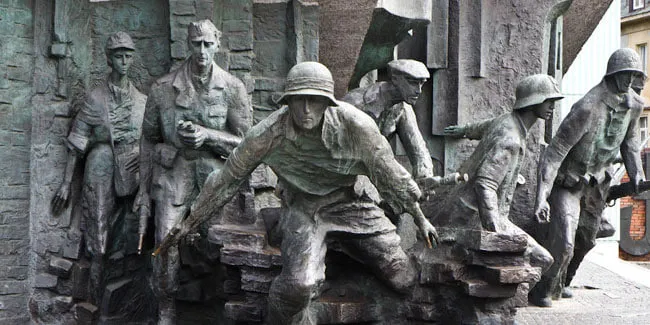
On August 1, 2026, Poland observes the National Day of Remembrance of the Warsaw Uprising, marking the 1944 revolt that began at 5:00 p.m. against Nazi occupation. Across the country, people honor Home Army fighters, civilians, and the fallen who struggled for Poland’s freedom in one of World War II’s most tragic chapters.
The commemorative day recalls how units of the Home Army rose against German occupation forces in Warsaw on August 1, 1944—an opening moment known as “Hour W” (Godzina W). What was meant to last only several days until Soviet troops arrived instead stretched across 63 days of fighting.
Key Takeaways
- Poland marks the National Day of Remembrance of the Warsaw Uprising each August 1.
- The 1944 uprising began at 5:00 p.m. and lasted 63 days, through October 2.
- National remembrance was officially established in 2009; sirens sound at 5:00 p.m. in Warsaw.
- Tens of thousands of insurgents and civilians died, and much of the capital was destroyed.
What happened during the Warsaw Uprising?
According to UA.NEWS, the uprising ran from August 1 to October 2, 1944. Insurgents fought with heroic resistance but could not hold the city. After the revolt was crushed, German forces systematically destroyed historic buildings, neighborhoods, and cultural landmarks.
Various estimates say tens of thousands of insurgents and civilians died. A significant part of Warsaw was almost completely destroyed. The “Kotwica” (“Anchor”) emblem—combining the letters P and W for “Polska Walcząca,” or “Fighting Poland”—became a lasting symbol of the struggle.
Adults were not alone in the fight. Thousands of young people, teenagers, and children also took part, serving as couriers, medics, and scouts during the 63-day battle for the capital.
How does Poland honor the uprising each August?
The National Day of Remembrance of the Warsaw Uprising was officially established in 2009. Main events unfold in Warsaw, with wreath-laying ceremonies, religious services, exhibitions, and historical reenactments.
The most symbolic moment arrives at 5:00 p.m., when sirens sound across the capital. Cars stop, public transport stands still, and people on the streets bow their heads for a minute of silence. Commemorative marches and historical events draw veterans, military personnel, and young people each year.
The Warsaw Uprising Museum remains central to preserving that memory and ranks among Poland’s most visited historical museums. Coverage of how nations archive and share history also appears in BlasterPost’s Future Tech & AI Wonders hub.
Why does this August remembrance still matter?
For Poles, August 1 is a day of profound national remembrance. It honors uprising participants, Warsaw’s civilians, and all who died fighting for Poland’s freedom. The observance symbolizes courage, self-sacrifice, and the nation’s striving for independence even under tragic circumstances.
Each August, Poles remember the war’s victims and pass the story of that struggle to future generations—keeping “Hour W” and the uprising’s legacy alive long after 1944.