Perseids could deliver up to 100 shooting stars per hour
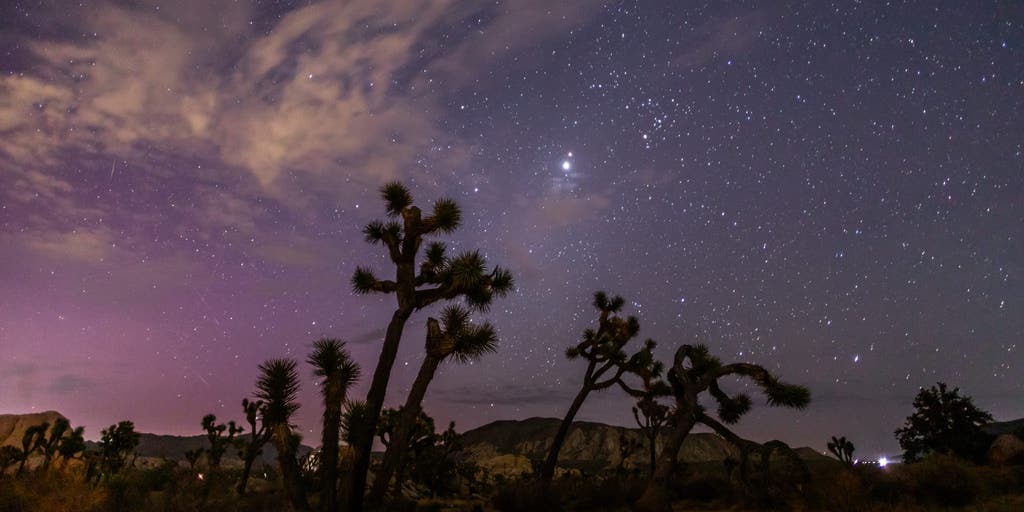
The Perseids are active now through Aug. 24, peaking overnight Aug. 12-13, when skywatchers under dark skies could see up to 100 shooting stars per hour. A new moon should leave nights darker than usual, boosting views of the annual shower caused by Comet Swift-Tuttle debris.
Key Takeaways
- The Perseids run from July 17 to Aug. 24, with the peak overnight on Aug. 12-13.
- Under clear, dark skies, observers may see up to 100 meteors per hour, plus bright fireballs.
- A new moon means darker nights, making this one of the best Perseids displays in years.
- Best viewing is after midnight through predawn, far from city lights, with no gear required.
Summer's most popular meteor shower is underway as Earth passes through debris left by Comet 109P/Swift-Tuttle. The Perseids are known for bright, fast-moving meteors and occasional fireballs. For more viral skywatching and breaking updates, follow Celebrity Breaking News on BlasterPost.
When do the Perseids peak in 2026?
The shower is active from July 17 through Aug. 24. The strongest show is expected during the peak from Aug. 12 into Aug. 13.
According to Space.com, citing the American Meteor Society, up to 100 shooting stars may streak across the sky each hour at peak. The greatest numbers often arrive in the predawn hours of Aug. 13, when Earth hits the densest part of the debris stream.
How can you see the Perseids?
Meteors appear to radiate from the constellation Perseus but can streak across much of the night sky. Find a dark site with a wide, open view and give your eyes 15 to 30 minutes to adapt. Skip the phone screen while you wait.
In the northern hemisphere, midnight to about an hour before sunrise is typically best. U.S. viewers may spot meteors from about 10 p.m., though rates climb before dawn. You do not need binoculars or a telescope—just look up.
Why are this year's Perseids special?
Peak coincides with a new moon, so moonlight will not wash out fainter meteors. FOX Weather notes that makes the 2026 display one of the best in years.
The peak also comes just hours after a total solar eclipse visible from parts of Greenland, Iceland and Spain, with a partial eclipse across portions of Europe and parts of North America, including some areas in the U.S. and Canada. Clear skies remain the final ingredient for a memorable Perseids night.