Perseid meteor shower is here: How to see the 2026 peak
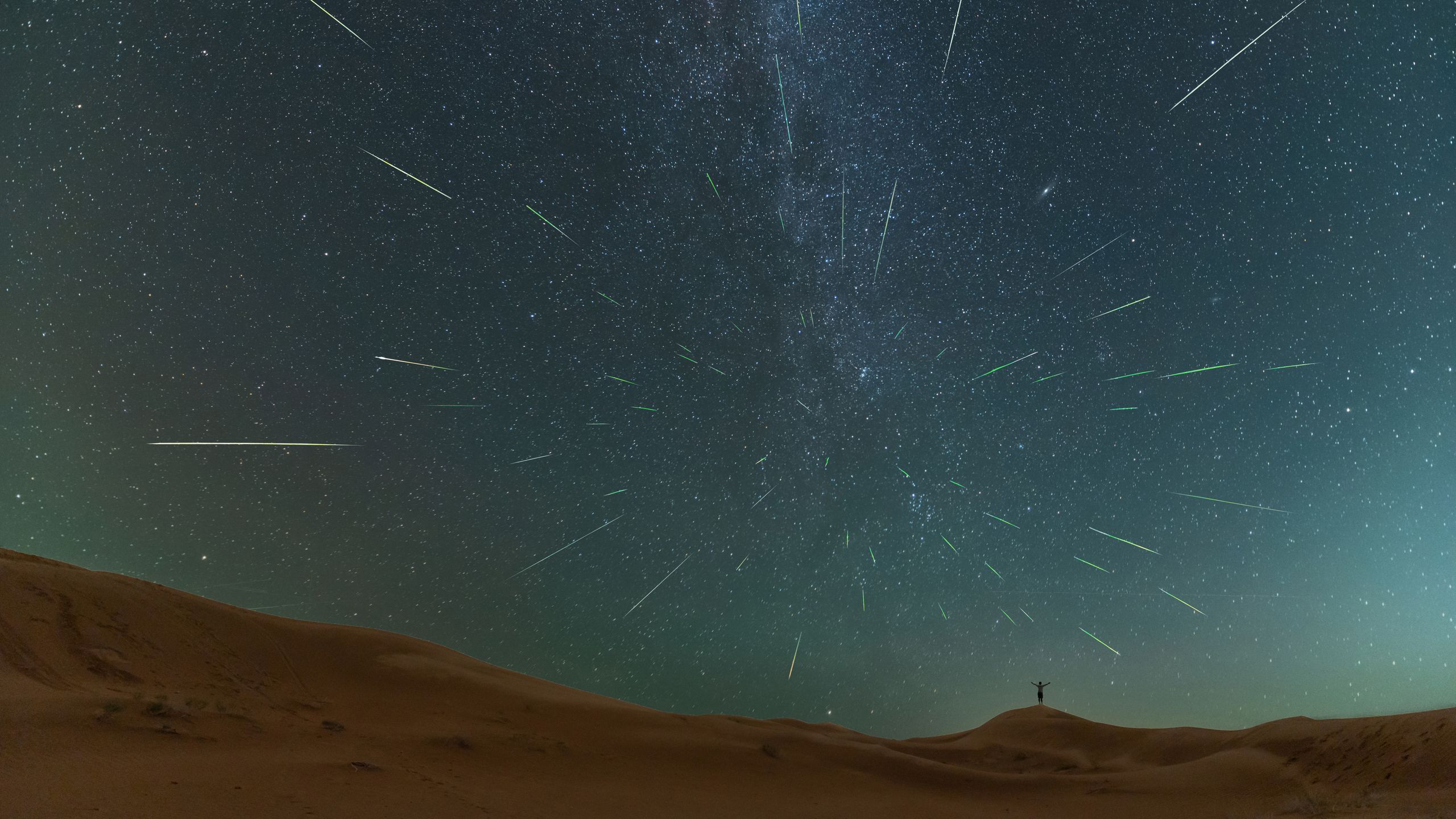
The Perseid meteor shower is active now through late August 2026, peaking overnight on Aug. 12-13 under dark new-moon skies. Earth is sweeping through debris from comet Swift-Tuttle, and at peak you may see up to 100 shooting stars an hour—or as many as 150, depending on the estimate. For the best view, get away from city lights after midnight.
Key Takeaways
- The 2026 Perseids run from July 17 to Aug. 24 and peak overnight on Aug. 12-13.
- New-moon darkness at peak should favor fainter meteors after last year's bright moonlight.
- Expect up to about 100 meteors per hour (American Meteor Society) or as many as 150 in dense stream estimates.
- Face the constellation Perseus; rates climb from late evening into the pre-dawn hours.
- Skip the telescope—dark, clear skies and 15–20 minutes of night vision matter most.
Skywatchers across the US and UK are getting a fresh summer spectacle as debris from comet 109P/Swift-Tuttle lights up the night. For more viral sky and culture buzz, browse our Celebrity Breaking News desk.
When does the Perseid meteor shower peak in 2026?
According to Space.com, the shower is active from mid-July and reaches its climax overnight on Aug. 12-13. The BBC Weather team places the full window from July 17 to Aug. 24.
That peak lines up with a new moon, so moonlight should stay out of the way—unlike last year, when a bright moon washed out all but the brightest streaks. Space.com also notes the peak overlaps a total solar eclipse on Aug. 12-13, though spotting a Perseid during totality would take rare luck in the path of darkness.
How can you see the best Perseid shooting stars?
Meteors appear to radiate from near the star Eta Persei in the constellation Perseus. After dark, find Perseus low in the northwestern sky, then look roughly 40 degrees above it for longer trails, Space.com advises.
US viewers can start watching from about 10 p.m., but the richest rates usually arrive after midnight and before dawn, when the radiant climbs highest. BBC guidance for the northern hemisphere is similar: midnight to about an hour before sunrise, weather permitting.
Head inland or away from city glow. Give your eyes 15 to 20 minutes to adapt. You do not need binoculars or a telescope—just a wide, unobstructed view of dark, clear sky.
Why are the Perseids famous for fireballs?
Dust grains vaporize as they hit Earth's atmosphere, painting brief streaks. Larger chunks can produce vivid green fireballs that briefly brighten the night. NASA-linked speeds cited by Space.com reach about 37 miles per second (59 km/s).
Early- and late-shower meteors are often the oldest debris nudged off the comet's main path, American Meteor Society observer Robert Lunsford told Space.com. The densest stream—and the highest counts—comes in the predawn hours of Aug. 13.
UK weekend openers may favor inland and western areas with drier, clearer spells, while North Sea cloud can cut eastern and Scottish chances, BBC Weather reports. Wherever you are, check local cloud cover before you set an alarm for the peak.