Pentagon Cuba military options include 101st air assault
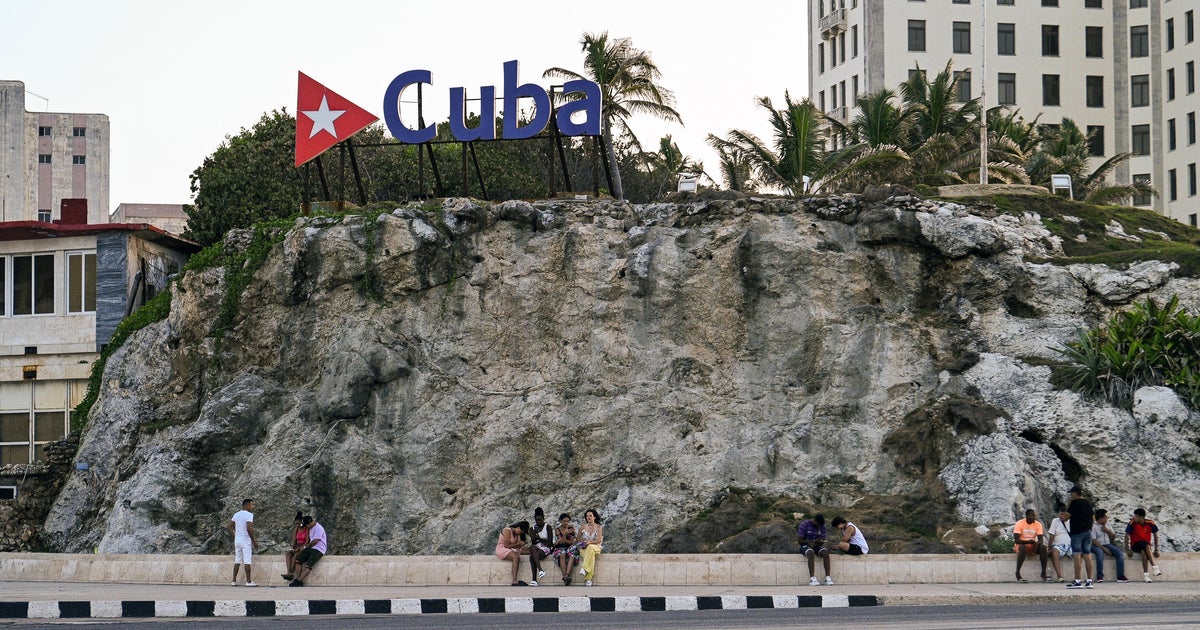
Senior U.S. defense officials have reviewed Pentagon Cuba military options that include a large-scale Army air assault by the 101st Airborne Division, CBS News reports. Officials stress no decision has been made, and near-term action is unlikely while U.S. forces remain focused on Iran.
Key Takeaways
- CBS News says planners reviewed options including a 101st Airborne air assault with thousands of troops.
- A late-month concept-of-operations briefing covered early-stage contingencies, not an approved attack.
- Officials say a Cuba focus is unlikely soon because aircraft and intel assets are tied to Iran operations.
- Crypto Briefing argues traders should watch Bitcoin-gold correlation and stablecoin flows as risk signals.
According to CBS News, senior Pentagon officials have quietly examined possible action against Cuba as the U.S.-Iran war restarted after a weeks-long ceasefire collapsed. Multiple U.S. officials familiar with the discussions said the planning includes an Army-led air assault involving thousands of soldiers.
The Miami Herald, citing the same reporting, said options for strikes against Cuba include an air assault spearheaded by the Fort Campbell-based 101st Airborne Division. Officials emphasized the briefings do not mean President Donald Trump or the Pentagon has ordered an operation.
What are the Pentagon Cuba military options under review?
Late last month, the U.S. military held a concept-of-operations briefing on early-stage planning for select missions that could be carried out, officials told CBS News. Such briefings are routinely developed by the Defense Department and combatant commands.
They typically examine mission objectives, troop numbers, sequencing, logistics, and risks. One option discussed was an air assault by the 101st Airborne Division, described by officials as the only unit trained for that task.
CBS News reported in May that U.S. intelligence has assessed how Cuba might respond to possible U.S. military action. The Trump administration has accused Havana of deepening ties with Russia, China, and Iran. The intelligence community’s 2026 annual threat assessment largely casts Cuba as an enabling environment for larger rivals, not an independent strategic threat.
Why is near-term military action against Cuba unlikely?
Officials said aircraft, intelligence assets, and other resources have already been shifted to the Middle East to sustain operations against Iran. Given the restart of those operations, they told CBS News a renewed focus on Cuba is unlikely at the moment.
The Miami Herald noted that military experts have previously said the Pentagon routinely drafts plans so a president has a range of options to pursue foreign policy goals. Reporting on the briefings underscores that contingency planning is not the same as an imminent attack.
Why should crypto markets pay attention to this story?
For readers tracking Fintech & Crypto Alerts, Crypto Briefing says the contingency talks add geopolitical risk even without a green light for action. The outlet notes no final decision has been made by President Trump or the Pentagon.
Crypto Briefing suggests watching whether Bitcoin trades like “digital gold” or as a risk-on asset during escalation headlines, and monitoring stablecoin inflows into USDT and USDC. A key market signal, it argues, is whether planning stays on paper or moves toward active staging by the 101st Airborne.
Bottom line: Pentagon Cuba military options are under early review, including a potential large-scale air assault, but officials say that is contingency work—not an imminent invasion—while U.S. forces remain heavily committed elsewhere.