Patients evacuated after Malton hospital fire sends smoke skyward
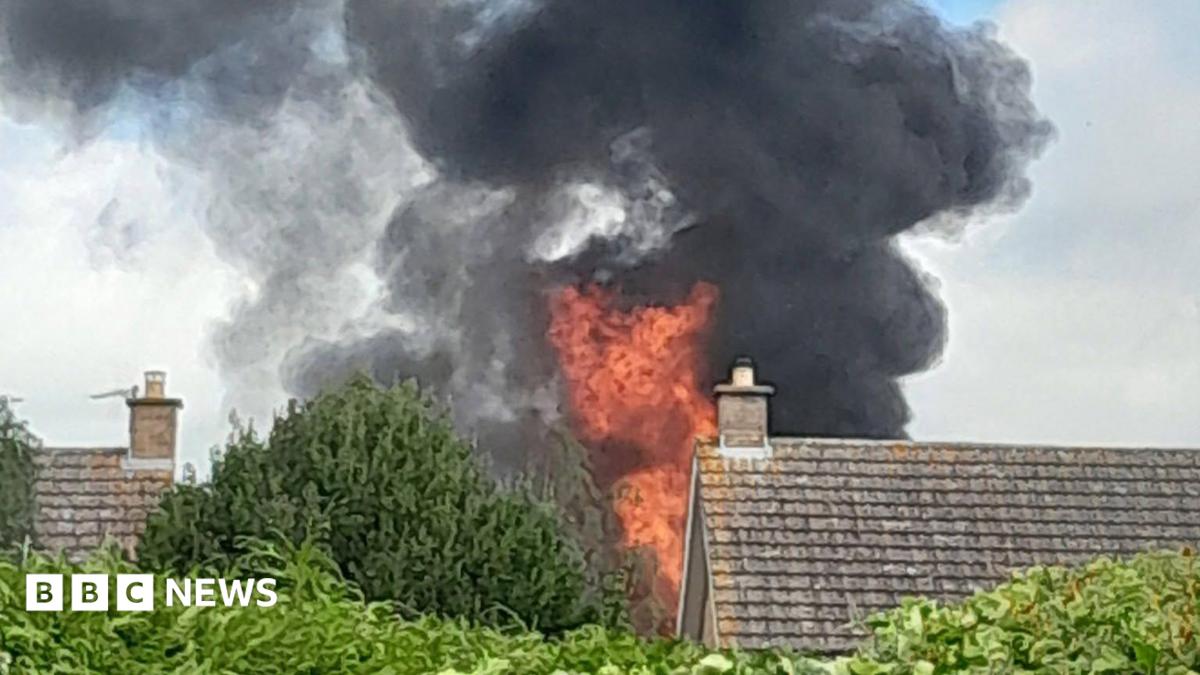
Patients and staff were safely evacuated after a fire broke out at Malton hospital (Malton and Norton District Hospital) on Wednesday morning, with no injuries reported. Fire crews attended and the public was urged to avoid the area and keep windows and doors closed due to heavy smoke, while the Malton Urgent Treatment Centre was closed.
Key Takeaways
- Everyone was evacuated safely, and no injuries were reported.
- Emergency crews responded and asked the public to avoid the site.
- Smoke was significant, with residents advised to close doors and windows.
- Services were disrupted, including the Malton Urgent Treatment Centre closure.
What happened at Malton hospital and who was affected?
A fire broke out in a building on the Malton and Norton District Hospital site in North Yorkshire on Wednesday, 8 July, prompting an evacuation of patients and staff.
In a statement reported by ITV News, York and Scarborough Teaching Hospitals NHS Trust said all patients and colleagues had been safely evacuated and there were no reports of injuries, adding it was working with North Yorkshire Fire and Rescue Service and partner agencies to monitor the situation.
ITV reported the fire appeared to be impacting several buildings on the site. YorkMix described a “huge blaze” and said a building on the Malton Hospital site was “well alight,” with multiple fire crews at the scene.
Is it safe nearby, and what are authorities asking people to do?
Officials urged caution for anyone in the surrounding area because of smoke.
YorkMix quoted a North Yorkshire Fire and Rescue Service spokesperson warning that residents and anyone nearby might notice large amounts of smoke and, as a precaution, should keep doors and windows closed. The same statement asked people to avoid the area to allow emergency services access.
ITV News reported similar guidance, with the fire service advising nearby residents to keep doors and windows closed and to avoid the area while crews responded.
Which services were closed, and what should patients do now?
Service disruption was immediate. ITV News reported that patients were asked not to attend appointments at the hospital and that the Malton Urgent Treatment Centre was closed.
If you had an appointment scheduled, the key practical point is not to assume services are operating normally. The safest next step is to follow official updates from the trust and emergency services, and use established NHS contact routes for advice if you’re unsure what to do.
Because the incident is developing, information can change quickly. For the most up-to-date reporting from a national newsroom, see the BBC’s coverage here: BBC report on the Malton hospital fire. For regional reporting and official statements carried at the time, see ITV News Calendar and YorkMix.
Why does a hospital fire matter beyond the emergency itself?
The obvious priority is safety, but events like this can ripple outward in ways people don’t anticipate: cancelled appointments, travel detours, time off work, childcare reshuffles, and last-minute spending on transport, food, or overnight stays for family members.
That matters for households financially, especially when plans change at short notice. It also matters for communities because urgent treatment and scheduled care don’t happen in a vacuum—when one site is disrupted, the pressure and knock-on costs can shift elsewhere.
For readers who follow our “Wealth Hacks & Passive Income” coverage, the takeaway isn’t to monetize a crisis—it’s to reduce financial fragility when real life happens. A disruption you didn’t cause can still cost you money.
What can families do to reduce the financial hit of sudden disruptions?
Without speculating about this incident’s wider operational impact, there are a few general, practical steps families often use to limit surprise costs when an emergency forces a change of plan.
First, keep key information easy to access: a short list of essential contacts, appointment details, and transport options. When you’re stressed, hunting for confirmation emails or numbers can lead to expensive mistakes.
Second, build “frictionless” buffers. That can mean maintaining a small emergency fund, keeping some flexible credit available that you can pay down quickly, and having a plan for paid time off or shift swaps. The point is optionality when you’re forced to pivot.
Third, treat travel and appointment days like mini risk events. Set aside extra time, keep receipts, and document changes. If you later need to rearrange care or resolve costs, a clear record helps you act faster and stay organized.
If you want more resilience-focused personal finance ideas that don’t rely on hype, browse our roundups in Wealth Hacks & Passive Income.
What happens next in the Malton hospital fire response?
As of the statements reported by ITV News and YorkMix, the core facts were that everyone had been evacuated safely, emergency crews were responding, and the public was being asked to avoid the area and keep doors and windows closed due to smoke.
ITV reported the trust was working closely with North Yorkshire Fire and Rescue Service and other partner agencies to monitor the situation. YorkMix emphasized the scale of smoke and the ongoing emergency response.
We’ll stick to verified updates from the outlets above as they publish them and as official statements are released.