Ortega says Nicaraguan elections will never be held again
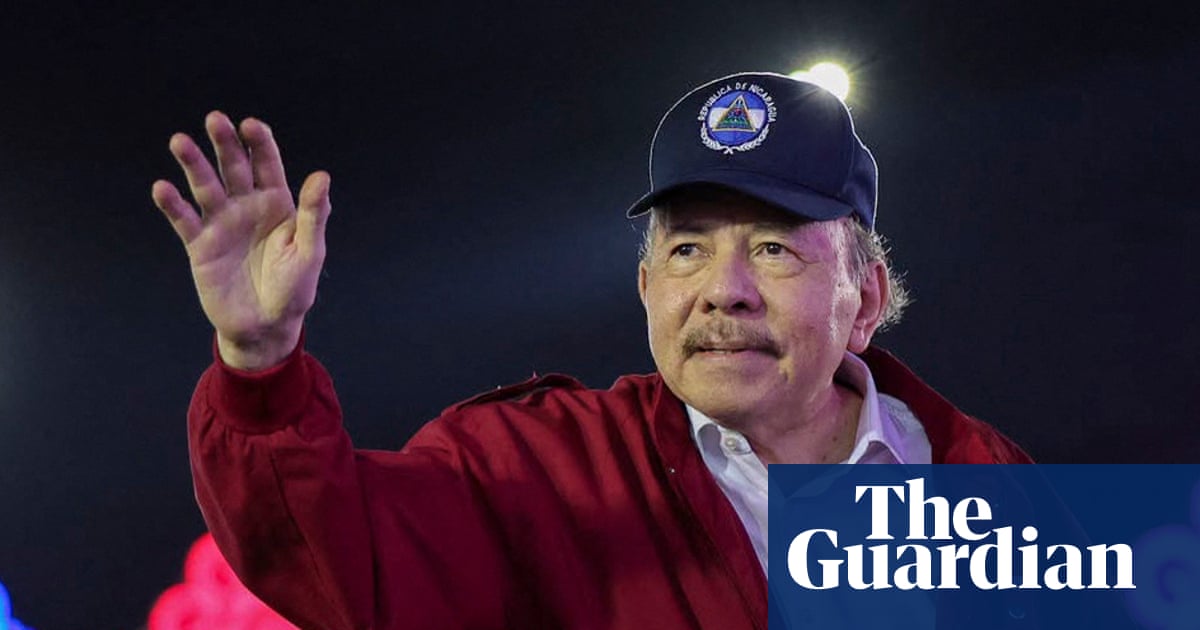
Nicaragua’s president Daniel Ortega has declared that Nicaraguan elections will no longer be held, saying the move will stop the opposition from taking power. Speaking on Sunday at a Sandinista revolution anniversary ceremony, the 80-year-old leader also vowed new laws to “build a wall” against rivals he labeled coup plotters and traitors.
Key Takeaways
- Daniel Ortega said Nicaragua will hold no further elections so the opposition cannot seize power.
- He pledged to work with the National Assembly on laws that “build a wall” against opponents.
- The announcement came on the 47th anniversary of the 1979 Sandinista revolution.
- Elections had been due next year; Ortega gave no clear plan for cancellation versus barring rivals.
- Analysts say the statement marks a further shift toward a family-run authoritarian system.
What did Ortega announce about Nicaraguan elections?
According to The Guardian, Ortega told supporters there will be “no more elections here” so opposition parties cannot “seize the government.” The speech was delivered during an official ceremony marking 47 years since the Sandinista revolution that toppled Anastasio Somoza.
Ortega, in office since 2007, had not appeared in public for 61 days before Sunday’s address. Local media reported that thousands of state employees were coerced into attending.
Why does ending Nicaraguan elections matter now?
The vote was expected next year. Ortega did not say whether polls would be cancelled outright or whether the opposition would simply be blocked from competing—something already seen in practice. During the 2021 campaign, his government outlawed parties and jailed opposition presidential hopefuls.
Tiziano Breda, a Latin America analyst at Armed Conflict Location and Event Data, said Ortega and co-president Rosario Murillo have “sealed the country’s transition to a full-fledged family dictatorship.” He argued they appear unwilling even to stage a rigged contest, fearing any opening could fuel dissent.
Last year, constitutional changes extended the presidential term from five to six years and elevated Murillo from vice-president to co-president. The United States refers to their rule as the “Murillo-Ortega dictatorship.”
How does this fit a wider crackdown on dissent?
Ortega framed the ban as protection against “coup plotters,” linking rivals to the 2018 nationwide protests. Organizations including the UN say his regime’s crackdown then killed more than 350 people, wounded hundreds, jailed thousands, and drove nearly one million Nicaraguans into exile.
Human Rights Watch estimates about 50 political prisoners remain. The regime has stripped 546 people of citizenship and shut down more than 5,600 NGOs, 29 universities, and 58 media outlets. For more global power and society coverage, see Future Tech & AI Wonders on BlasterPost.
In the same speech, Ortega also condemned a January U.S. operation that abducted Venezuelan leader Nicolás Maduro, calling the raid “monstrous.” The Nicaraguan elections pledge, however, is the line that most clearly signals how far Managua has moved from competitive politics.