OpenAI weighs 5% government stake in Trump-era talks: FT
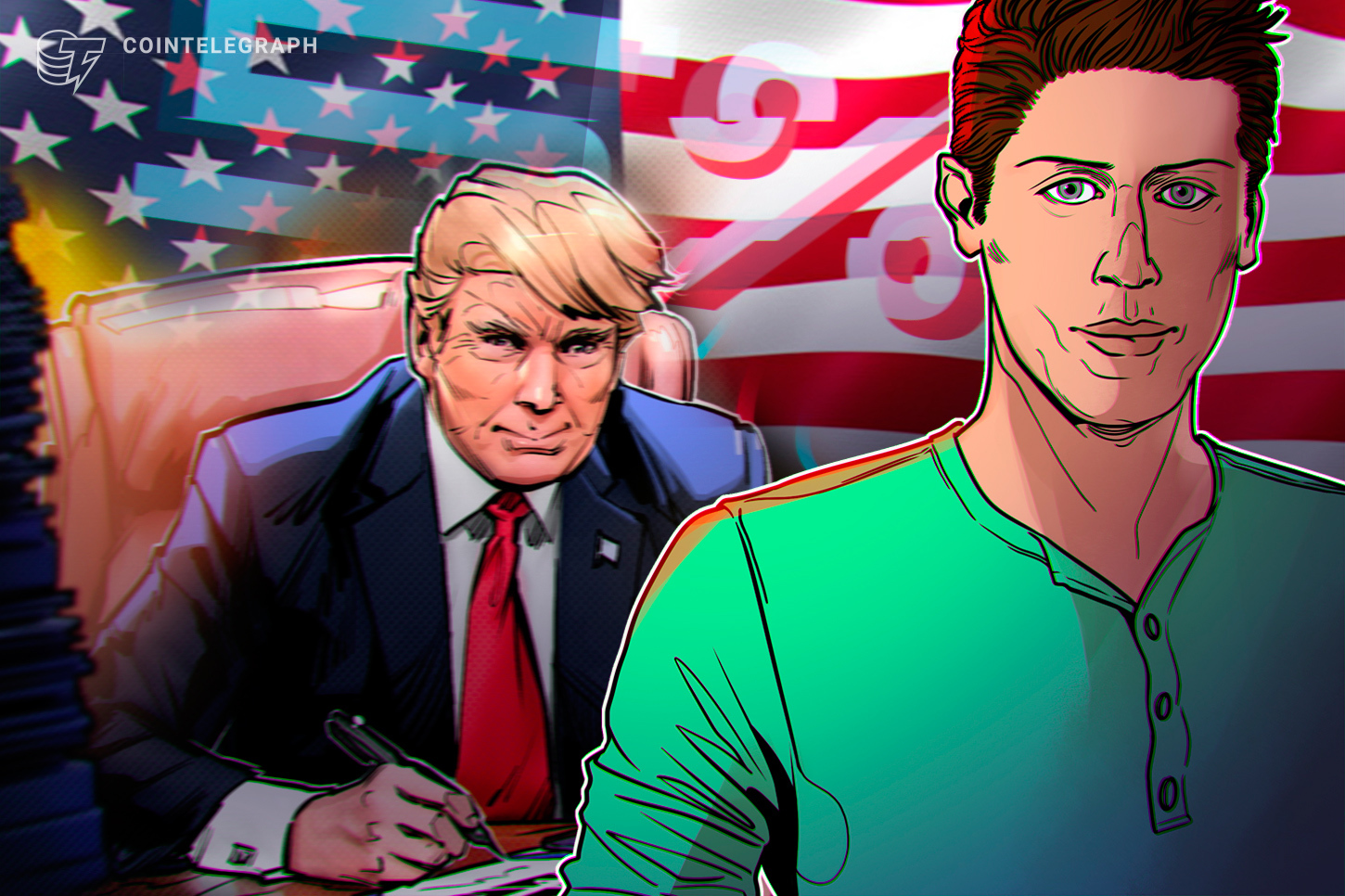
OpenAI weighs government stake by reportedly discussing a plan to give the US government a 5% equity stake during early talks with the Trump administration, according to the Financial Times as cited by Cointelegraph. The idea matters because Washington is tightening oversight of frontier AI models, and ownership could reshape how AI’s economic upside—and regulation—work.
Key Takeaways
- Reported proposal: OpenAI discussed a 5% US government equity stake, per FT via Cointelegraph.
- Policy backdrop: Washington is preparing voluntary frontier-model standards, with security and access rules expected soon, per the report.
- Open questions: It’s unclear if other major AI firms would support similar stakes, and how any plan would be implemented.
- Why crypto readers care: AI governance is colliding with markets and tokenized finance, as other fintech rails expand.
What did OpenAI reportedly propose to Washington?
OpenAI has reportedly discussed giving the US government a 5% equity stake in the company in early conversations with the Trump administration, the Financial Times reported, according to Cointelegraph. Cointelegraph described the talks as happening as AI oversight in Washington intensifies.
Cointelegraph also reported that OpenAI CEO Sam Altman has been in talks with President Donald Trump, Commerce Secretary Howard Lutnick and Treasury Secretary Scott Bessent, citing the FT report. The proposal, as characterized in Cointelegraph’s write-up, would place a minority stake with the government as scrutiny of advanced AI systems increases.
For ongoing coverage in this space, see BlasterPost’s hub for fintech and crypto alerts at Fintech & Crypto Alerts.
Why would a government stake matter for AI oversight?
The reported discussions land at a moment when the White House is preparing voluntary standards for frontier AI models, Cointelegraph said, describing benchmarks around security, review timelines, and clarity on who can access the most advanced AI models in the US and abroad. In other words, the regulatory question isn’t abstract: it’s about who can deploy powerful systems, how quickly, and under what safeguards.
Cointelegraph further reported that the Trump administration requested a staggered rollout of OpenAI’s GPT-5.6 and temporarily imposed export controls on Anthropic’s latest models over cybersecurity concerns before lifting the restrictions. If accurate, that illustrates how oversight can extend from paperwork to concrete controls on releases and cross-border access.
Is this confirmed—and what’s still unclear?
No: this is a report about discussions, not a finalized deal. Cointelegraph framed the 5% stake as something OpenAI has “reportedly discussed,” citing people familiar with the matter via the Financial Times.
There are also major unresolved details. Cointelegraph noted it remains unclear whether other AI companies—such as Anthropic, Google and Meta—would support a similar approach. And even if the concept gained political traction, the practical questions would be substantial: what vehicle would hold the stake, how it would be governed, and how the public would benefit (if at all) are not settled in the reporting summarized by Cointelegraph.
For an authoritative reference point on the underlying report, see the Financial Times (publisher cited by Cointelegraph) at Financial Times.
Why is this showing up in fintech and crypto conversations now?
Because the lines between AI policy, financial markets, and onchain infrastructure are blurring. The same Cointelegraph feed also highlighted that Robinhood linked with dYdX Labs to launch a new decentralized exchange called Arcus. Cointelegraph said the crypto protocol dYdX has rebranded as Arcus and is joining Robinhood’s new blockchain to bring perpetual and tokenized stock trading.
Put together, the headlines point to a fast-moving intersection: governments are tightening control over frontier AI capabilities, while trading and tokenization tooling continues to expand. If the US were ever to take equity positions in leading AI firms—even a minority stake—market participants would likely watch for how ownership interacts with regulation, access rules, and competitive dynamics across tech and finance.