One way that aged T cells age the body via Granzyme K
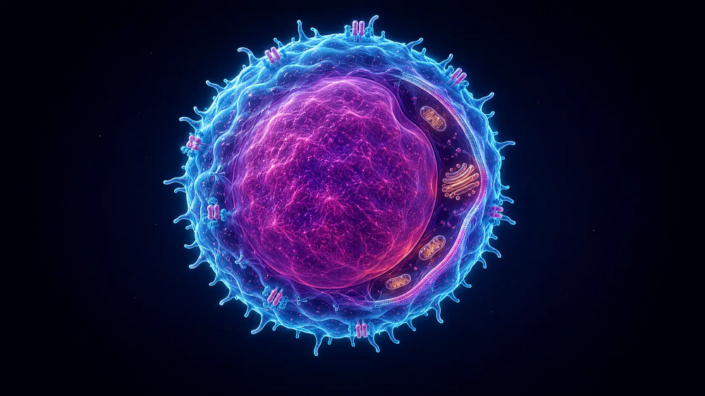
One way that aged CD8+ T cells accelerate whole-body aging is by releasing Granzyme K, a compound that drives fibrosis and protein changes linked to organ decline. Mouse work shows that lacking Granzyme K eases liver and heart aging without broadly fixing inflammaging.
Key Takeaways
- Older CD8+ memory T cells are the main source of rising Granzyme K in aging mice.
- Removing Granzyme K barely changed immune aging or blood inflammation markers in this study.
- Granzyme K–deficient aged mice showed healthier proteomes and less fibrosis in liver and heart.
- Researchers call targeting Granzyme K a compelling path for healthspan research.
For more longevity science explainers, browse our Longevity & Biohacking hub.
What did researchers find about Granzyme K?
According to reporting from the Lifespan Research Institute, scientists linked Granzyme K—mostly emitted by older CD8+ T cells—to faster aging across multiple organs. CD8+ T cells are cytotoxic immune cells that age quickly and can push downstream aging in other tissues.
Prior work had already cast Granzyme K–producing cells as a hallmark of inflammaging that can induce cellular senescence and spur inflammatory cytokines. This new study tried to connect the molecule more directly to hallmarks of aging.
Which immune cells release the aging signal?
In the spleen, liver, and lungs of young versus aged mice, Granzyme K rose with age and came chiefly from CD8+ T cells, especially CD8+ memory T cells. CD4+ T cells contributed smaller amounts. Unlike some earlier reports, this team did not see age-related Granzyme K increases in other immune cells they checked.
Mice that never produce Granzyme K were followed across life. Their immune systems still aged much like normal mice: immunosenescence, memory-cell fate shifts, M1 macrophage polarization, and myeloid-biased hematopoietic stem cells looked unchanged. Older Granzyme K–free mice had more tumor-infiltrating CD8+ cells, yet tumor control was not improved. Overall, losing Granzyme K barely altered how immune cells performed or aged.
Does Granzyme K drive inflammaging or organ damage?
Surprisingly, Granzyme K had no statistically significant effect on circulating inflammatory compounds in these mice. Age raised MCP-1 and IL-6, but knocking out Granzyme K did not meaningfully lower them.
Proteomics told a different story. Aged wild-type mice made more proteins tied to oxidative stress, cellular damage, and mitochondrial dysfunction—including SOD2—than young mice or aged mice without Granzyme K. The Granzyme K–free aged mice instead made more youth-linked proteins such as angiopoietin-1, previously linked to senescence inhibition in mice.
Function followed the proteome. Glomerular hypertrophy fell substantially without Granzyme K, though kidney fibrosis and age-related drops in kidney function and muscle size were not clearly rescued. Liver and heart fibrosis improved, and the age-related thickening of the heart’s left ventricular wall was attenuated. Liver and heart also showed functional benefits.
Using public datasets, the authors linked Granzyme K to fibrotic human disease as well. They argue that acquiring a Granzyme K–positive phenotype needs antigen-driven differentiation plus inflammatory cues from aged tissue—a two-way loop that worsens tissue aging—and that targeting Granzyme K is a compelling therapeutic avenue for healthspan.