NOAA El Niño outlook: Ski states most likely to win or lose
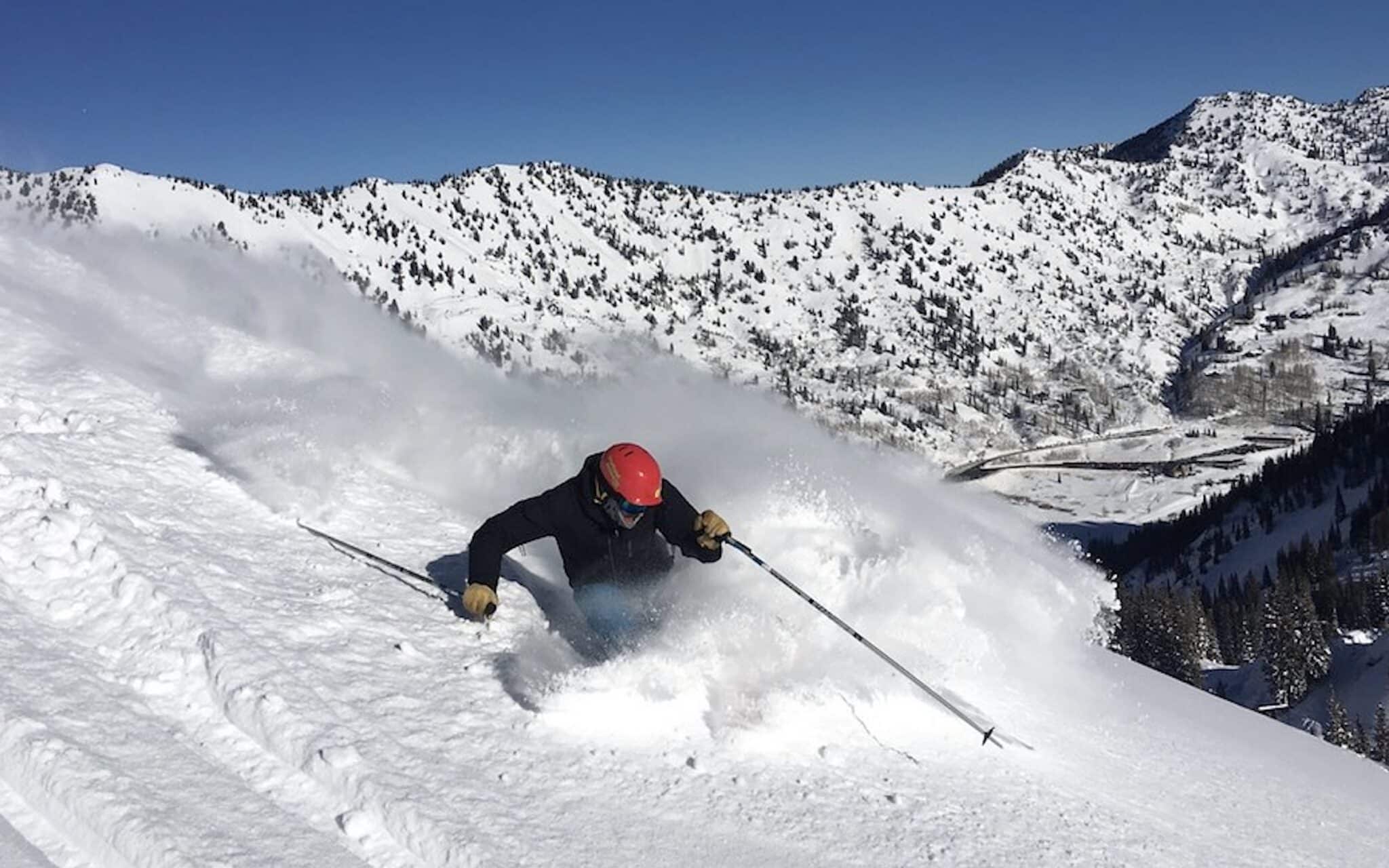
According to NOAA, a potentially record-setting El Niño is expected to reshape North American winter weather, raising snowfall odds for California and the Southwest while challenging the Pacific Northwest and northern Rockies. Seasonal outlooks change probabilities, not guarantee resort totals—but history strongly favors southern ski states.
Key Takeaways
- NOAA expects the developing El Niño to rank among the strongest on record, shifting the jet stream south.
- California, New Mexico, Arizona, and southern Colorado historically gain the best snow odds.
- Washington, Oregon, Idaho, and Montana often face warmer, thinner snowpack winters.
- Outlooks are probability forecasts; individual resorts can still buck the pattern.
A strengthening El Niño is already drawing attention from climate scientists watching the 2026–27 cold season. Warmer-than-average tropical Pacific waters typically push the jet stream south, favoring wetter conditions across the southern United States and warmer readings along much of the northern tier, according to reporting that cites NOAA.
For skiers and snowboarders tracking early alerts—including those who follow seasonal coverage on BlasterPost Streaming & TV Alerts—the pattern matters because it reshapes where deep snow is most likely, not whether winter disappears.
Which states are most likely to benefit from El Niño snow?
California is often the clearest winner when a strong El Niño locks in. A southern jet stream tends to steer more Pacific storms into the Sierra Nevada, lifting odds of above-average snowfall and a deeper snowpack.
New Mexico and Arizona frequently improve as well, with storm tracks more likely to cross the Southwest. Southern Colorado—think resorts such as Wolf Creek—usually fares better than the northern half of the state. Southern Utah can get a milder boost from the same southern moisture stream.
Which ski states face the toughest odds?
Washington often shows one of the strongest negative El Niño signals: warmer Pacific Northwest air and fewer Cascade storms, with rain replacing snow at lower elevations. Oregon faces a similar warm, lean-snow bias.
Idaho and Montana tend to sit north of the favored storm track, tilting odds toward below-average snowfall. Northern Colorado and northern Utah occupy weaker or mixed zones; the Wasatch can still deliver lake-effect powder, but strong El Niño winters do not consistently favor them the way they favor California.
Could the East also see a stormier winter?
Separate long-range commentary has highlighted an active subtropical jet pumping moisture into the eastern United States. One independent meteorologist has described early signals for New York’s 2026–27 season as the “strongest winter weather signal in a decade,” with the most disruptive stretch possibly peaking in January and February 2027.
USA TODAY Network reporting also notes that NOAA analysis linked wetter-than-average Southeast winters to eight of 11 strong El Niño events studied, while parts of the Northwest and Northern Plains historically trend warmer and drier.
How reliable are NOAA El Niño seasonal outlooks?
Seasonal climate outlooks are odds, not snowfall forecasts. A favored state can still go dry for weeks, and a challenged region can still score landmark powder cycles. Local terrain, atmospheric rivers, and storm timing still decide resort totals.
Still, if classic El Niño patterns hold, California and much of the Southwest enter winter with the best chance of above-average snow, while the Pacific Northwest and portions of the northern Rockies carry the highest risk of a leaner season.