Nigeria influencer KC Luxury arrested over $28m cocaine haul
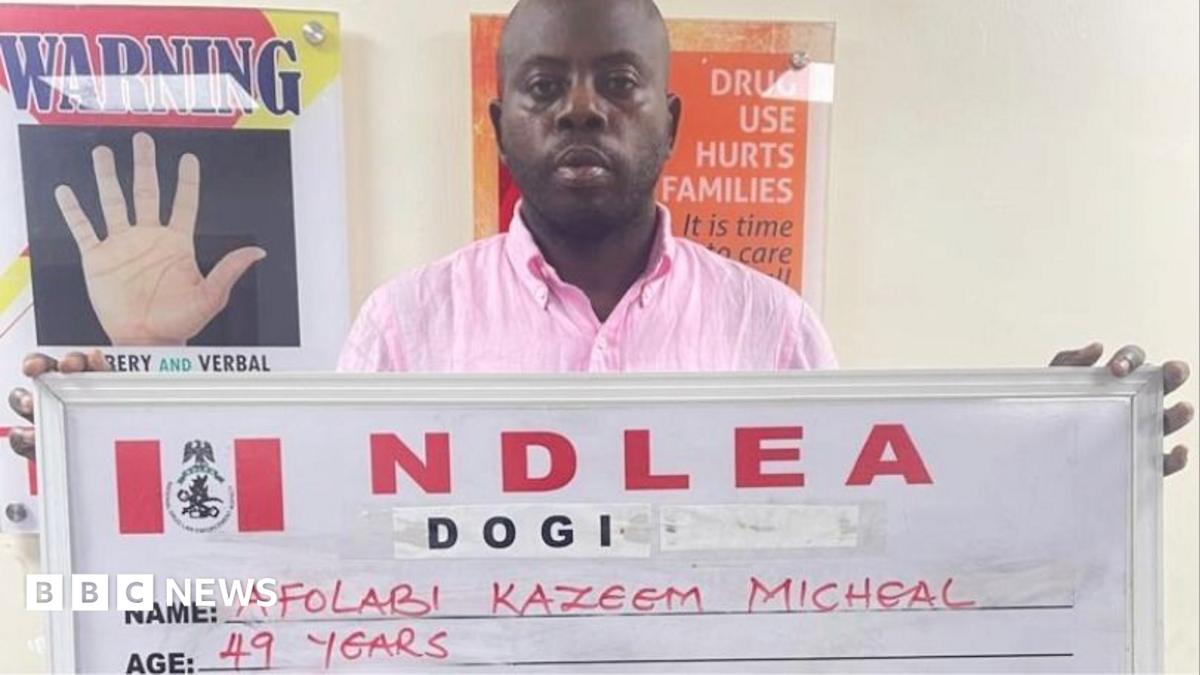
Nigerian influencer Afolabi Kazeem Micheal, known online as KC Luxury, was arrested at Lagos airport after authorities seized 184.5kg of cocaine worth nearly $28m destined for the UK. Officials allege he was the Nigerian arrowhead of a cartel using a luxury lifestyle as cover, though he has not been charged.
The National Drug Law Enforcement Agency (NDLEA) said the 49-year-old, who has about 700,000 Instagram followers, was detained at Murtala Mohammed International Airport on 13 August 2026 as he prepared to board a business-class flight to Paris. He has not commented on the allegations.
Key Takeaways
- NDLEA seized 184.5kg of cocaine, valued at nearly $28m (£21m) or about ₦39bn, at a Lagos courier facility on 3 August.
- Influencer KC Luxury was arrested 10 days later at the airport boarding gate after intelligence he intended to flee.
- Officials allege he fronted gold and luxury goods while coordinating a South America-to-Europe cocaine pipeline.
- A logistics-firm staff member was also detained; suspected UK-based associates have been arrested overseas.
- Neither named suspect has commented, and the BBC reported neither had been charged in court.
Who is KC Luxury and why was he arrested?
Micheal presented himself online as a businessman dealing in gold, jewellery and luxury goods. The NDLEA alleges investigations identified him as the Nigerian “arrowhead” of a cartel moving cocaine from South America through Nigeria to the United Kingdom, other parts of Europe and Asia.
NDLEA chairman Gen. Buba Marwa said operatives acted on “credible intelligence that he intended to flee the country” and “apprehended him at the boarding gate.” Officers said he was carrying €7,750, £2,800 and ₦100,000 — more than $12,840 in cash — plus expensive jewellery they described as consistent with illicit proceeds.
A subsequent search of his luxury apartment on Banana Island, Ikoyi, Lagos, recovered exotic vehicles, the agency said. Marwa warned people who hide behind luxury brands and social media personas that the agency would find them. Readers following bizarre news will recognise the contrast between a glittering public image and a high-stakes trafficking probe.
How was the $28m cocaine haul uncovered?
On Monday 3 August, 184.5kg of cocaine was found concealed in brown boxes at a courier facility in Lagos. Marwa called it the largest cocaine seizure made through a courier company in Nigeria and said the cartel hoped to realise as much as ₦39bn from the consignment.
The NDLEA said traffickers have shifted toward courier and logistics firms, which they allegedly viewed as less monitored than seaports and airports. A Special Investigation Team then traced intermediary companies and individuals used to process the shipment.
The second detained suspect, 33-year-old Lawal Mujab Kehinde, is alleged to have been a logistics-company staff member who packaged cocaine for export, routed consignments to the UK, Europe and Asia, and was paid in cash. He has not commented on the allegations and, like Micheal, had not been charged in court when the BBC reported the case.
What happens next for the alleged cartel?
The agency said the network used false identities to conceal true consignors and relied on financial facilitators who moved billions of naira. Suspected members in the UK have been arrested by counterpart agencies; the BBC said it was seeking comment from UK authorities.
Marwa framed the bust as proof of what international cooperation can achieve and vowed to pursue remaining members. “We will track you to the departure gates if we must,” he said at a Lagos news conference. He added that the agency’s reach extends into ports, forests, luxury apartments and departure lounges, and that no sanctuary exists in Nigeria for those who traffic in poison.