Labour slams Nigel Farage’s £100bn cuts as reckless plan
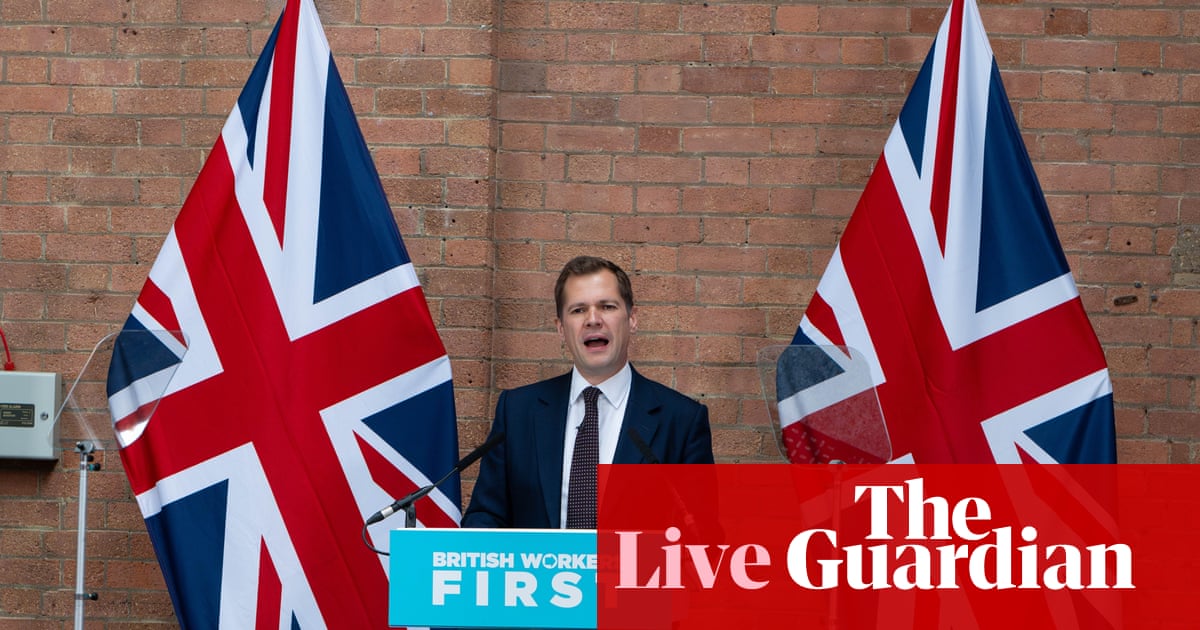
Labour has branded Reform UK’s plan to cut more than £100bn a year in public spending as “half-baked” and “incredibly reckless,” after Robert Jenrick outlined the sums for a Nigel Farage-led government. Welfare, quangos and debt interest would be targeted, while Labour chair Bridget Phillipson warned hospitals, schools and law enforcement could be put at risk.
The row broke on 3 September 2026, during Reform UK’s “business day” in Birmingham, before the main conference. Jenrick, the party’s Treasury spokesperson, first set out the package in a Daily Telegraph interview, then expanded it at a fringe event hosted by Sunday Telegraph editor Allister Heath. The Guardian’s live politics blog recorded both the interview claims and Labour’s response.
For households watching gilt yields, tax headroom and the cost of servicing public debt, the argument is not abstract. Higher government borrowing rates feed through to mortgages, savings products and the tax choices chancellors say they can afford. Readers tracking those money flows can also browse BlasterPost’s Wealth Hacks & Passive Income coverage.
Key Takeaways
- Reform UK, led by Nigel Farage, is pitching more than £100bn a year in savings: about £50bn from welfare, £20–30bn from other departments, and almost £30bn if UK debt-interest costs matched France.
- Labour chair Bridget Phillipson called the plans “half-baked” and “incredibly reckless,” warning hospitals, schools and law enforcement could be put at risk.
- Jenrick said a Farage-led government could try to cut borrowing costs in a chancellor’s first 100 days, after UK government borrowing rates hit a 30-year high of 5.91%, versus 4.1% in France, according to Telegraph figures cited by The Guardian.
- He said he would “like to believe” there would be tax cuts in Reform’s first budget, but stopped short of a guarantee, ranking income tax above inheritance tax.
- Phillipson also told Farage to “come clean” about a “secret £5m ‘gift’” and scandals over Reform’s own finances.
What did Reform actually pledge on spending and borrowing?
Jenrick’s core claim is that a Nigel Farage-led government could save the exchequer almost £30bn a year if the cost of servicing UK debt were “comparable to France.” Combined with welfare and departmental cuts, he said that would add up to more than £100bn.
“If the cost of servicing our debt was comparable to France, we would save £28bn a year [on interest repayments],” he told the Telegraph. “The message from the markets is very clear: we have got to cut spending and have a credible path to cutting taxes.”
The Telegraph, as reported by The Guardian, said the interest rate on government borrowing had hit a 30-year high of 5.91%, compared with 4.1% in France. Jenrick promised he would provide that clarity — and cut the cost of borrowing to French levels — in his first 100 days as chancellor.
The spending side, as he described it, is a £50bn cut from welfare and another £20–30bn from other departments. That second pot, according to the Telegraph write-up summarised by The Guardian, would mix cuts to net-zero policies, axing quangos, reducing foreign aid and trimming the civil service to pre-Covid levels.
At the conference fringe, Jenrick said quangos such as Natural England could lose funding “within days” of Reform taking power. Abolishing some bodies might need legislation, he argued, but “you can stop funding it, you can turn the tap off.” He called the approach “unorthodox” and “a much more radical attitude to the way it’s been done in the past.”
He also said he wanted “greater diversity of thought” on the Bank of England’s Monetary Policy Committee, including more people from the private sector. He said he had people in mind but did not name them.
Why does Labour say Nigel Farage’s cuts are reckless?
Phillipson, commenting on Jenrick’s Telegraph interview, said Reform had “provided no detail on how or where these enormous cuts would fall.” She called that “incredibly reckless” because “vital public services like hospitals, schools and law enforcement” could be put at risk.
“Instead of drawing up half-baked plans on the public finances, Farage should come clean about the scandals he and Reform are facing over their own finances,” she added. “The truth about his secret £5m ‘gift’ will come out — it’s time he finally took responsibility for his actions and proved he’s not just in it for himself.”
Conservative leader Kemi Badenoch separately condemned Reform’s conference press bans as “authoritarian,” saying that if Farage “can’t handle difficult questions about his dodgy £5m, then he shouldn’t be a politician.” The Guardian also reported Reform UK received £5.3m in donations in the second quarter of 2026, ahead of Labour on £3.6m and the Conservatives on £2.8m.
How could gilt yields and taxes affect your money?
Jenrick’s pitch is that markets will reward a “credible path” to lower spending and, later, tax cuts. If gilt yields stay near multi-decade highs, the state pays more to roll over debt. That squeezes the budget that funds services — and the room for tax cuts that savers and workers actually feel.
He is already ranking which tax cuts he would value if “headroom” appeared. Inheritance tax, he said, is not the priority, because income-tax cuts would help more ordinary workers. There are “40 million income tax payers in this country, versus inheritance tax, where there’s 36,000 estates a year,” he argued. “It’s a bold chancellor to say I would rather privilege 36,000 families than 40 million taxpayers.”
He accused the Conservatives of becoming a “regional party” focused on “the sectional interests of the asset rich, the older, those who have got lucky in life,” while Reform would focus on “the interest of everyone and the national interest.”
Separately, Emily Thornberry, the Labour chair of the Commons foreign affairs committee, told BBC Radio 4’s World at One she thought taxes would need to rise in the budget because of “huge strains on the economy.” That sits in tension with Reform’s implied sequence: cut spending first, then hope borrowing costs fall, then maybe cut taxes.
Would Nigel Farage’s party cut taxes in its first budget?
Jenrick said he “would like to believe” there would be tax cuts in his party’s first budget, then stopped short of guaranteeing it. The sequencing is spending first, markets second, tax cuts only if headroom appears.
Deputy leader Richard Tice, speaking on the same business day, set out a consultation to loosen brownfield planning rules, including scrapping biodiversity net gain and environmental statements on many urban sites. He said those requirements “consume money” and reduce scheme viability.
Until Reform publishes a line-by-line list of which benefits, departments and agencies would take the hit, households cannot treat the £100bn figure as a locked-in tax cut or a locked-in service cut. It is a conference bid to own the fiscal argument while gilt yields remain historically high — and while Labour is determined to pin the unanswered questions on Nigel Farage.