Newsom pushes federal wealth tax after losing California fight
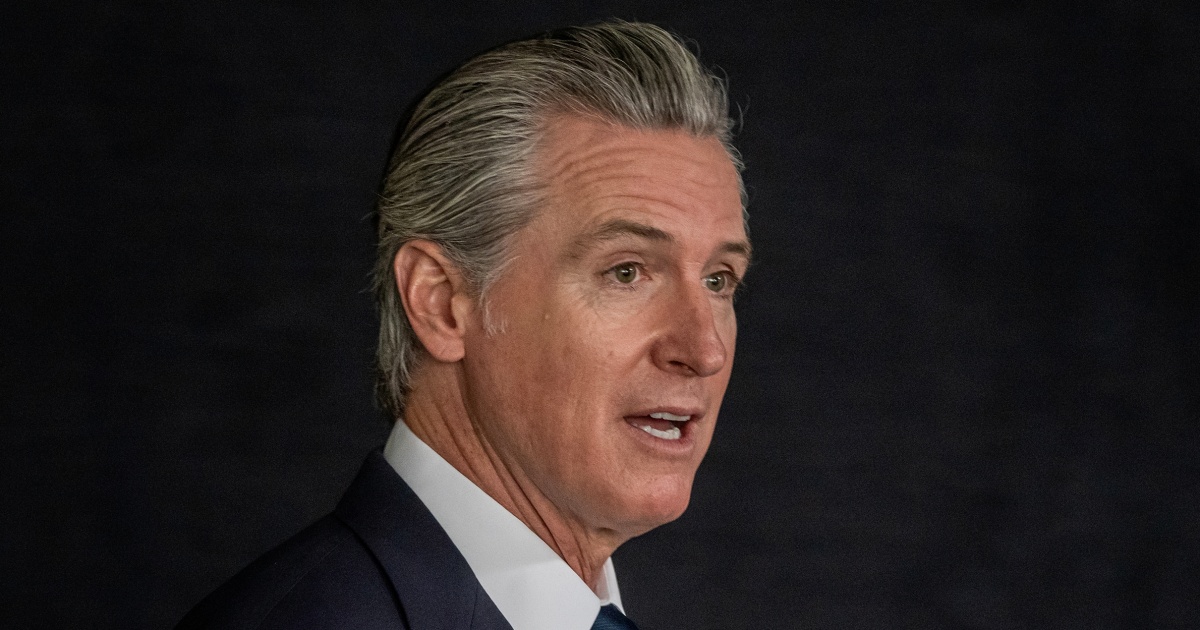
California Gov. Gavin Newsom lost his fight to keep a state wealth tax off the November ballot, but he is not walking away from taxing billionaires. He is now pitching a federal wealth tax, an AI public equity fund, and new loophole closures while campaigning against California's one-time 5% levy on residents worth more than $1.1 billion. The pivot lands as Newsom, who is weighing a 2028 presidential run, tries to lead on inequality without owning a ballot fight his allies say could drain California's tax base.
Key Takeaways
- Newsom failed to block a California billionaire tax initiative from reaching the November ballot after negotiations with union backers stalled.
- The measure would impose a one-time 5% tax on Californians worth more than $1.1 billion, with 90% of revenue directed to healthcare.
- Newsom instead backs a national minimum tax on billionaires and people worth at least $100 million, plus an AI public equity fund.
- Wealthy opponents qualified competing ballot measures that could nullify the state tax before collections begin.
- The clash tests whether Democrats follow populist tax anger or the fiscal caution favored by party leaders.
What will California voters decide in November?
Californians will vote on a groundbreaking plan to impose a one-time tax on billionaire wealth, with most revenue earmarked for healthcare, according to The New York Times. The initiative, backed by the Service Employees International Union-United Healthcare Workers West, would levy 5% on the assets of state residents whose net worth exceeds $1.1 billion.
Backers say the tax would raise roughly $100 billion, with 90% going to healthcare and the remaining 10% split between education and food assistance. The measure applies to Californians who were state residents as of Jan. 1, 2026.
Why does Newsom oppose his state's billionaire tax?
Newsom told supporters he is voting no on the California proposal. In a Friday Substack post and video, he said his opposition is grounded in where the money would be spent, not in shielding the ultra-wealthy from paying more.
He argues that taxing billionaires state by state lets the richest simply relocate, eroding California's long-term revenue for a one-time windfall. That view aligns with leading Democrats such as Xavier Becerra, the leading candidate to succeed him as governor, who also opposes the ballot measure.
What is Newsom's federal wealth tax plan?
After failing to keep the California measure off the ballot, Newsom proposed a more expansive national agenda, NBC News reported. His plan would create a minimum tax on billionaires and anyone with a net worth of at least $100 million, close loopholes used by the ultra-wealthy, and launch a national public equity fund giving Americans a stake in the artificial intelligence economy.
Newsom framed the AI fund as relief for workers whose jobs are disrupted by the technology. "We need to ensure every American owns a stake in the future being built by AI," he wrote.
Why does this wealth tax fight matter nationally?
At a moment of widening inequality and anger over billionaire political influence, the California vote asks how far voters will go with eat-the-rich populism versus pragmatic fiscal policy, Bloomberg Opinion argued. For Democrats, much of the answer may come from Newsom himself.
The divide runs deep inside the party. Rep. Ro Khanna and billionaire activist Tom Steyer back the California tax, while Newsom and Becerra lead the opposition. Billionaires have financed competing measures designed to block the levy, setting up a costly November showdown. For more on how extreme wealth shapes policy fights, see our Net Worth & Wealth coverage.