Nevada's Hawk Fire forces nearly 90,000 to evacuate
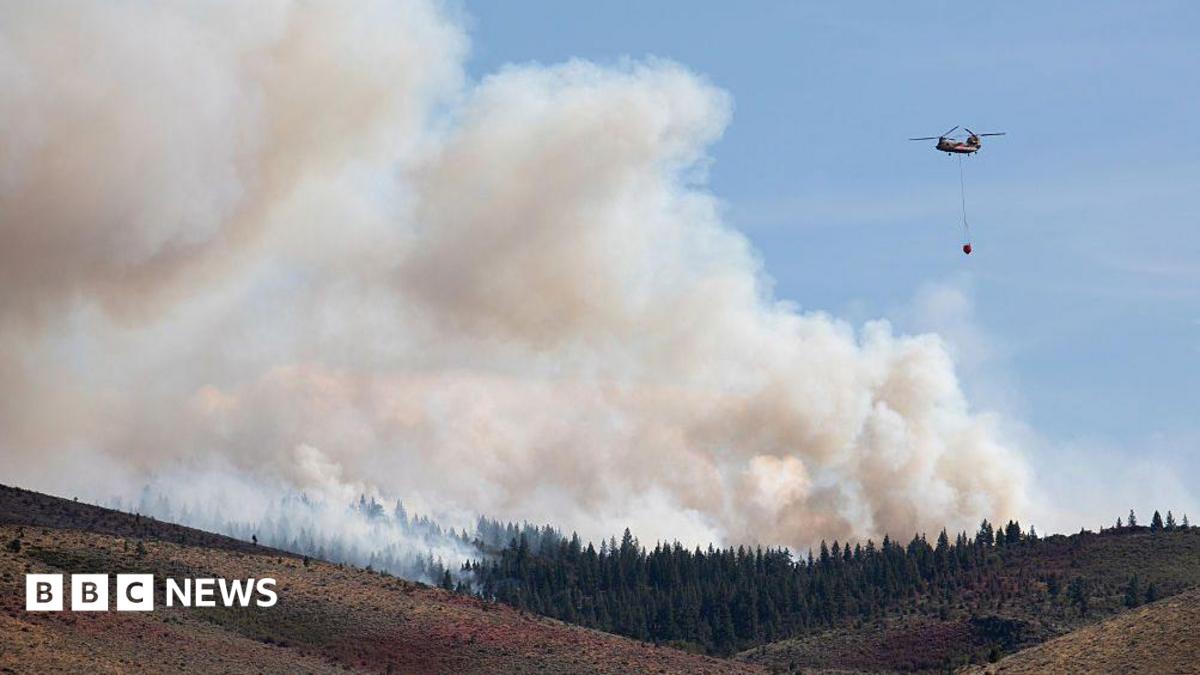
Nearly 90,000 people in Nevada have been told to evacuate or prepare to leave as the Hawk wildfire burns more than 15,000 acres near Reno with zero containment. Officials warn dry, windy weather could keep the blaze active for about 48 hours, and there is no firm timeline for residents to return home.
The Hawk Fire was first reported on Saturday at 11:15 local time near the Hawk Meadow Trail, west of Reno. Within hours it became a fast-moving threat across Washoe County, prompting Nevada Governor Joe Lombardo to declare a state of emergency.
According to BBC live reporting, roughly 42,000 people were ordered to leave immediately, with about 45,000 more urged to get ready. The blaze has injured six people, including three emergency responders, and remains completely uncontained.
Key Takeaways
- The Hawk Fire has burned about 15,000 acres (23 sq miles) near Reno, Nevada, with 0% containment.
- Nearly 90,000 residents face "go now" or "get set" evacuation orders; re-entry has no set timeline.
- Hot, dry, breezy weather may keep the fire active for the next 48 hours and push it northeast or northwest.
- Washoe County is under a state of emergency; most county schools closed Monday as crews and aircraft fight the blaze.
- The University of Nevada, Reno says its campuses are not in evacuation zones and will operate as scheduled.
What is happening with the Hawk Fire in Nevada?
Fire officials say winds over 40 mph (65 km/h) helped the flames travel extremely quickly, covering almost six miles in less than 24 hours. Chief Richard Edwards of the Truckee Meadows Fire Protection District told CNN the fire "continues to grow" under low humidity and high winds that created extreme fire conditions.
Hawk Fire Service reports deploying 14 crews, 95 fire engines, 10 helicopters, and nine dozers. The Nevada National Guard added 72 personnel plus one Chinook and one Black Hawk helicopter. Nevada's office of emergency management also noted support from Australian firefighters with the New South Wales National Parks and Wildlife Service.
Officials later said fire behavior was less extreme than anticipated in some areas, allowing crews to hold lines and reposition. Mountainous terrain, continuous fuels, and critically dry conditions still challenge suppression. Damage assessment teams have begun checking structures, and homeowners will be notified if property was hit.
Several roads remain closed, including U.S. Highway 395. Residents are urged to check current road and evacuation guidance before entering affected areas. The immediate "go now" zone and wider "get set" area do not extend to downtown Reno but do cover large urban neighborhoods and part of a highway.
Why does this Nevada wildfire matter right now?
Speed and unpredictability are the core risks. Burning embers can jump fire lines, and wind shifts can force families out within minutes. One resident described being told to leave in about 20 minutes as flames came down the hill. Another said she was "scared to death" but ready to go when ordered.
Justin Davis, 29, who lives on Peavine Mountain, said the fire roared through his property and destroyed four vehicles. He credits a water truck with saving his home while neighboring properties were "completely levelled." He later returned to find a desert landscape turned into barren, burned land.
For households, sudden displacement can mean lost wages, temporary lodging costs, and damaged assets. Building an emergency buffer is part of practical money planning; readers tracking resilience tips can browse Wealth Hacks & Passive Income on BlasterPost for related guidance on financial preparedness.
Climate context also explains why communities like Reno face higher exposure. BBC environment coverage notes Reno's average temperature has risen by more than 4C since the 1970s, faster than any other major U.S. city, according to Climate Central. Warming and urban growth set the stage; officials often find a human spark starts such fires.
Is the University of Nevada, Reno closed because of the fire?
No. In an official update dated Sunday, Aug. 23, 2026, at 12:55 p.m., the University of Nevada, Reno said regular campus operations would continue Monday, Aug. 24. Classes and operations at the main campus, Redfield campus, and Lake Tahoe campus were set to proceed as scheduled.
University leaders said the institution remains safe and is not located within an evacuation zone or a "Get Ready" (Yellow) zone. Leadership is monitoring fire activity, air quality, and local guidance and will update if conditions change. Students in evacuation zones needing temporary housing were directed to the Dean of Students Office; faculty and staff seeking accommodations were told to contact supervisors.
Washoe County School District, by contrast, said all schools except one would close Monday after the state of emergency, citing evacuations, impacts on public safety resources, and the need to keep roads clear for emergency vehicles.
How long could evacuations last in Nevada?
Fire officials say there is currently no specific timeline for when evacuation areas will reopen. Re-entry depends on conditions inside the fire area and whether neighborhoods can be entered safely. Hot, dry, and breezy weather is expected to keep the Hawk Fire active for roughly the next 48 hours, with potential spread to the northeast and northwest.
BBC Weather reported an elevated fire risk across north-west Nevada and bordering parts of California and Oregon. Daytime winds may strengthen Monday into Tuesday, with gusts around 25 mph possible. A shift toward south-east winds at night could aid firefighters, while dry thunderstorms farther west raise the risk of lightning starts without helpful rainfall.
NASA FIRMS satellite detections showed intense heat signatures north-west of Reno. Based on Sunday data, the most intense anomalies covered about 4,448 acres across hillsides south of Route 395, consistent with official estimates of roughly 15,000 acres burned overall.
As of the latest public updates, crews remain fully engaged on hotspots, containment remains at zero, and residents should follow local alerts rather than assume downtown Reno or campus areas are under the same orders. The situation in Nevada is still described by state leaders as active and rapidly evolving.