NASA meteor sighting north Carolina fireball explained
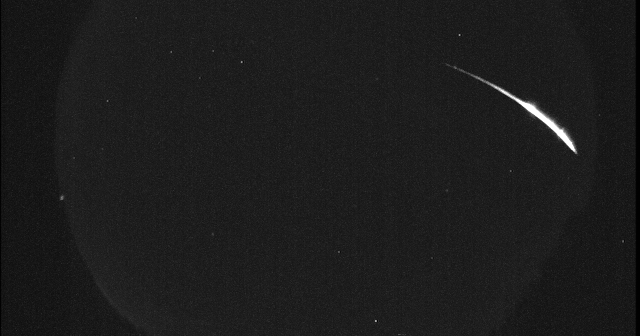
A NASA meteor sighting north of Chattanooga confirmed a tiny asteroid fragment lit up skies over North Carolina and Tennessee on Thursday night. Traveling about 47,000 mph, the two-inch, six-ounce rock appeared above Robbinsville, then disintegrated roughly 25 miles above East Ridge in under 10 seconds.
Key Takeaways
- NASA confirmed Thursday night's fireball was a small asteroid fragment burning up in Earth's atmosphere.
- The object first appeared about 53 miles above Robbinsville, North Carolina, moving a little south of west at roughly 47,000 mph.
- It disintegrated about 25 miles above East Ridge, near Chattanooga, less than 10 seconds after first detection.
- Four NASA all-sky cameras recorded the event; analysis put the rock at about two inches across and six ounces.
- Despite November timing, NASA said the meteor was not part of the active Taurid meteor shower.
For a few dazzling seconds on Thursday evening, people across East Tennessee and nearby North Carolina watched a brilliant streak race through the sky. By Friday, NASA had an answer grounded in camera data rather than speculation.
According to CBS News, the agency tracked the object with specialized sky cameras and concluded it was a small piece of an asteroid. Local reporting from the Chattanooga Times Free Press and Local 3 News matched that finding and filled in the path, timing, and size.
If you follow viral sky events alongside other trending explainers on BlasterPost's Wealth Hacks & Passive Income hub, this one stands out for a simple reason: the flash looked dramatic, yet the rock itself was tiny.
What exactly happened during the NASA meteor sighting north of Chattanooga?
Residents with clear skies reported a brilliant streak around 7:45 p.m. Thursday. NASA later confirmed the fireball was a fragment of an asteroid burning up as it entered Earth's atmosphere.
The object was first spotted roughly 53 miles above Robbinsville, North Carolina. CBS News described the initial appearance as about 50 miles above the same town, lining up with the more precise altitude cited in regional coverage.
From there, the meteor traveled a little south of west into southern Tennessee. Less than 10 seconds after the first sighting, it disintegrated about 25 miles above East Ridge, just outside Chattanooga.
That short window helps explain the sudden social-media surge. Eyewitnesses shared numerous photographs of a blaze that was gone almost as quickly as it appeared.
How fast and how big was the fireball NASA tracked?
Speed made the show. NASA's analysis put the meteor at about 47,000 mph as it crossed from North Carolina into Tennessee.
Size tells the other half of the story. The fragment measured roughly two inches in diameter and weighed about six ounces—far smaller than many people imagine when they hear the word fireball.
CBS News noted that astronomers call an especially bright meteor a fireball because it can be seen over a wide area. Some fireballs come from objects three feet or larger. This one was far smaller, yet still bright enough for widespread eyewitness photos.
NASA defines meteors, sometimes nicknamed shooting stars, as the visible paths of asteroid fragments that have entered Earth's atmosphere. That definition fits this event: a small rock, a bright trail, then disintegration high overhead.
How did NASA confirm the NASA meteor sighting north Carolina path?
Four NASA all-sky cameras in the region recorded the fireball, including a station near Tullahoma, Tennessee, highlighted in Local 3 News coverage.
CBS News reported that NASA analyzed footage from sky cameras at the Tellus Science Museum in Cartersville, Georgia; Huntsville, Alabama; Tullahoma, Tennessee; and another site near the Tennessee-North Carolina border.
Those synchronized views helped pin down altitude, direction, speed, and the breakup point above East Ridge. The Chattanooga Times Free Press said the object broke apart almost directly over the Chattanooga area.
That camera network is why NASA could move from a bright light in the sky to a measured explanation within a day. Friday's confirmation rested on tracked geometry from multiple stations.
Was this fireball part of the Taurid meteor shower?
Timing invited the question. The Taurid meteor shower is active through much of November and is known for bright meteors, so some observers wondered whether Thursday's flash belonged to that stream.
NASA said it did not. Coverage from CBS News, the Chattanooga Times Free Press, and Local 3 News all reported the same agency finding: the fireball was a separate asteroid fragment, not a Taurid.
That distinction matters for skywatchers. November brings more chances to see bright meteors, but not every fireball belongs to the shower on the calendar.
In this case, the agency's conclusion was clear. The light show over Robbinsville and East Ridge was real space rock, just not Taurid debris.
Why did a six-ounce rock light up so much of the sky?
Brightness and size are not the same thing. CBS News explained that fireballs earn the name from how starkly they appear, which is why even a small fragment can be seen across a wide area.
East Tennessee residents described a brilliant streak, and social posts captured the same brief blaze. The object was only about two inches across, yet it still looked dramatic against the evening sky.
The end came high and fast. At about 25 miles above East Ridge, the object disintegrated. Roughly 10 seconds passed between the meteor's first and final sighting.
NASA's measurements show a tiny rock, a high breakup altitude, and a path tracked end to end by professional cameras. Thursday's flash was sudden light, rapid motion, and quick confirmation.
The NASA meteor sighting north of Chattanooga and Robbinsville shows how even a six-ounce asteroid chip can briefly own the sky when it arrives at 47,000 mph.