Myanmar committed genocide against Rohingya, ICJ rules
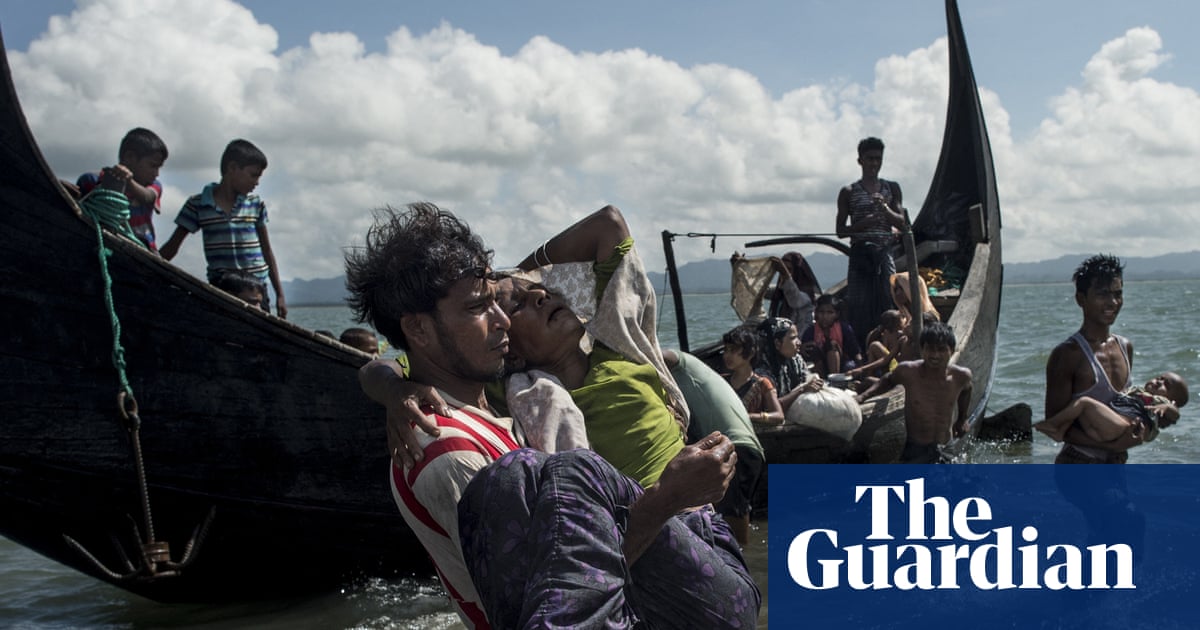
The International Court of Justice ruled that Myanmar committed genocide against the Rohingya minority, ending a seven-year case. A majority of nine of 15 judges found intent to destroy a substantial part of the group during 2016-17 military campaigns that drove more than 700,000 people into Bangladesh.
Key Takeaways
- The ICJ found Myanmar committed genocide against the Rohingya, its first ruling holding a state responsible for genocide.
- President Yuji Iwasawa said judges were convinced of intent to destroy a substantial part of the Rohingya population.
- The court called for reparations, safe return of refugees, and investigation of wrongdoing by security forces.
- The Gambia brought the case in 2019 over the 2016-17 Rakhine state crackdown that sent hundreds of thousands to Bangladesh.
What did the world’s top court decide on Myanmar?
In a judgment read in The Hague, ICJ President Yuji Iwasawa said a majority of nine judges on the 15-seat court found that “the Republic of the Union of Myanmar has committed genocide against the Rohingya.”
According to The Guardian, the court said it was “fully convinced” Myanmar committed acts under the genocide convention with intent to destroy a substantial part of the Rohingya population. DW reported the panel also found breaches of obligations to prevent and not to commit genocide, plus other specific violations by majority votes.
Iwasawa said the only reasonable inference from the evidence was an intention to destroy a substantial part of the Rohingya population in northern Rakhine State. The reading lasted more than two hours in the Great Hall of Justice.
Why does the ICJ genocide ruling matter now?
Genocide, defined by a 1948 UN convention after the Holocaust, is harder to prove than war crimes because it requires specific intent to destroy a national, ethnical, racial, or religious group. Legal observers see the Myanmar judgment as a critical test for how states face that charge.
The ICJ cannot enforce its decisions, but they are considered binding and carry diplomatic weight that can shape sanctions and other international action. The ruling also ends a seven-year legal battle begun when The Gambia filed the complaint in 2019 on behalf of survivors.
More than 1 million Rohingya still live in camps in Bangladesh, the world’s largest refugee settlement, while fewer than 600,000 are estimated to remain in Buddhist-majority Myanmar. For wider BlasterPost coverage across desks, see our Luxury Real Estate & Dream Homes category hub alongside world news updates.
What must Myanmar do after the genocide finding?
Iwasawa called for Myanmar to provide reparations and restitution where possible, including allowing the safe return of Rohingya to their homes, returning or replacing property, and offering physical and mental rehabilitation. The court also urged measures to investigate and, if necessary, prosecute individual wrongdoing by nationals and security forces.
Judges rejected Myanmar’s claim that the 2016-17 “clearance operations” were primarily counter-terrorism. The court cited killings of civilians, sexual violence, extreme violence against children, and attacks on people as they fled. It also found measures restricting births, including limits of two children per Rohingya family, and sexual violence used to impair willingness and ability to procreate.
Myanmar has denied genocide, saying it targeted a militant group. Leader Min Aung Hlaing, who headed the military during the attacks, faces a pending ICC arrest warrant on crimes-against-humanity allegations. The ICJ prosecutes states; the ICC prosecutes individuals.