The Murder Detective review: is justice for Lyra McKee impossible?
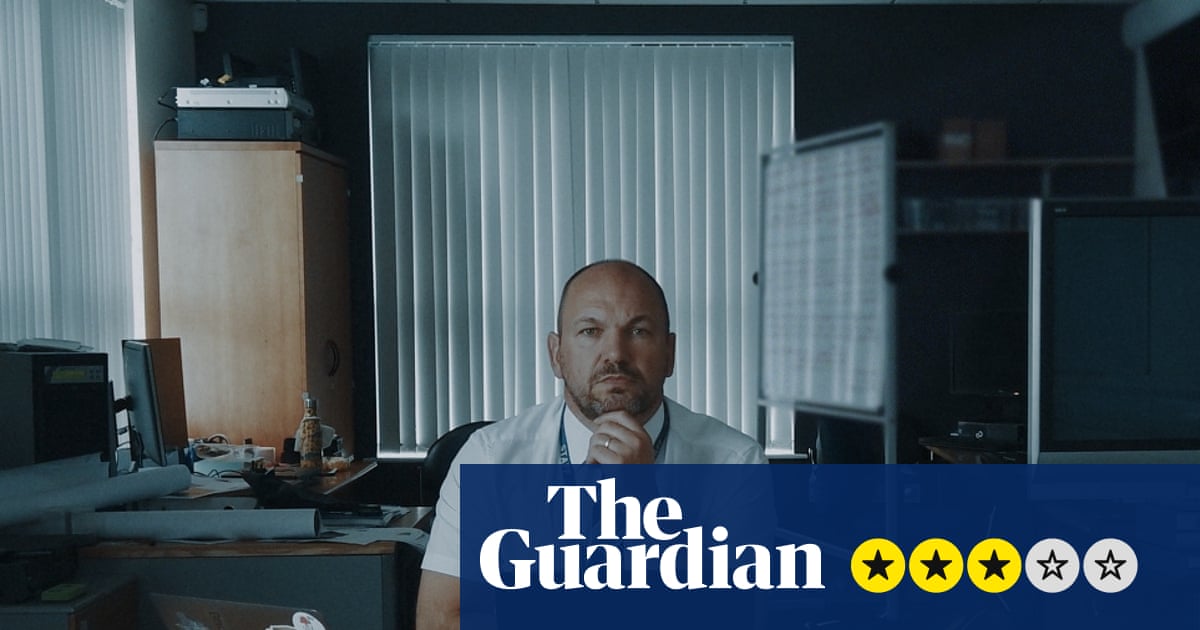
The Murder Detective suggests justice for Lyra McKee remains tragically elusive. James W Newton's three-part Channel 4 documentary follows PSNI Detective Jason Murphy as he hunts the killer of the journalist, shot in Derry in April 2019. Despite CCTV evidence and raids on suspected New IRA members, the case is still officially unsolved after recent acquittals.
Lyra McKee was killed on 18 April 2019 while observing a riot in the Creggan area of Derry, Northern Ireland. A member of the republican paramilitary group the New IRA fired the weapon; that is not in question. Yet last month, three men were found not guilty of her murder after a two-year trial, and so far there has been only one conviction—for possessing the gun that killed her.
Key Takeaways
- Lyra McKee's 2019 killing in Derry remains officially unsolved despite a major PSNI investigation.
- The Murder Detective grants unprecedented access to Detective Jason Murphy's terror-related murder probe.
- Unaired MTV footage shot by Reggie Yates during the riot is the documentary's most remarkable discovery.
- Police face violent intimidation and resolute silence in a community where many likely know the shooter.
- Reviewers find the series gripping on human terms but bleak on resolution for McKee's family.
What happened to Lyra McKee in April 2019?
McKee, 29, was standing near police when shots were fired during unrest in Creggan. CCTV shows armoured vehicles surrounded by petrol bombs, a stolen truck torched at a junction, and a figure in a hoodie, mask and striped Adidas tracksuit bottoms firing a pistol. She was not deliberately targeted—simply caught in crossfire aimed at officers.
Many of the roughly 150 people within metres of the shooter must know his identity. In a part of Northern Ireland where police work is still met with violent intimidation or resolute silence more than 25 years after the Good Friday agreement, that silence has stalled justice. For more on cases like this, see our True Crime & Unsolved Mysteries hub.
What makes The Murder Detective different from other true crime shows?
Filmmaker James W Newton secured unprecedented behind-the-scenes access to a terror-related murder investigation by the Police Service of Northern Ireland. The series focuses on Detective Jason Murphy rather than McKee herself, following raids on suspected New IRA members and hushed meetings with concealed MI5 agents.
Murphy's team works almost entirely from CCTV. Frame-by-frame analysis reveals a documentary camera operator in the background—which leads to the case's strangest quirk. When the riot began, TV presenter Reggie Yates was filming an MTV documentary about Saoradh, the political wing of the New IRA. Murphy commandeers those tapes, and the unaired footage becomes by far the most remarkable part of the series.
Why is justice for Lyra McKee still so hard to achieve?
Yates's material shows him inside cars and houses of men Murphy suspects have close links to New IRA leaders, phones flashing Facebook alerts that police are nearby. He eventually withdraws after a local person suggests the riot may be happening only because he is there; he is not present when the shots are fired.
Yet beyond that scoop, The Murder Detective struggles to turn an agonisingly unsatisfactory situation into satisfying journalism. Murphy arrests and interviews increasingly senior suspected New IRA members, but all refuse to speak—making each interrogation less compelling than the last. Three men were acquitted last month; only one person has been convicted, for possessing the murder weapon.
Does the documentary do justice to Lyra McKee's story?
More memorable than the police work are scenes with McKee's grieving family, particularly her sister Nichola Corner, described as raging and focused outside Belfast crown court. McKee's journalism—she wrote about young men left behind in a supposedly peaceful post-Troubles Northern Ireland—is only briefly explored.
Reviewers across The Guardian, The Times and The Irish Times praise the series as gripping and emotional, yet note it watches police bang their heads against the same wall. The New IRA hides behind young male recruits, but the film does not deeply analyse the socioeconomic factors McKee herself documented. Justice for Lyra McKee, reviewers agree, remains tragically elusive.