Moscow drone strikes reopen debate on 'morale bombing' ethics
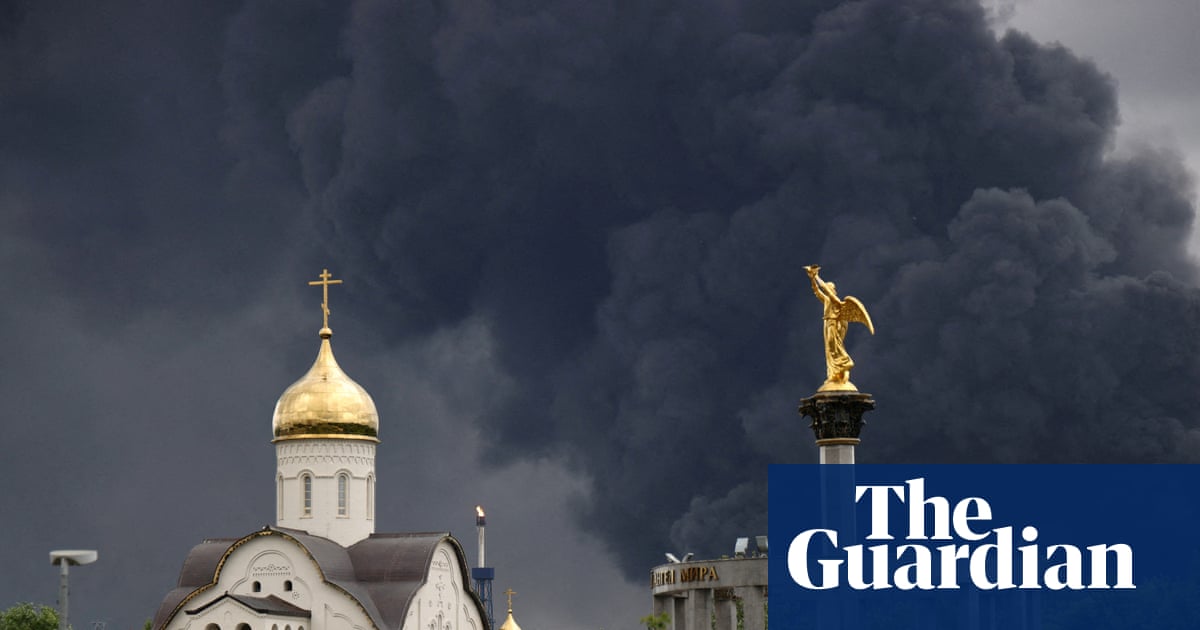
Ukraine's escalating drone warfare against Russian energy targets is drawing fresh ethical scrutiny after a Guardian letter argued that deliberately frightening Moscow civilians through so-called morale bombing is morally unjustified, even as Kyiv's Security Service struck a key fuel hub supplying the capital again on 27 June.
Key Takeaways
- Professor Christian Enemark says morale bombing Moscow residents could undermine the legitimacy of Ukraine's self-defensive war.
- On 27 June, Ukraine's Security Service hit the Vtorovo oil pumping station in Vladimir Oblast for the second time this month.
- The Vtorovo hub pumps diesel to Moscow's ring pipeline, major depots, and Baltic export routes.
- The 18 June Moscow raid mainly targeted an oil refinery but also caused civilian injuries and property damage.
- The Financial Times has framed intensifying strikes as Moscow confronting the consequences of Vladimir Putin's war.
What did Ukraine strike near Moscow on 27 June?
According to Ukrainska Pravda, the Security Service of Ukraine (SSU) struck Russia's Vtorovo oil pumping station for the second time in June. Special Group Alpha targeted the pipeline control station in Vladimir Oblast.
The SSU said the facility is part of Transneft-Upper Volga JSC and serves as a logistics hub for pumping light petroleum products to export ports and domestic consumers. Diesel flows through the station into the Moscow Ring Oil Products Pipeline and onward to major oil depots around the capital. It also feeds exports via Baltic Sea ports.
Early SSU reports indicated drones hit the facility's technical buildings. The same station was previously attacked on 10 June, underscoring a sustained campaign against fuel infrastructure deep inside Russia.
Why is morale bombing Moscow considered unjust?
In a letter published by The Guardian on 25 June, Professor Christian Enemark of the University of Southampton challenged the ethics of using drone warfare to unsettle ordinary Russians.
Enemark noted that Ukraine's largest-ever drone attack on Moscow on 18 June apparently focused on an oil refinery on the city's edge, but also caused civilian injuries and damage to private property. He argued it is reasonable to suspect broader intent when President Volodymyr Zelenskyy speaks of bringing the war closer to ordinary Russians.
The professor contends that deliberately increasing civilians' sense of insecurity to pressure Vladimir Putin is inherently unjust. Russian civilians, unlike combatants, are not morally liable to attack because they lack the capacity to pose a military threat. Enemark stressed that two wrongs do not make a right: although Russia has repeatedly targeted Ukrainian civilians since its 2022 invasion, Ukraine still has a duty to avoid deliberately harming innocents.
How is drone warfare reshaping the war's impact on Moscow?
The Financial Times framed the growing tempo of strikes as Moscow getting a taste of Vladimir Putin's war. Alongside the 18 June refinery raid, repeated hits on pipeline nodes such as Vtorovo show Kyiv pressing Russia's fuel logistics from long range.
Strikes like those on Vtorovo target strategic chokepoints rather than residential blocks. The SSU describes the station as a key hub linking refineries, Moscow-area depots, and export routes. For markets tracking energy security and geopolitical risk, the pattern matters beyond the battlefield.
Readers following defence-tech and sanctions-driven disruption can find related coverage in our Fintech & Crypto Alerts section, where long-range strike economics increasingly intersect with global fuel and security markets.
What could happen next?
Enemark warned that morale bombing has the potential to undermine the legitimacy of Ukraine's otherwise just cause of self-defence. Kyiv, meanwhile, continued deep strikes on energy infrastructure with the 27 June Vtorovo attack.
With Vtorovo hit twice in June alone, the campaign appears designed for cumulative pressure rather than one-off spectacle. Whether that strategy shifts Russian policy or deepens the ethical debate over drone warfare targeting cities will depend on what comes next from both capitals.