Morocco won the battle for Dutch-born World Cup talent
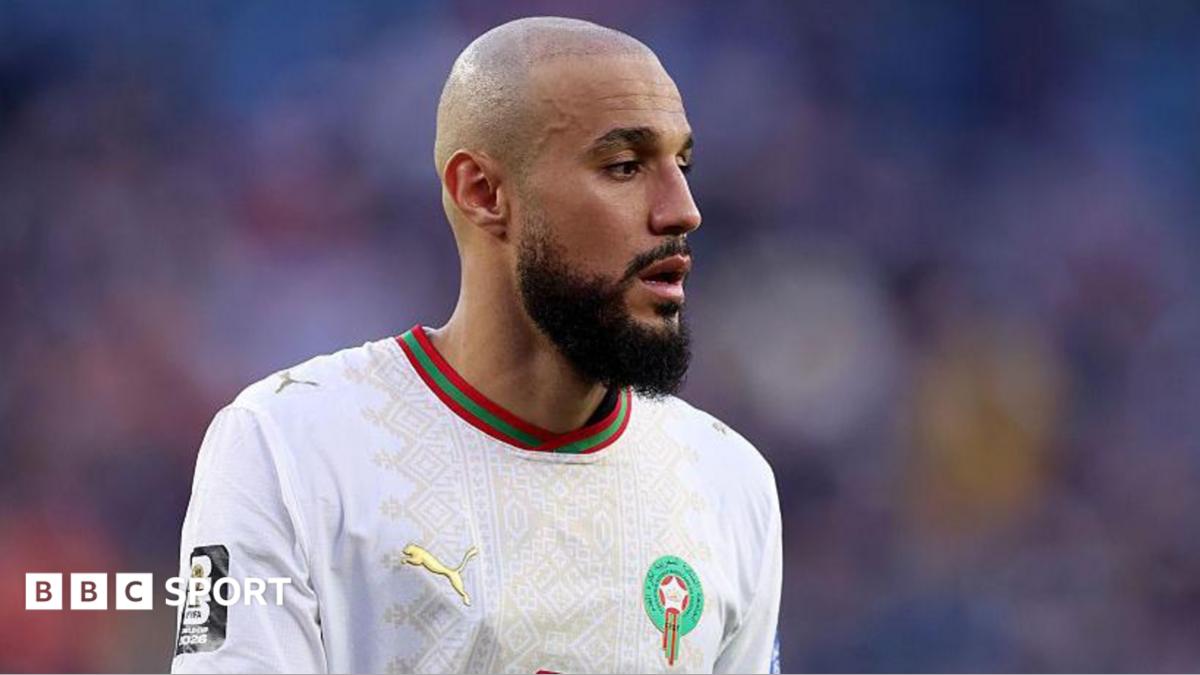
Morocco has reshaped the Morocco Netherlands football rivalry by proactively recruiting Dutch-born dual nationals through early scouting, family outreach, and a long-term sporting vision—turning the Netherlands from the default choice for players of Moroccan heritage into a competitor facing its own academy graduates at the 2026 World Cup last 32 in Monterrey.
Key Takeaways
- Morocco's 26-man squad includes 19 players born outside the country, many developed in the Dutch system.
- The Royal Moroccan Football Federation scouts dual nationals across Europe years before senior call-ups.
- Netherlands and Morocco meet unbeaten in Monterrey—only last-32 tie between two seven-point group winners.
- Stars such as Hakim Ziyech and Noussair Mazraoui chose Morocco after coming through Dutch football.
- The fixture marks a reversal from 1994, when the Netherlands beat Morocco 2-1 in their first official meeting.
Why does the Morocco Netherlands clash matter beyond football?
When the Netherlands face Morocco in the World Cup 2026 last 32 at Estadio BBVA in Monterrey on 29 June, the stakes extend past a place in the quarter-finals. Both sides arrived unbeaten with seven group-stage points—the Netherlands topping Group F with 10 goals, Morocco finishing behind Brazil only on goal difference in a group containing Scotland and Haiti.
According to the BBC, few fixtures at this tournament capture migration, identity and heritage more completely. The Guardian noted it is the only last-32 tie involving two teams on seven points who entered the tournament inside FIFA's top 10.
How did Morocco win the battle for Dutch-born talent?
For decades, Dutch-born footballers of Moroccan heritage were assumed to choose Oranje if good enough. Dries Boussatta became the first to represent the Netherlands in 1998; Morocco never approached him. Players such as Khalid Boulahrouz and Ibrahim Afellay still chose the Netherlands in later years.
Morocco's shift was structural. More than a decade ago, the Royal Moroccan Football Federation deployed scouts across France, Belgium, Spain and the Netherlands—not merely to watch prospects, but to build relationships with players and families long before senior football. Former technical director Pim Verbeek said family often shaped decisions as much as football.
Hakim Ziyech's switch crystallised the change. Born in Dronten and developed in the Dutch system, he received a Netherlands senior call-up in 2015 but chose Morocco after feeling overlooked. "I've always felt Moroccan," he said. "You choose with your heart." Others followed: Noussair Mazraoui from Leiderdorp via Ajax, Sofyan Amrabat from Huizen, Anass Salah-Eddine, and Ismael Saibari, educated at PSV Eindhoven.
What does Morocco's diaspora-heavy squad look like in 2026?
Almost one in four players at World Cup 2026 was born outside the country they represent. Nineteen of Mohamed Ouahbi's 26 Morocco players were born abroad. Against Brazil, Morocco became the first team in World Cup history to field an entire starting XI born abroad when Moroccan-born Azzedine Ounahi was substituted.
For the knockout tie, The Guardian reported Mazraoui back at left-back and teenage midfielder Ayyoub Bouaddi in the XI. Ismael Saibari joined Vinícius Júnior and Lionel Messi as one of three players to score in all three group games. Ronald Koeman opted for a back five to counter Achraf Hakimi, who won his 100th cap in the fixture.
Why does this mirror wider global talent competition?
Thirty-two years after Dennis Bergkamp inspired a Dutch victory over Morocco at the 1994 World Cup—their first official meeting—the dynamic has flipped. The Netherlands remain elite exporters of talent; Morocco have become sophisticated recruiters. As cross-border competition intensifies in sport and markets alike, follow developments in our Fintech & Crypto Alerts section.
Perhaps Morocco's greatest achievement is cultural as much as tactical. The question is no longer why a Dutch-born footballer would choose the Atlas Lions. Increasingly, as the BBC notes, it is why anyone assumes they would choose differently.