Cooper and Whatley clash on immigration enforcement
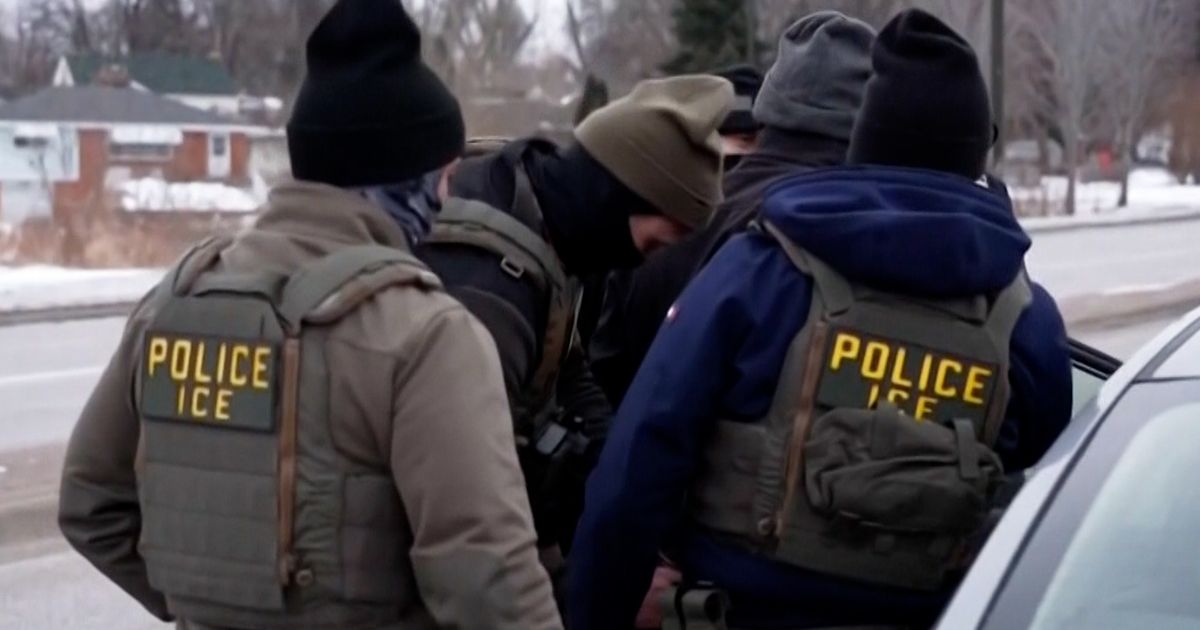
Republican Michael Whatley and Democrat Roy Cooper are clashing over how to focus U.S. immigration enforcement in North Carolina's 2026 Senate race. Whatley backs President Donald Trump's aggressive crackdown and mandatory sheriff cooperation with ICE, while Cooper demands agent accountability and targeted action against violent criminals—not broad raids that have detained American citizens.
Federal immigration officials arrested 50,000 people on immigration charges in July, the highest monthly total so far in Trump's second term, according to WRAL. With roughly 1 million immigrants estimated to live in North Carolina, the issue has become a central fault line in one of the nation's most closely watched Senate contests.
Key Takeaways
- Michael Whatley campaigned Friday in Pitt County, pledging to fund border agents and vote for Trump's immigration agenda.
- Roy Cooper supports secure borders but says ICE must face accountability after dozens of deaths in shootings or custody.
- Cooper vetoed three bills requiring sheriffs to honor ICE detainers; Whatley argues those vetoes let violent offenders flee.
- Cooper backed a bipartisan 2024 border security bill that Whatley, then RNC chair, helped block.
- Both candidates say they want secure borders, but their enforcement strategies diverge sharply ahead of the midterms.
What did Michael Whatley say at his Pitt County event?
Whatley held a press conference Friday at the Ayden Golf and Country Club, joined by Beaufort County Sheriff Scott Hammonds and Paul Perez, president of the National Border Patrol Council. "When it comes to our communities, when it comes to our kids, we need to fight to take the criminals off the streets," Whatley said, according to WITN.
Whatley told Perez he would fight for Border Patrol funding and supporting legislation. At a separate roundtable, he was flanked by women who lost family to crimes committed by immigrants or to opioid overdoses, which he linked to immigration—though U.S. Sentencing Commission data shows about 86% of people convicted of fentanyl trafficking from 2019 to 2023 were U.S. citizens.
Why does Roy Cooper oppose mandatory sheriff cooperation with ICE?
Three times as governor, Cooper vetoed bills that would have forced North Carolina sheriffs to cooperate with ICE and hand over inmates suspected of immigration violations. Cooper said the measures were unconstitutional, exposed sheriffs to lawsuits, and diverted them from local duties.
Whatley argues those vetoes allowed arrested immigrants to bond out and flee. Chris Storie, injured in a 2011 Outer Banks crash that killed her brother, spoke at Whatley's event about a driver who was released on bail and left the country before trial.
How do the candidates differ on enforcement strategy?
Cooper has not called for abolishing ICE, but wrote that agents are "killing and detaining American citizens, including people with no criminal records and it must stop." He says Border Patrol and ICE should deport violent criminals here illegally while securing borders.
Whatley, endorsed by Trump, pledged to vote for the president's immigration priorities and maintain that approach after Trump leaves office. Despite $170 billion in added enforcement funding, ICE has made roughly 610,000 arrests since Trump returned to office, with frequent reports of legal immigrants and U.S. citizens wrongfully detained.
What happened to the bipartisan border bill Cooper supported?
As governor in 2024, Cooper backed Senate legislation that would have increased border security funding, created pathways to legal status, and tightened asylum standards. Trump pressured Republicans to reject the package during his campaign, and Whatley—then Republican National Committee chairman—helped torpedo it.
Cooper's campaign told WRAL Friday that "Roy Cooper believes our country must have a secure border and was a strong supporter of the toughest border security bill in decades that Michael Whatley opposed." With just over two months before the midterms, the immigration fight is shaping voter choices across the state. Track related policy and funding shifts in our Fintech & Crypto Alerts hub.