Meteorite that hit New Jersey home holds life's building blocks
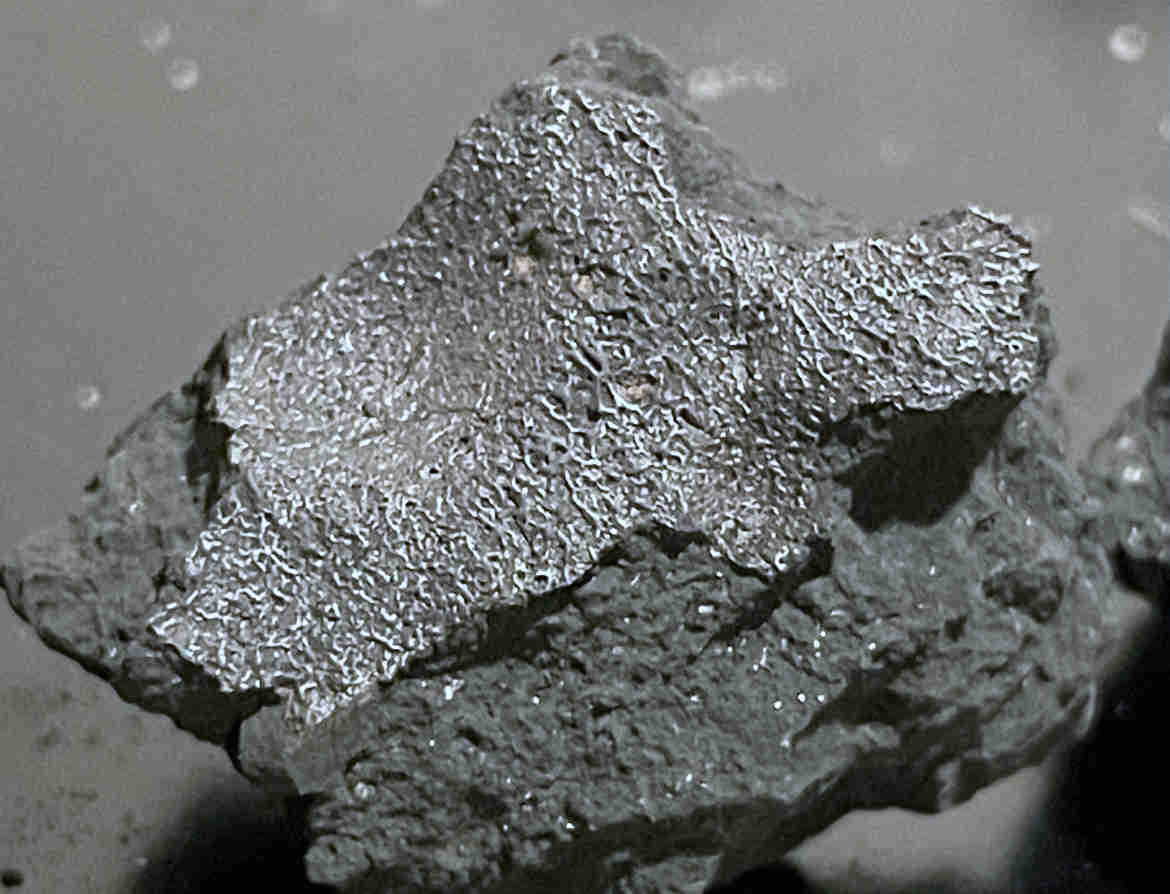
A rare meteorite that smashed through a Hillsborough, New Jersey home on July 16, 2024, contains amino acids and other prebiotic molecules from ancient asteroid brines, scientists report. The Hillsborough meteorite is only the second observed fall of a CM1/2 carbonaceous chondrite and ranks among the most scientifically valuable meteorites ever recovered.
Key Takeaways
- The Hillsborough meteorite tore through a New Jersey roof after a daytime fireball rattled the New York area on July 16, 2024.
- It is a rare CM1/2 carbonaceous chondrite—only the second witnessed fall of that type—and arrived in unusually pristine condition.
- Lab work found salts, amino acids, and other prebiotic organics linked to concentrated brines on its parent asteroid.
- Findings, published in Science Advances, add evidence that similar rocks may have delivered life's building blocks to early Earth.
According to the SETI Institute, the rock weighed more than two pounds and struck after a meteor passed just south of the Statue of Liberty with a sonic boom. The homeowner smelled sulfur, found black fragments on his bed and carpet, and immediately bagged pieces in foil and glass jars—preserving chemistry that usually weathers away.
For readers tracking space discoveries and lab breakthroughs, more coverage lives in our Future Tech & AI Wonders section.
What made this New Jersey meteorite so rare?
Researchers classified Hillsborough as a CM1/2 carbonaceous chondrite, an intermediate type between CM1 and CM2. It is the 22nd observed CM-type fall, but only the second CM1/2 witnessed after Indonesia's Kolang meteorite in 2020. Lead author Peter Jenniskens of the SETI Institute and NASA Ames said fragments preserved near-surface asteroid material altered by concentrated salty fluids—a process not previously known for this protoplanet type.
Cameras in Connecticut, Pennsylvania, and a Wayne, New Jersey doorbell helped the American Meteor Society map a path back to the low asteroid belt. The rock entered at about 32,000 mph, broke up around 22 miles altitude, and left a radar-detected pebble cloud from Staten Island into New Jersey.
Why do scientists call it alien world chemistry?
Forensic analysis found salt-rich CM1 bits suggesting evaporation of liquid water near the asteroid's surface—chemistry akin to briny signatures in samples from Ryugu and Bennu. Brines can keep phosphate in solution and catalyze organic reactions. The meteorite held about 1.8% carbon and 0.07% nitrogen by weight, plus soluble organics including many amino acids.
Astrobiologist Danny Glavin of NASA Goddard and colleagues concluded that amino acids, carboxylic acids, and related molecules likely formed on the parent body with help from brine chemistry, then could have seeded Earth's prebiotic inventory.
Where will the Hillsborough meteorite samples go next?
Some fragments will be curated at the American Museum of Natural History in New York. Curator Denton Ebel called the delivery a precious asteroid sample on the museum's doorstep. Scientists are still identifying the salt minerals for comparison with returned asteroid samples, sharpening how we read water-driven chemistry on ancient worlds.