Metallica’s £20,000 Cardiff foodbank boost after gig
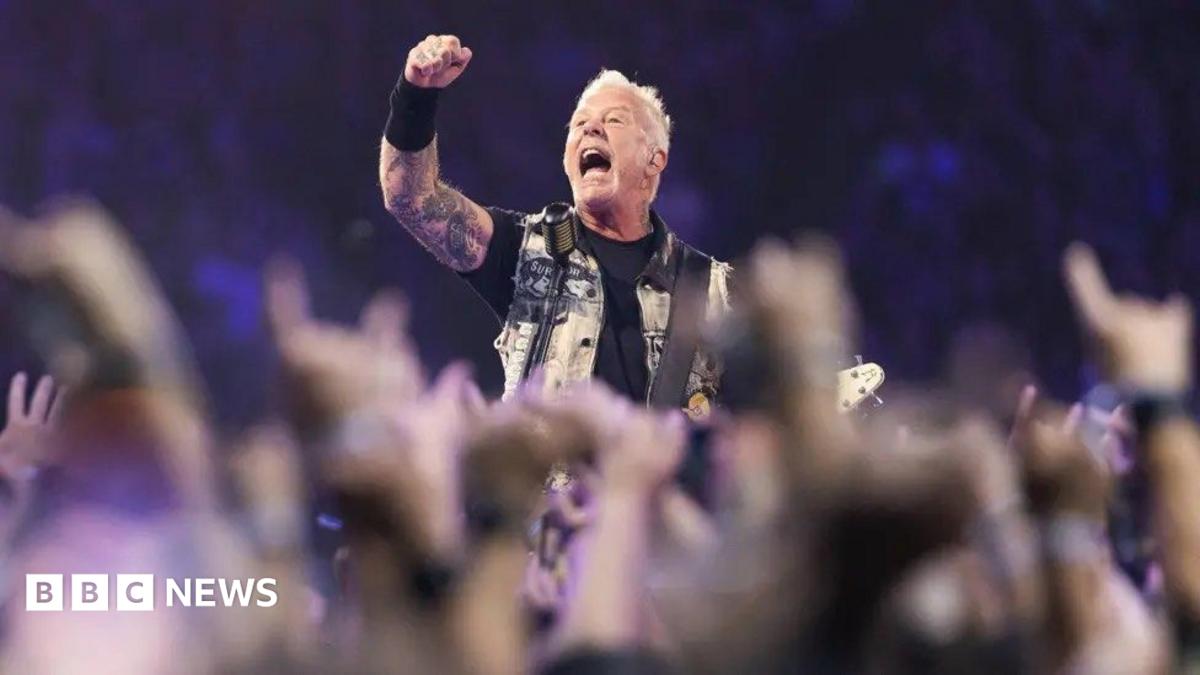
Metallica has made a £20,000 Cardiff Foodbank donation after a sell-out Principality Stadium gig, helping restock “empty shelves” and funding an estimated 9,000 meals. The gift matters because the charity says food donations have fallen while need remains high, leaving its warehouse unusually bare.
Key Takeaways
- Metallica donated £20,000 to Cardiff Foodbank via the band’s All Within My Hands foundation.
- The charity said the money would help replenish “empty shelves” after warning its warehouse was unusually empty.
- Cardiff Foodbank said food donations were down 27% while demand was similar to last year.
- The band’s Cardiff show drew tens of thousands, with city-centre road closures and extra train services.
Why did Metallica make a Cardiff foodbank donation?
According to the BBC, Metallica donated £20,000 to Cardiff Foodbank ahead of their Sunday night show at the Principality Stadium, with the charity estimating it would buy about 9,000 meals for people in need. The donation was made through Metallica’s charitable foundation, All Within My Hands.
Cardiff Foodbank’s chief executive, Rachel Biggs, told the BBC the charity received an email confirming the offer and was told the foundation would donate £20,000. She described it as “an incredible amount of money” that would make a significant difference.
For readers following how major cultural moments ripple into real-world impact, we’re tracking more stories like this in our Future Tech & AI Wonders section—especially where large-scale events, logistics, and community needs collide.
What did Cardiff Foodbank say about its “empty shelves”?
Two weeks before the concert, Cardiff Foodbank appealed for donations on social media, saying it was “very worried” because it had never seen the “warehouse so empty,” the BBC reported. Biggs said the charity’s shelves were reflecting a difficult trend: fewer donations coming in while the number of people needing support stayed broadly the same.
She told the BBC that, compared with last year, demand was similar but food donations had dropped by 27%. She also estimated the charity’s running costs for the year would be £700,000, adding that cost-of-living pressures affect both the organisation and the people who typically donate.
Cardiff Foodbank supports about 20,000 people a year, the BBC said, and operates eight centres across the city as well as a mobile service delivering pre-packaged bags.
More details are in the BBC’s report: Metallica donation to Cardiff Foodbank.
How did the sell-out Cardiff gig affect the city?
Metallica’s Cardiff stop formed part of the band’s record-breaking M72 World Tour, which the BBC said has extended into its fourth year and has been seen by millions of fans. In Cardiff, the BBC reported that tens of thousands of fans were expected, triggering major city-centre road closures around the Principality Stadium and additional train services to manage demand.
The Wales Online review framed the concert as a long-awaited return: Metallica had not played in Cardiff since 1996. The review described the band taking over the stadium with a ring-shaped, in-the-round stage and closing with major crowd favourites including “Master of Puppets” and “Enter Sandman.”
That scale—packed stadium, transport plans, and a city geared for a huge influx—helps explain why a targeted, local donation can land with extra force: it arrives at the exact moment attention is highest.
What happens next for the foodbank after the donation?
Biggs told the BBC the donation would allow the charity to place a bulk order and replenish stock, helping it plan ahead for the rest of the year. Volunteers also told the BBC the money arrived at a much-needed time.
One volunteer, Eddie Cawston, who had tickets for the show, said it showed people who can make a difference are prepared to do so. Another volunteer, Vivian Horwood, told the BBC the donation showed the band was thinking about people less fortunate than themselves.
In a week when tens of thousands gathered for one night of music, the most lasting echo may be practical: fuller shelves, more meals, and a community reminded—at maximum volume—that help can move fast when it’s mobilised.