Meet the startup helping Wall Street price AI compute
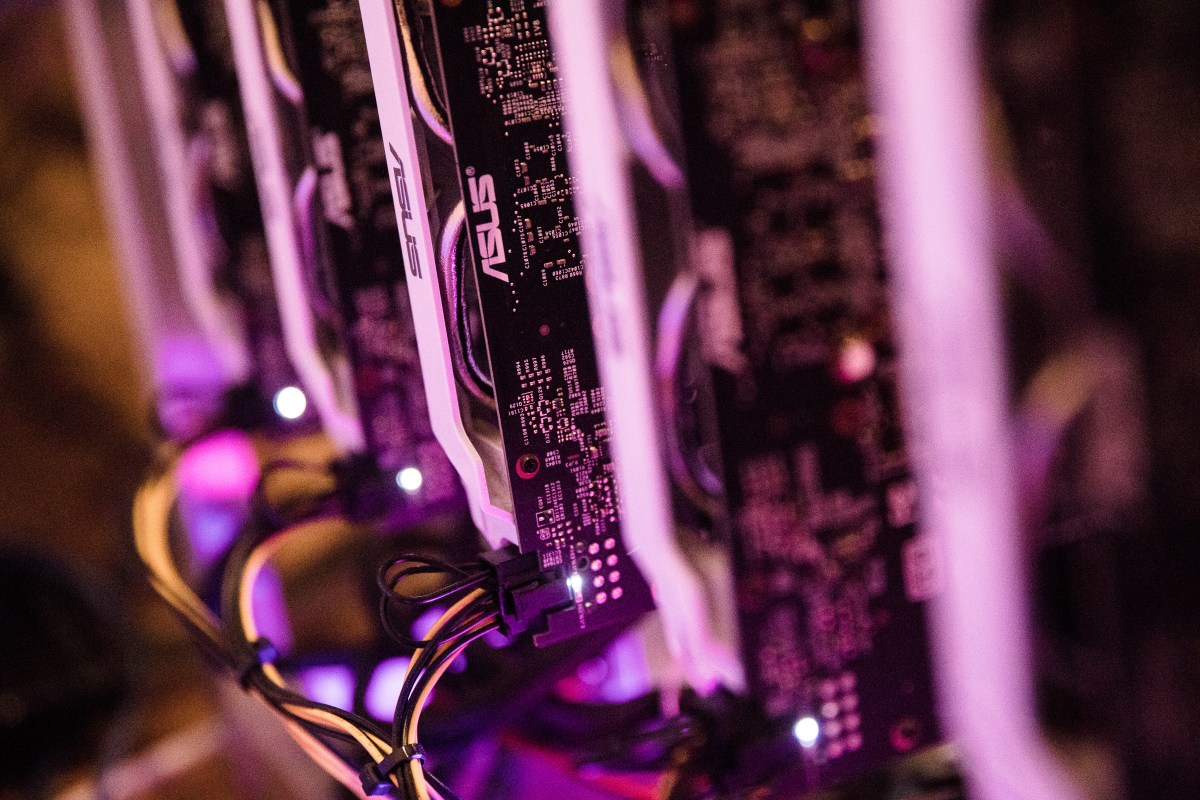
Meet the startup helping Wall Street put a price on AI compute: Silicon Data closed a $30 million Series A to build a reference price for GPU rental and an index that futures contracts could settle against, with compute futures targeted for CME launch on October 5, pending regulatory approval. As AI infrastructure spending accelerates, the company aims to give investors and builders a way to benchmark—and hedge—one of tech's fastest-growing costs.
Hundreds of billions of dollars flow into data centers and GPUs each year, and compute has become the single biggest cost for companies building AI products. Yet despite that scale, there still is not a straightforward way to put a price on compute—or for firms to hedge when those costs shift.
That gap is what Silicon Data is trying to close. The startup wants to become the go-to reference for GPU rental pricing and the benchmark behind a Wall Street futures contract tied to compute costs.
Key Takeaways
- Silicon Data raised $30 million in Series A funding to standardize GPU rental pricing.
- The startup plans compute futures on the CME, with a target launch date of October 5, pending approval.
- Compute is now the largest expense for many AI product builders as data-center spending surges.
- Silicon Data's research suggests the AI buildout remains healthy despite headlines about chip depreciation.
Why does AI compute need a market price?
The AI buildout shows no signs of slowing. With massive annual investment in data centers and GPUs, compute has moved from a back-office line item to a strategic expense that can make or break AI product economics.
Without a transparent reference price, companies struggle to compare costs across providers, forecast budgets, or protect themselves when rental rates spike. A standardized index could give Wall Street and enterprise buyers a shared language for one of the AI era's most volatile inputs.
What is Silicon Data building?
Silicon Data's core product ambition is twofold: establish the reference price for GPU rental and publish an index that a futures contract would settle against. That would let firms treat compute somewhat like commodities—priced in real time and hedgeable through established exchanges.
Steve Hou, head of research at Silicon Data, discussed the company's roadmap on TechCrunch's Equity podcast, alongside host Rebecca Bellan. The episode explores how pricing infrastructure could reshape how capital flows into AI infrastructure.
When could compute futures start trading?
Silicon Data plans to launch compute futures trading on the Chicago Mercantile Exchange (CME) on October 5, though the timeline depends on regulatory approval. If approved, the contract would mark a milestone: Wall Street could trade exposure to GPU rental costs the same way it trades energy or agricultural commodities.
For hedge funds, cloud providers, and AI labs alike, that kind of market could offer new tools for risk management in a sector where hardware cycles and demand swings move quickly.
What does the data say about the AI buildout?
Headlines about depreciating chips and stalled data centers have fueled skepticism about AI infrastructure spending. Silicon Data's research paints a different picture, suggesting the buildout remains robust even as the narrative turns cautious.
Understanding that divergence matters for anyone tracking where the next wave of AI investment lands. For more coverage of infrastructure, pricing, and emerging AI markets, browse our Future Tech & AI Wonders hub.