Maps show wildfire smoke relief, then more haze this week
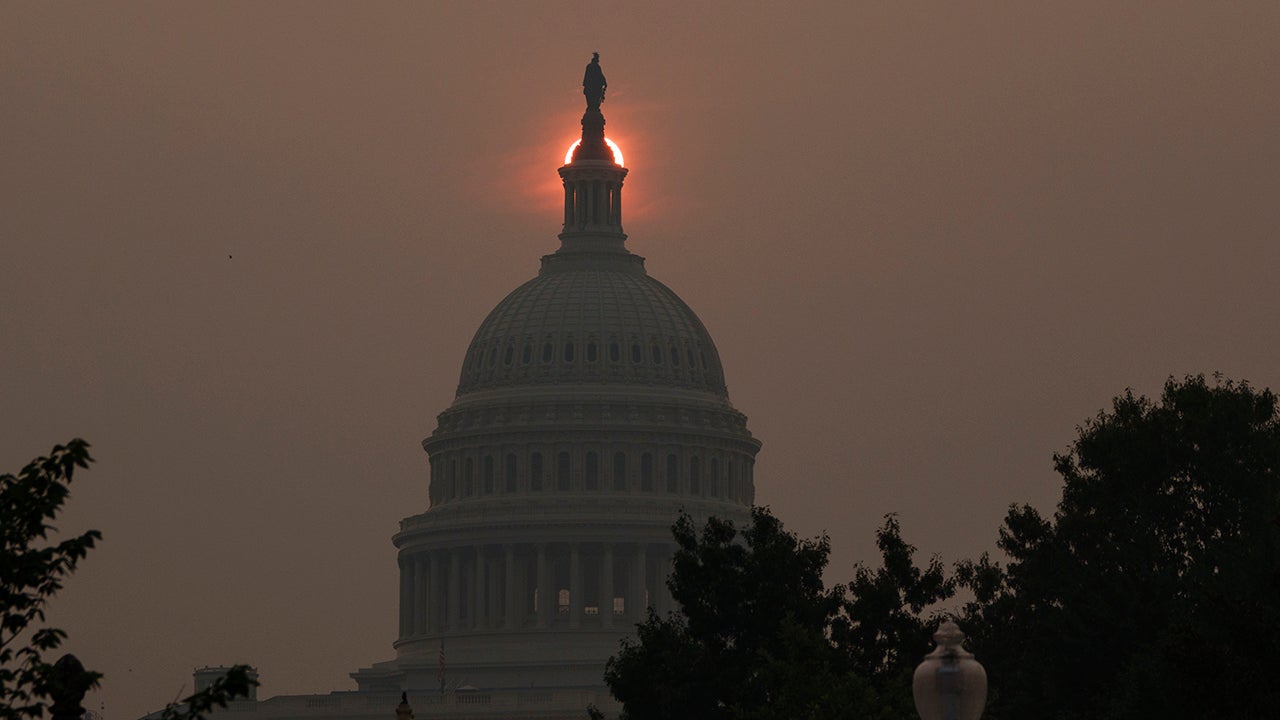
Wildfire smoke across the Midwest and East briefly eased after weekend storms scrubbed some particles, but forecast maps show fresh plumes returning Sunday into the Great Lakes and again midweek from Canadian and Minnesota fires, keeping outdoor air quality unhealthy for many. Check EPA AirNow maps before you head outside.
Key Takeaways
- Saturday storms offered short-lived relief in parts of the Ohio Valley and Northeast.
- Another smoke wave is diving into the western Great Lakes Sunday, then the Ohio Valley, Northeast, and mid-Atlantic.
- Chicago woke up Sunday near AQI 156—far better than Thursday’s peak near 747—but still unhealthy for all.
- Models point to a third round from Tuesday that could reach the Northeast and parts of the South by midweek.
- Code purple “very unhealthy” air hit cities including Washington, D.C., Detroit, Cleveland, and Pittsburgh on Friday.
Why did air quality improve for a moment?
Showers and thunderstorms that swept the Ohio Valley and Northeast on Saturday helped wash smoke particles out of the air in some places, according to The Weather Channel.
That break is temporary. Smoke from Canada and northeast Minnesota is already returning. In Chicago, ABC7 reported an Air Quality Alert through Sunday, with the National Weather Service extending alerts into Monday for parts of northwest Indiana.
Chicago’s Sunday AQI near 156 is unhealthy for everyone, yet far milder than Thursday’s extreme reading around 747. Meteorologists say wind shifts Monday could help locally, though a smoke watch covers much of the week.
Where do the maps show the next smoke waves?
Surface smoke maps and EPA AirNow forecast dots for Sunday, July 19, highlight dangerous air across parts of the Midwest, with alerts also covering areas of Upstate New York.
HRRR model maps show another plume diving south into the western Great Lakes on Sunday, then sweeping into the Ohio Valley and potentially parts of the Northeast and mid-Atlantic. A third round may nosedive through the upper Midwest beginning Tuesday, reach the Northeast around Wednesday, and push into parts of the South Wednesday and Thursday.
For readers tracking how forecast tools and satellite data shape these outlooks, see more coverage in our Future Tech & AI Wonders category.
How bad was the air in major cities?
This smoke event began Wednesday from the northern Great Lakes into the Northeast, including Boston, New York City, and Toronto, then spread Thursday into Friday over the Great Lakes and mid-Atlantic.
On Friday, Cleveland, Columbus, Detroit, Pittsburgh, and Washington, D.C., reported code purple “very unhealthy” air on the EPA index. Late Thursday morning, Detroit, Minneapolis, and Chicago ranked as the world’s three most polluted major cities on IQAir calculations before upper Midwest air improved Friday.
In the D.C. region, WTOP reported a code purple alert for D.C. and Baltimore on July 17 as Canadian and Minnesota fire smoke mixed with heat in the lower to mid-90s. Officials urged people to limit outdoor time; D.C. canceled outdoor activities and closed outdoor pools and spray parks, while Fairfax County canceled recess and outdoor practices.
What should you do while the haze lasts?
Wildfire smoke carries fine particulate matter that can lodge deep in the lungs and enter the bloodstream. Short-term effects include coughing, shortness of breath, scratchy throat, runny nose, and burning eyes; prolonged dense exposure can raise risks of chronic lung issues and heart problems.
At code orange, sensitive groups should limit outdoor time. At code red, purple, or maroon, everyone should stay indoors when possible, exercise inside, and keep pet walks brief. In cars, AAA advises recirculate mode on the A/C. Health experts in Chicago and D.C. also recommend hydration, N95 masks when outdoors, and checking HVAC filters or using portable air cleaners indoors.