Lindsay Clancy trial and pink rallies spotlight psychosis
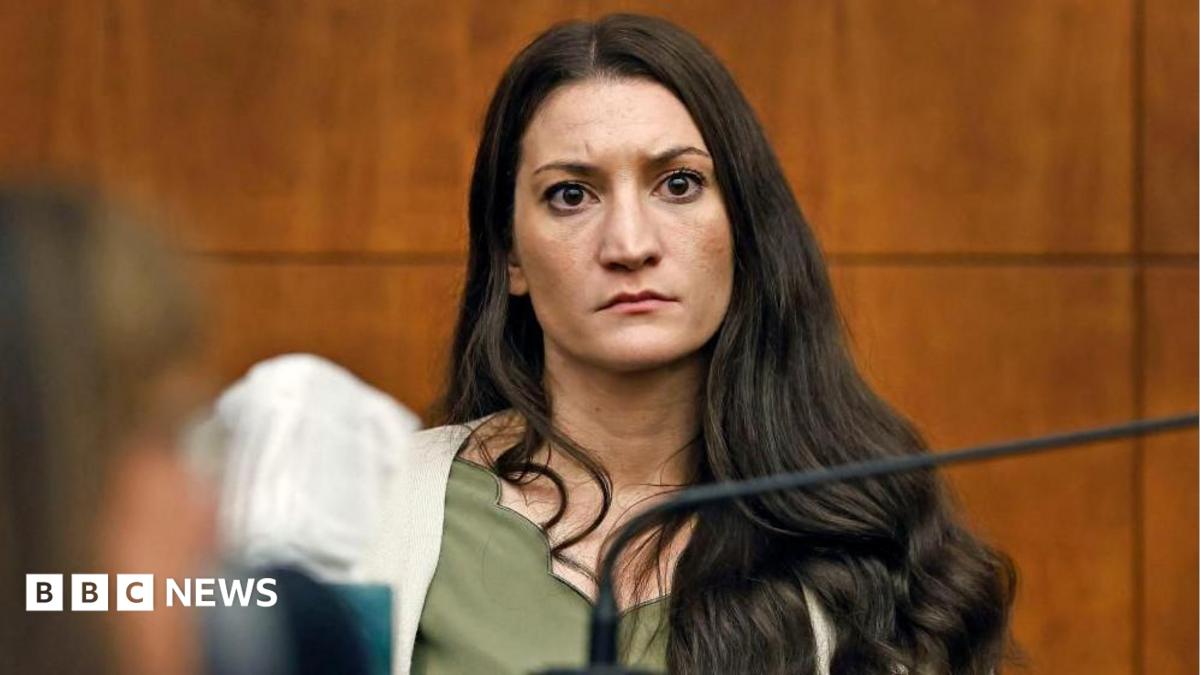
Hundreds of supporters wearing pink gathered outside Plymouth Superior Court as Lindsay Clancy’s murder trial thrust postpartum psychosis into wider public view. Experts say the rare illness still lacks DSM recognition and urge that lasting care reforms follow the attention.
Clancy, 36, is on trial in Massachusetts for the January 2023 killings of her children—Cora, five; Dawson, three; and Callan, eight months. She does not dispute that she carried out the acts but has pleaded not guilty to murder. Her defense argues she was suffering from postpartum psychosis; prosecutors say she made a calculated decision to kill.
The live-streamed case has sparked massive online debate and become a major story in True Crime & Unsolved Mysteries, while experts hope the spotlight leads to better recognition and care.
Key Takeaways
- Clancy’s defense centers on postpartum psychosis; prosecutors allege intentional planning.
- Hundreds in pink rallied outside court, saying women’s mental-health pleas are dismissed.
- Experts told the BBC the treatable illness is still not listed in the DSM-5 handbook.
- Symptoms can appear suddenly and wax and wane, including on the day of a crisis.
What happened around the January 2023 killings?
According to BBC reporting, a month before the killings Clancy told her mother and then-husband she had “thoughts of harming the children.” Her mother, Paula Musgrove, testified that Lindsay would say she had “never been like this before.”
On the day of the killings, her former husband, Patrick Clancy, said she played outside building a snowman and seemed to be having “one of her best days.” When he returned from getting dinner, he found the children dead and Clancy injured after a suicide attempt. Prosecutors say she planned the 24 January 2023 killings and sent him out for medicine and dinner. After strangling the children, she jumped from a second-story window and remains paralyzed from the waist down.
Why is postpartum psychosis central to the defense?
Defense attorney Kevin Reddington argues Clancy suffered from postpartum psychosis—a rare condition linked to stress, sleep deprivation, and hormonal changes after childbirth—and also has bipolar disorder. Clinical and forensic psychologist Paul Zeizel testified she was “unable to conform her behaviour to the rule of law” and had “no appreciation for the wrongfulness of her act.”
Experts describe postpartum psychosis as a medical emergency that can include mania, depression, hallucinations, and delusions. Researchers estimate it afflicts about one to two cases per 1,000 women after delivery; harm or killing of children occurs in an estimated 1% to 4% of cases. A hospital chaplain later testified Clancy alluded to a voice commanding her, saying that if she did not follow it, neither she nor her children would be safe.
What progress do experts and pink-clad supporters want next?
On 20 August 2026, hundreds of supporters—many in pink shirts reading “Believe,” “She Needed Help,” and “Peace For Lindsay”—stood outside Plymouth Superior Court. Organizers and attendees said Clancy’s story resonated because “nobody takes us seriously” when women seek mental-health help.
Specialists told the BBC a major barrier remains: postpartum psychosis is not formally included in the DSM-5. Without that listing, they argue, textbooks, research funding, care systems, and insurance codes lag. Treatment can include lithium, antipsychotics, electroconvulsive therapy, and hospital care, and many women recover—but experts say Clancy’s outcome is very rare, and they want proactive maternal mental-health systems to follow the attention the trial has brought.