The last generation die: Tim Maupin on his XPrize bid
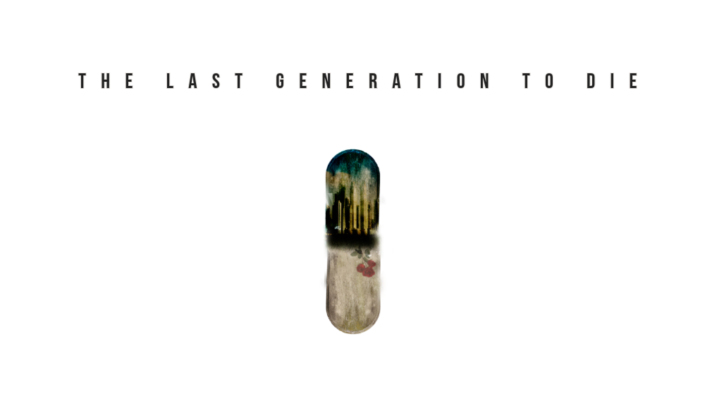
Filmmaker Tim Maupin's near-future longevity drama has climbed into the top 65 of more than 2,500 Future Vision XPrize entries. The last generation die dilemma—who receives the first true rejuvenation therapies, and who is left behind—now faces high-profile judges as the contest narrows toward a $2.6M-plus feature prize. The project, long in development as both a festival short and a planned feature, is one of the rare future-positive films in a genre dominated by dystopia.
Key Takeaways
- Maupin's The Last Generation to Die sits in the Future Vision XPrize top 65 from over 2,500 entries.
- The story turns on unequal access when rejuvenation arrives: one parent is saved, the other is not.
- Judges include Neil deGrasse Tyson, Mira Lane, Neil Stevenson, and Rod Roddenberry.
- Cast interest now includes Ed Harris, Lily Rabe, and Mamoudou Athie.
- Lifespan.io once fiscally sponsored the film; advisors included Keith Comito and Oliver Medvedik.
What is The Last Generation to Die about?
In an interview with Lifespan.io, Maupin describes a near-future plot centered on Lily, a scientist advancing technology that can slow and reverse aging. Her father, Oliver, joins a trial as a last-ditch response to a major heart issue—and it works so well that he begins de-aging.
Meanwhile Lily's mother develops a rare neurodegenerative disease but falls outside the trial's inclusion criteria. Fear of risking the therapy leaves her failing as Oliver improves. A corporate subplot follows company players chasing profits while Lily resists. Maupin calls the tone bittersweet: positive in one register, real and nuanced in another.
He returned to the feature script after his father died in 2019, saying the material became personal as he watches his mother age. For readers following longevity and biohacking, the film stages the access gap many expect when biomedical repair therapies first scale.
Why does the Future Vision XPrize matter for this film?
The contest seeks three-minute sci-fi trailers of an optimistic, abundant human future. The grand prize winner can earn more than $2.6 million to turn a vision into a feature, with over $1 million in runner-up prizes.
Next steps cut the field to a top ten, then a top five who pitch live at a moonshots event where trailers screen and a winner is chosen in the room. Maupin said top-ten invitees may also attend. He expected top-ten news within about a week of the September 3, 2026 interview, with top-five results possibly the week after.
If the film reaches the top five, he said exposure with partners such as Range Media Partners could accelerate funding. Ideal production timing would be spring or summer of the following year.
How did longevity networks help get the film made?
Maupin worked with Lifespan.io as he rebuilt the project. Reporting on the research informed the script, and Keith Comito and Oliver Medvedik served as advisors. The organization also acted as an early fiscal sponsor.
Related community effort Jellyfish—and the Jellyfish DAO's crypto funding model—aimed to back longevity-focused, future-positive media when traditional finance is scarce. Maupin urged audiences to watch and vote on the contest platform and noted Jellyfish's other entry, Senti.
He argues culture shapes what futures people pursue, and that nuanced stories—not immortality hype—can clarify how targeting aging might address many diseases at once, while pushing for therapies that reach everyone, not only the wealthy.