How millions may have unknowingly eaten goat in lamb doner kebabs
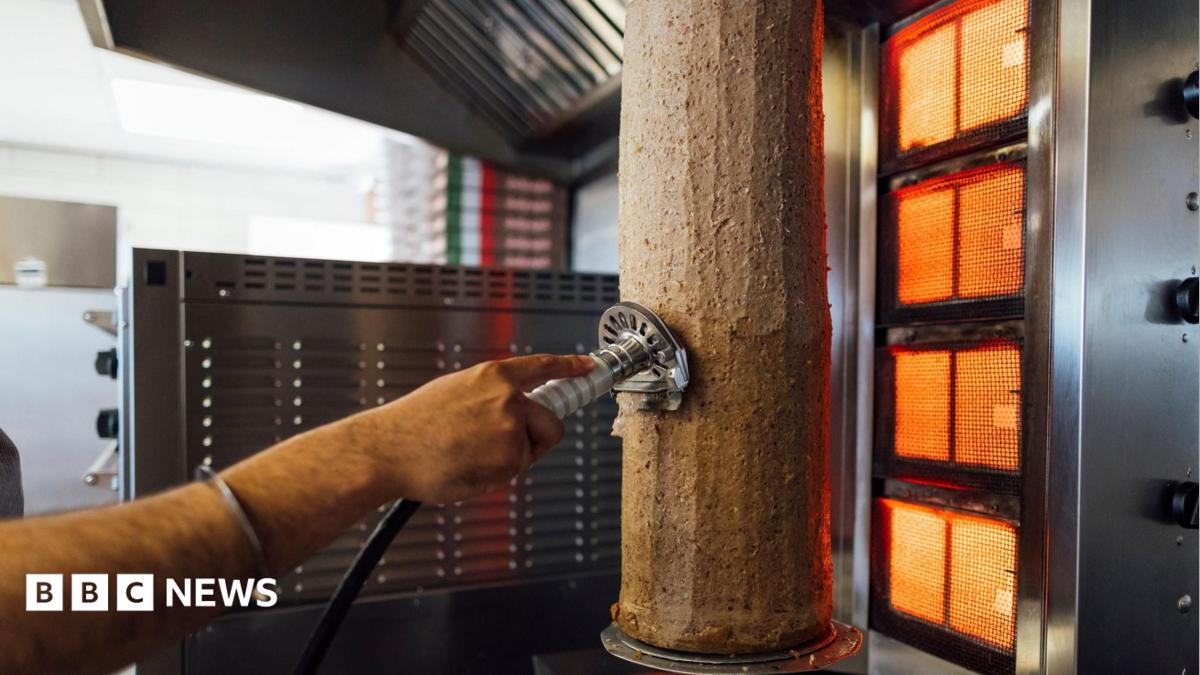
DIRECT ANSWER: Millions of UK takeaway customers may have unknowingly eaten goat, skin and fat in a doner kebab sold as lamb. Swansea trading standards found Kismet Kebabs products labelled as 70% lamb contained less than 10% sheep DNA. The Essex firm was fined £500,000 after admitting fraud dating to 2021.
Key Takeaways
- DNA tests on kebabs labelled 70% lamb found less than 10% sheep content.
- Investigators raided Kismet Kebabs in Essex in May 2021 and found goat, skin, fat and mutton — but almost no lamb.
- The case has been compared to the 2013 horsemeat scandal because of the scale of mislabelled product.
- Kismet Kebabs was fined £500,000 plus £259,298 in costs after pleading guilty to fraud.
- The company says the offences relate to historical events under previous leadership.
What did investigators find inside Kismet Kebabs?
Swansea Council trading standards began randomly DNA-testing doner meat from local takeaways in 2020 and 2021. Results on products supplied by Kismet Kebabs — which describes itself as one of the UK's largest doner kebab makers — raised immediate alarm.
Kebabs advertised as 70% lamb returned results showing less than 10% sheep DNA, according to reporting by the BBC. Officers raided the company's factory in Latchingdon, Essex, in May 2021.
Trading standards officer Rhys Harries told the BBC investigators saw no lamb deliveries apart from lamb fat. Instead, he said, there were pallets of goat, trim, offcuts with high fat content, boxes of fat and skin, and bits of mutton. Harries said it all went into a massive mincer and came out looking like Play-Doh.
How were lamb doner kebabs mislabelled?
Kismet Kebabs labelled its lamb doner products as containing between 50% and up to 87% lamb, depending on the product. Prosecutors told Swansea Crown Court that much of what was sold as lamb was in fact skin and fat.
On one production line, investigators found the same trays of doner meat being packed into two different packets — one marked 70% lamb and another marked 50% lamb. Recipe cards recovered at the factory showed some lamb kebab mixes contained no lamb meat at all, listing only goat, beef fat and chicken drumsticks instead.
One product claiming 87% lamb was found to be 40% animal fat. The firm supplied takeaways and restaurants across the UK for years, meaning millions of customers may have been affected. Some coverage has likened the scale to the 2013 horsemeat scandal.
What penalty did Kismet Kebabs face?
Kismet Kebabs Ltd pleaded guilty to fraud by false representation. In June 2026, Swansea Crown Court fined the company £500,000 and ordered it to pay £259,298 in prosecution costs, with four years to pay.
Prosecutor Lee Reynolds said the company routinely purchased goat, lamb fat, skin, mutton and ovine meat, then processed and sold it as lamb. Reporting suggests the firm made around £6 million from the fraud. Judge Huw Rees described considerable dishonesty over a prolonged period.
Is the company still operating?
Kismet Kebabs remains in business and has changed leadership since the fraudulent practices. In a statement reported by Metro, the company said the matters relate to historical events and do not reflect current standards, systems or operational controls.
Separately, factory footage circulated alongside the scandal has drawn revulsion online, with viewers calling the doner production process disgusting. The case has renewed questions about what is really inside Britain's most popular late-night takeaway.