Keir Starmer ends his political journey at final PMQs applause
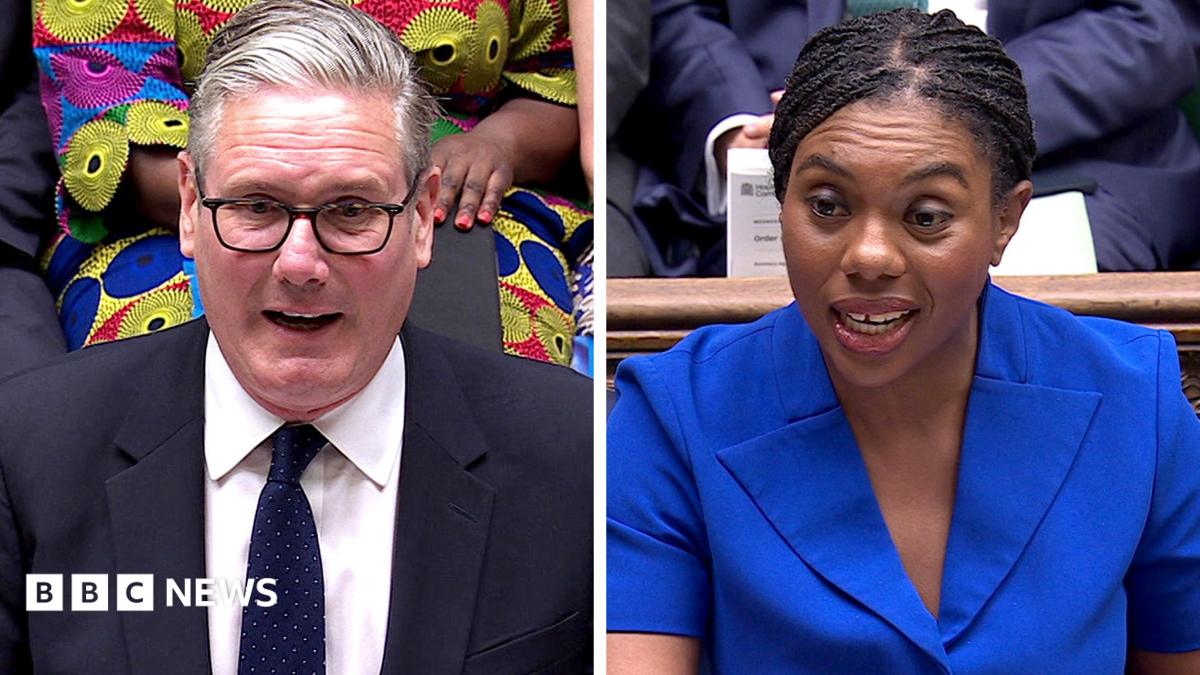
Sir Keir Starmer told MPs at his final Prime Minister's Questions on 15 July 2026 that "this is the end of my political journey," drawing applause from the Commons as he prepared to step down as prime minister and leave the dispatch box for the last time. The session with Conservative leader Kemi Badenoch closed his premiership and set the stage for successor Andy Burnham to take over at No 10.
Starmer entered the chamber to cheers from Labour benches before opening with a tribute to Ann Widdecombe, the Reform UK spokesperson and former Conservative minister killed last week in what police described as a "targeted attack." He said he was "truly horrified" and called her a "distinguished politician with deep convictions," adding that "we must do more to defend our democracy."
Badenoch began her questions with her own tribute to Widdecombe, praising her "high principle" and "wicked sense of humour." Their final exchange turned personal. Starmer thanked Badenoch for private kindness during difficult moments, including after an attempt to burn down his family home, which he said "deeply affected my family." Badenoch thanked his family for the "love and support" they gave him in office.
Key Takeaways
- Starmer declared his political journey over at his last PMQs on 15 July 2026 and received applause from MPs.
- Both party leaders paid tribute to Ann Widdecombe after her killing in a police-described targeted attack.
- Starmer and Badenoch shared an unusually warm closing exchange after years of robust PMQs clashes.
- Badenoch pressed Starmer on whether successor Andy Burnham should face Commons scrutiny before summer recess.
- The handover marks a major UK leadership shift watched closely across politics and financial markets.
What happened at Keir Starmer's final PMQs?
Wednesday's session was Starmer's last appearance at the dispatch box as prime minister. BBC coverage reported he was cheered on arrival and later drew applause as he signalled the close of his political career.
Policy questions still dominated parts of the session. Badenoch asked whether Burnham should come to the Commons to answer questions rather than "scurrying away for the summer." Starmer replied that he had answered at PMQs "at least 2,800 times" and expressed confidence she would hold his successor to the same standard.
Badenoch also joked that "we all hope" Starmer would still be prime minister "when England win the World Cup," a lighter note in an otherwise solemn farewell. Earlier the same day, a cabinet source told the BBC that Starmer received a standing ovation at his final cabinet meeting, with Deputy Prime Minister David Lammy praising his role in "turning the party around and his place in history."
Why did Starmer and Badenoch share an emotional exchange?
Sky News highlighted the unusually personal tone of their final PMQs encounter. After routinely sharp parliamentary battles, both leaders used the occasion to acknowledge one another's humanity away from the dispatch box.
Starmer singled out Badenoch's private support during family crises, while she thanked his relatives for standing behind him through the pressures of Downing Street. The moment stood apart from their typical adversarial rhythm and framed the session as a transition in British leadership rather than ordinary partisan combat.
Why does Starmer's exit matter beyond Westminster?
A prime minister's departure reshapes the UK's political direction and the policy environment that businesses, investors, and regulators must navigate. Leadership transitions can shift expectations on fiscal policy, trade, and institutional stability — themes covered in our Fintech & Crypto Alerts coverage when major political inflection points hit markets.
Starmer's farewell PMQs formalised the end of his tenure at the top of government as Burnham prepares to take over. For MPs and the public, the applause reflected recognition of a completed chapter; for markets and policy watchers, it signals that a new administration will soon set the agenda from No 10.
For full live coverage of the session, see the BBC's PMQs live page and Sky News video of the Starmer-Badenoch exchange.