Just Fontaine’s World Cup record still haunts 2026 shooters
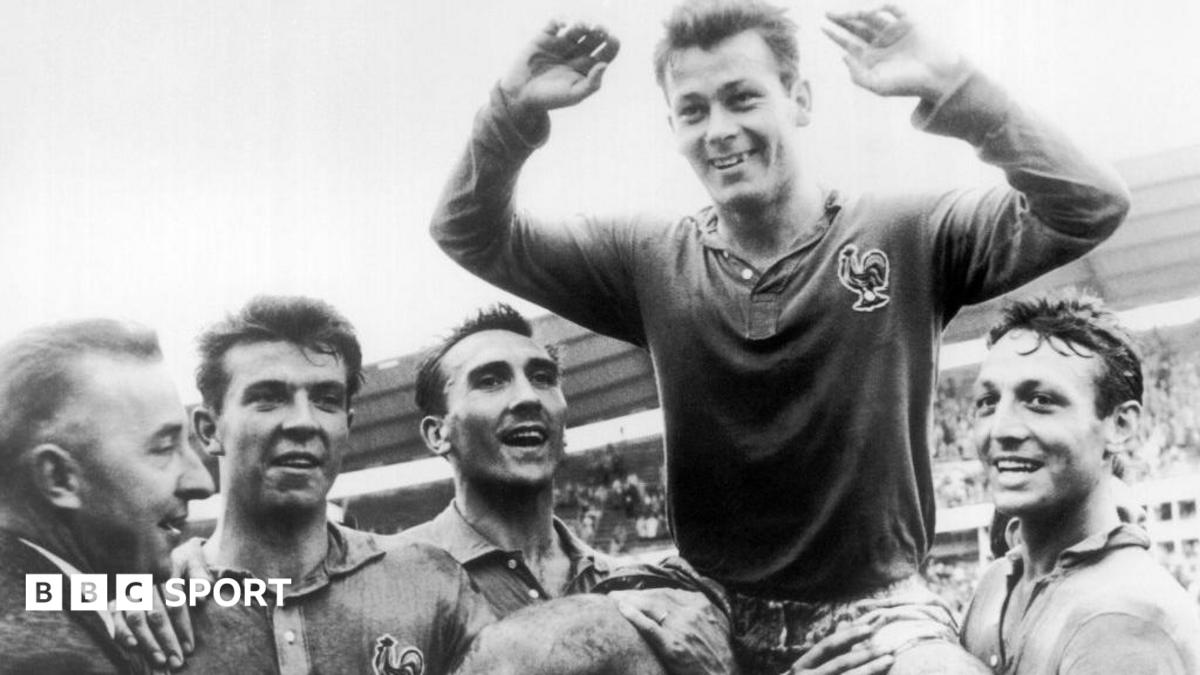
Just Fontaine remains the greatest single-World-Cup goal scorer: he hit 13 goals in six games at Sweden 1958, a record no player has matched in nearly seven decades. As World Cup 2026’s scoring race heats up, his feat matters because it sets the benchmark modern stars—and modern analytics—keep chasing.
Key Takeaways
- Just Fontaine’s mark is 13 goals in one World Cup (1958), still unmatched.
- The record’s context includes a high-scoring tournament and France leading all teams for goals in 1958.
- World Cup 2026’s storyline includes an intense Golden Boot battle that keeps reviving Fontaine’s name.
- Creators matter: 2026’s goal surge is being driven by wide players creating chances and assists.
Who is Just Fontaine, and why is his World Cup record still No. 1?
Fontaine’s World Cup legend comes down to a single, staggering statistic: 13 goals at one tournament. According to BBC Sport, his 13-goal haul at the 1958 World Cup remains the record for goals by one player at a single World Cup.
The BBC also notes the feat is even more remarkable given the circumstances: Fontaine “wasn’t wearing his own boots” and wasn’t expected to be starting France’s matches in Sweden. In today’s era of constant highlights, the BBC describes him as comparatively unknown to modern audiences—yet his number is the one everyone still references.
What actually happened at Sweden 1958 that made 13 goals possible?
BBC Sport places Fontaine’s scoring within the wider shape of that tournament: 1958 produced 126 goals, the second most in a 16-team World Cup, behind 1954. France were the tournament’s top-scoring team with 23, and Fontaine’s “free scoring” fit the moment.
There’s also an awards twist that underlines how different the era was. BBC Sport reports Fontaine did not receive a Golden Boot trophy—because the award was not introduced until 1982—and was instead given an air rifle by a Swedish newspaper for being a “sharp shooter.”
Why is World Cup 2026 reviving the Just Fontaine debate right now?
The BBC frames 2026 as a tournament where elite scorers are again pushing unusual numbers, fueling the same question: can anyone get close to 13? BBC Sport points to a “fearsome battle” for the Golden Boot involving Lionel Messi, Kylian Mbappé, Erling Haaland and Harry Kane, and says since 1970 only three times has a World Cup top scorer scored more than six goals.
But the 2026 conversation isn’t only about finishers—it’s about supply lines. That’s where the tournament’s most modern, data-driven storyline overlaps with Fontaine’s old-school record: who is creating the chances that turn hot streaks into history?
How are wingers and analytics shaping 2026’s record-pace goals?
The New Indian Express argues that while forwards “reap the rewards,” the “driving force behind the goals are the wingers,” because much of the attacking concentration is coming from wide areas. It highlights Michael Olise as an example, saying he has five assists (the most at the time of reporting) and an expected-assist (xA) figure of 2.3, with playmaking that “directly fuels” France’s attacking numbers.
The same report adds that Olise’s impact shows up in other tracked metrics too—like defensive line breaks attempted—illustrating how measured creation can power headline goal totals. In other words: if 1958 was about a scorer catching fire in a goal-rich tournament, 2026 is also about the creators whose numbers help explain why the goals keep coming.
For more coverage in this section, see our hub: Future Tech & AI Wonders. For the primary reporting on Fontaine’s record and its 2026 relevance, read BBC Sport.