'You're taking our jobs': Julian Cash leads doubles backlash
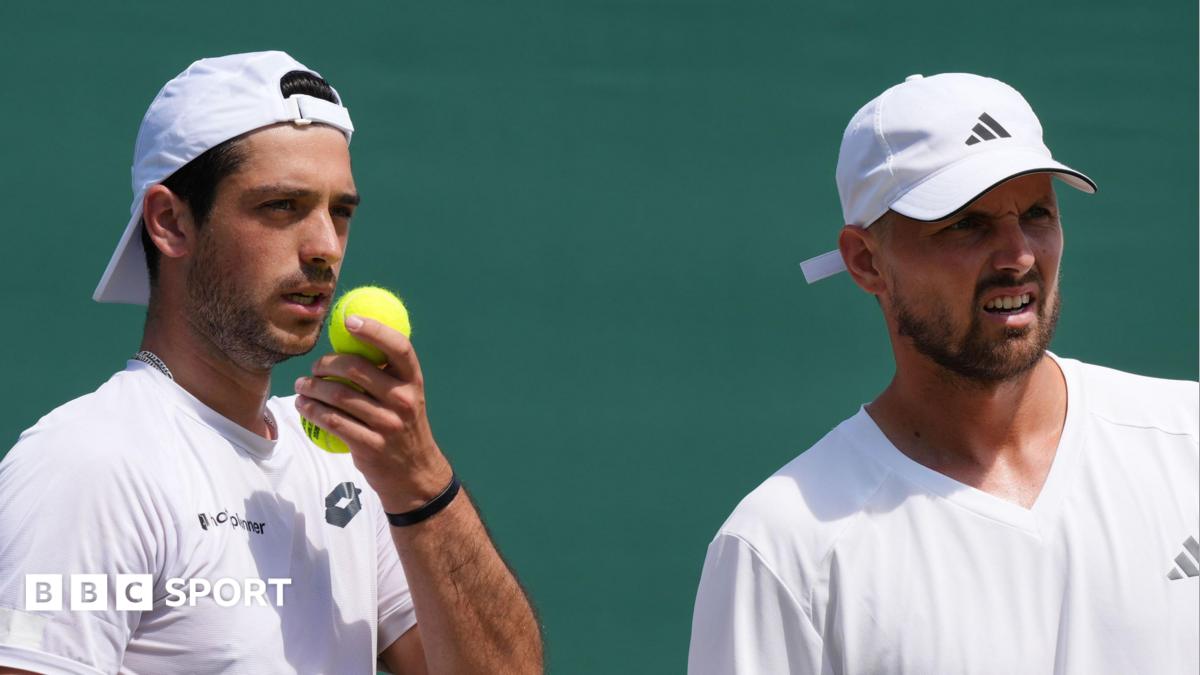
Doubles specialist Julian Cash says the ATP Tour's proposed 2028 cuts — halving draw sizes and slashing prize money from 20% to 10% — would "take our jobs away." The defending Wimbledon men's doubles champion, alongside partner Lloyd Glasspool, is leading a player revolt against plans they say would end doubles as a viable profession.
At a meeting during Wimbledon 2026, the ATP outlined reforms that could reshape men's doubles from 2028. Leading specialists warn the plan threatens careers on court and for coaches, physios and support staff across the circuit.
Key Takeaways
- ATP proposals from 2028 could limit ATP 1000 doubles draws to 16 teams and smaller events to eight.
- Prize money for doubles may fall from 20% to 10%, with funds redirected to singles players.
- Julian Cash and Lloyd Glasspool accuse the tour of trying to "end doubles as a viable profession."
- World No. 1 Henry Patten clashed publicly with singles star Reilly Opelka on social media.
- The ATP says it is reviewing the doubles product to build a more sustainable long-term model.
What did the ATP propose at Wimbledon?
During a player meeting on Tuesday, the ATP presented changes taking effect from 2028. Doubles draws at ATP 1000 events could be cut from 32 teams to 16, while ATP 500 and 250 tournaments might feature just eight pairs.
The share of prize money devoted to doubles could drop from 20% to 10%, redistributed toward singles competitors. The tour argues current doubles field sizes strain player facilities and that reallocating funds could help more singles players cover professional costs.
In a statement, the ATP said it was "assessing the doubles product, draw sizes and player compensation distribution with the aim of creating a more sustainable long-term model while maintaining doubles' important role on the tour."
Why are Julian Cash and Lloyd Glasspool so angry?
Cash said the ATP was set up to protect players — "not to try and kill parts of the sport." Glasspool told the BBC that dealing with the dispute during the Championships was "annoying," adding that specialists had spent 20 years building their careers.
When officials suggested angry players had little to offer in talks, Glasspool pushed back: "We're like 'we are angry because you're taking our jobs away — what do you want us to do?'" Neal Skupski said much of the frustration stemmed from a lack of consultation.
Players warn anyone ranked outside the world's top 30 would find it "impossible to make a living." A collective statement accused the ATP of pushing reforms with "almost no transparency" — ending doubles as a profession "dressed up as a cost-saving measure."
How did the Opelka-Patten feud escalate?
American singles player Reilly Opelka argued that "nobody watches because they lack talent" and mocked doubles specialists' modest followings. Henry Patten, the world No. 1 in doubles, posted a photograph of sparse crowds at an Opelka match, captioning it #saveopelka.
Punto de Break described Patten's reply as a "devastating post" that turned the criticism back on Opelka. Doubles players argue empty seats in both disciplines show the problem is marketing, not the product itself.
What happens next for doubles on tour?
Cash and Glasspool hope more high-profile names will speak out to pressure the ATP. Skupski called for greater openness but doubted protests would help. Glasspool claimed that when marketed singles stars play doubles, "it is a packed crowd."
Commentators at The Times have accused the ATP of undermining doubles through poor promotion, then blaming the format for weak audiences. For more stories where careers hang in the balance, see our True Crime & Unsolved Mysteries coverage.
Full details are documented by the BBC. No final decision has been announced, but the row has exposed a deep fault line between singles and doubles players on the men's tour.