Judge allows police interview in Tupac Shakur murder trial
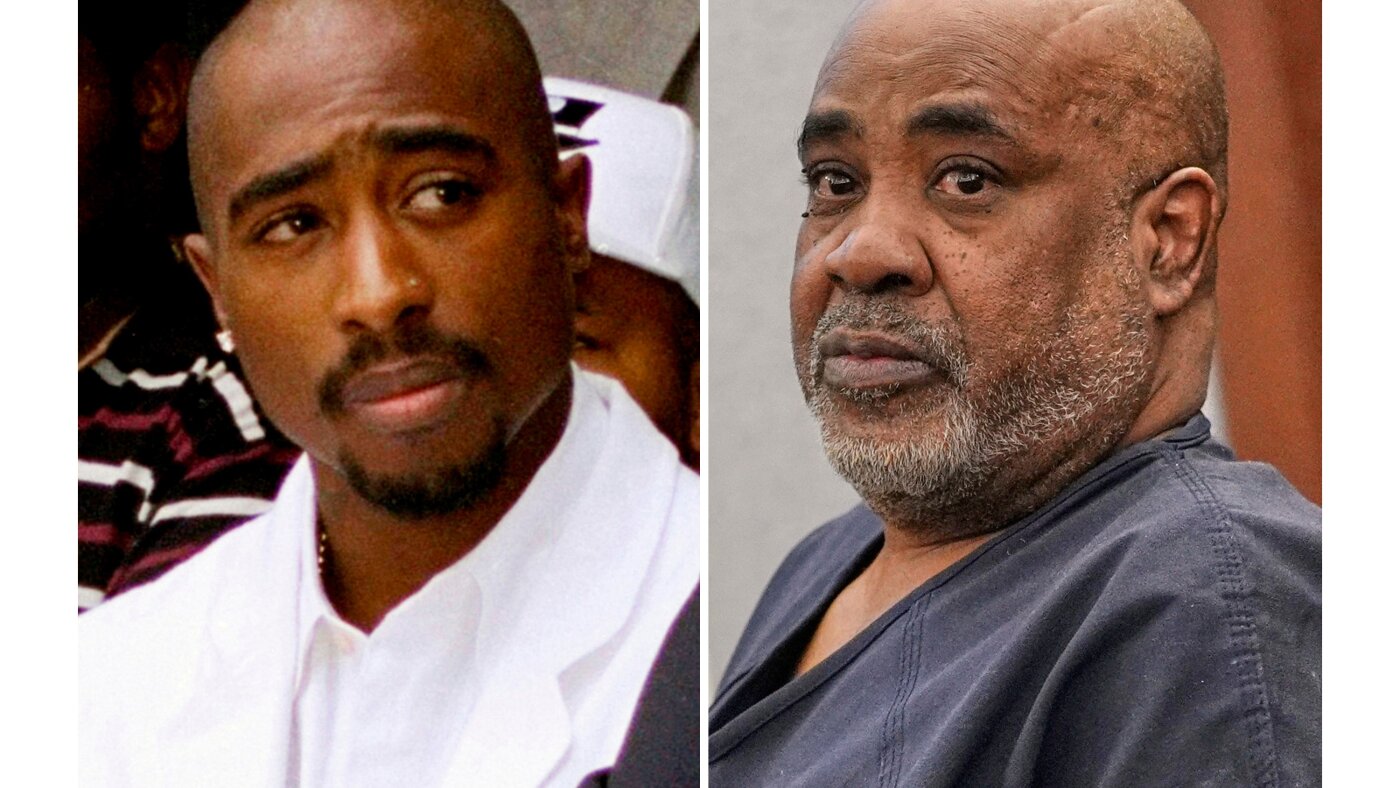
A Nevada judge ruled that a 2008 police interview with Duane "Keefe D" Davis can be used at his upcoming trial in the Tupac Shakur murder case. Judge Carli Kierny denied a defense motion to exclude the recording. Jury selection is set to begin Aug. 10.
Key Takeaways
- Judge Carli Kierny ruled a 2008 police interview with Davis is admissible at trial.
- Defense argued Davis did not know the talk was recorded and believed it was confidential.
- Prosecutors said there was "zero legal basis" to exclude the recording.
- Davis, 63, faces murder charges in the 1996 Las Vegas killing and life without parole if convicted.
- The trial is scheduled to start Aug. 10 and is expected to last about four weeks.
The ruling, reported by FOX5 Vegas, clears a key piece of evidence for prosecutors ahead of one of the most closely watched cases in true crime and unsolved mysteries.
What did the judge decide about the 2008 interview?
On Tuesday, Judge Carli Kierny found the interview admissible in Davis' trial. Chief deputy district attorney Mark DiGiacomo argued there was no legal ground to keep the recording out of court.
"There is zero legal basis to ever exclude the 2008 recording and that the basis of their motion is- the recording itself not what he said," DiGiacomo said, according to FOX5 Vegas.
Davis is charged with murder in Shakur's 1996 killing. He faces life in prison without parole if convicted. He was arrested in September 2023 and has remained in custody since.
Why did the defense want the police interview blocked?
Defense attorney Michael Sanft said his client did not know the interview was going to be recorded. He argued the 2008 conversation with law enforcement was supposed to be confidential, and that detectives told Davis it was not meant to be used against him.
Sanft also referenced a "disgraced LAPD detective who steals the file and discloses the information after the fact," FOX5 Vegas reported. Portions of the interview later appeared in former LAPD Detective Greg Kading's book Murder Rap and in documentaries, including Sean Combs: The Reckoning.
After the motion was denied, Davis' son reacted in the courtroom and received a verbal warning from a bailiff.
How does the interview fit the Tupac Shakur murder case?
Shakur was shot on Sept. 7, 1996, near the Las Vegas Strip while sitting at a red light with Death Row Records founder Marion "Suge" Knight. Shakur died six days later. Knight survived with minor injuries.
The case went cold for years until Davis made public statements about the shooting, including in a book he co-wrote. In that account, he said he was in the Cadillac and provided the weapon used to shoot Shakur. In the 2008 interview, Davis described pulling up beside Shakur's vehicle and said his nephew, Orlando "Baby Lane" Anderson, "popped them."
Anderson denied involvement at the time and died two years later in an unrelated gang shooting in Compton, California. Three others were with Davis in the Cadillac; Davis is the only person still alive, and none of the others faced charges before they died.
In his memoir, Davis said he obtained a handgun from an associate and tossed it into the back seat but did not say who fired the fatal shots. His attorney has separately argued that Davis' public confessions were lies meant to seek fame, and has sought dismissal on free-speech grounds ahead of the Aug. 10 trial.