Jos Pedro Castro inflammation research reframes aging
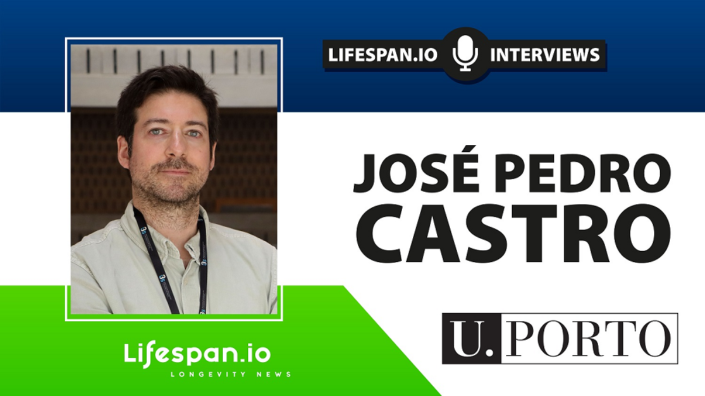
Dr. José Pedro Castro argues that healthy aging depends on inflammatory fidelity: balancing helpful and harmful inflammation rather than simply suppressing it. After winning the Rising Star Award at Longevity Summit Dublin, the Porto researcher explained how Jos Pedro Castro inflammation research links circuits, aging clocks, and chronic disease risk.
Key Takeaways
- Castro, a Gladyshev Lab alumnus now at the University of Porto, won the Rising Star Award at Longevity Summit Dublin in July 2026.
- His unpublished “inflammatory fidelity” idea scores beneficial versus harmful inflammation circuits that shift with age.
- An inflammation-based epigenetic clock, built from biologically chosen genes, tracked age acceleration in chronic disease and cancer.
- Chronic excess of typically “protective” cytokines such as IL-10 may still promote inflammaging.
- Future work aims to restore youthful inflammatory balance in immune cells and find resilience biomarkers.
Who is José Pedro Castro, and why does this matter?
Dr. José Pedro Castro is Assistant Researcher and Project Principal Investigator at the Institute for Research and Innovation in Health at the University of Porto. He is a Gladyshev Lab alumnus and has spent years studying inflammation’s role in aging and disease.
Earlier this month he received the Rising Star Award at Longevity Summit Dublin, where he presented the still-unpublished concept of inflammatory fidelity. For readers following longevity and biohacking research, the interview matters because it reframes inflammaging as a balance problem, not a simple on/off switch.
What is inflammatory fidelity in Jos Pedro Castro inflammation work?
Castro says the “inflammaging” label rightly highlighted chronic inflammation’s harm, but research has skewed toward bad inflammation while adaptive and regenerative roles stayed understudied. Using transcriptomic data from embryonic development through late life, his team found two broad circuits: one high early in life that then drops, and another that rises with age.
They combine those into a fidelity score—beneficial inflammation divided by harmful inflammation. The score falls in aging, chronic disease, and fibrosis, and rises in regeneration and longer-lifespan signatures. Context and timing matter: IL-6 can drive damage in one setting and support regeneration in another, including after exercise.
Next, Castro wants to test candidate transcription factors that may control these circuits, including whether old macrophages can be reprogrammed toward a more regenerative state.
How does his inflammation clock change aging biomarkers?
Castro and collaborator Csaba Kerepesi built an epigenetic clock from CpG sites in promoters of more than 100 inflammation-related genes tied to accelerated transcriptomic age. Unlike many black-box clocks, it started from known biology.
It tracked epigenetic age and acceleration in immune and cardiovascular disorders and many cancers, with predicted age rising from normal tissue to adjacent tissue to tumor. In OSKM partial-reprogramming data, predicted age fell. Trends broadly aligned with Horvath, Hannum, GrimAge, and GrimAge2.
A March preprint co-authored by Castro further suggests sustained IL-10—usually labeled anti-inflammatory—can reprogram T cells toward harmful inflammation and aging-linked tissue dysfunction in mice, with UK Biobank data linking higher blood IL-10 to a small, variable rise in mortality risk.
What therapies does Castro see next?
He doubts inflammation targeting alone will fully reverse aging, but argues controlling the right switches could extend lifespan by delaying chronic disease and compressing morbidity. His roadmap includes biomarkers of resilient inflammation (including in chronic kidney disease cohorts), immune-cell reprogramming for regeneration, and speculative hormesis-style inflammatory priming in young cells.
Full interview details are in the Lifespan.io conversation with Arkadi Mazin.