For 8 years, JJ Abrams' Star Trek was the only Trek
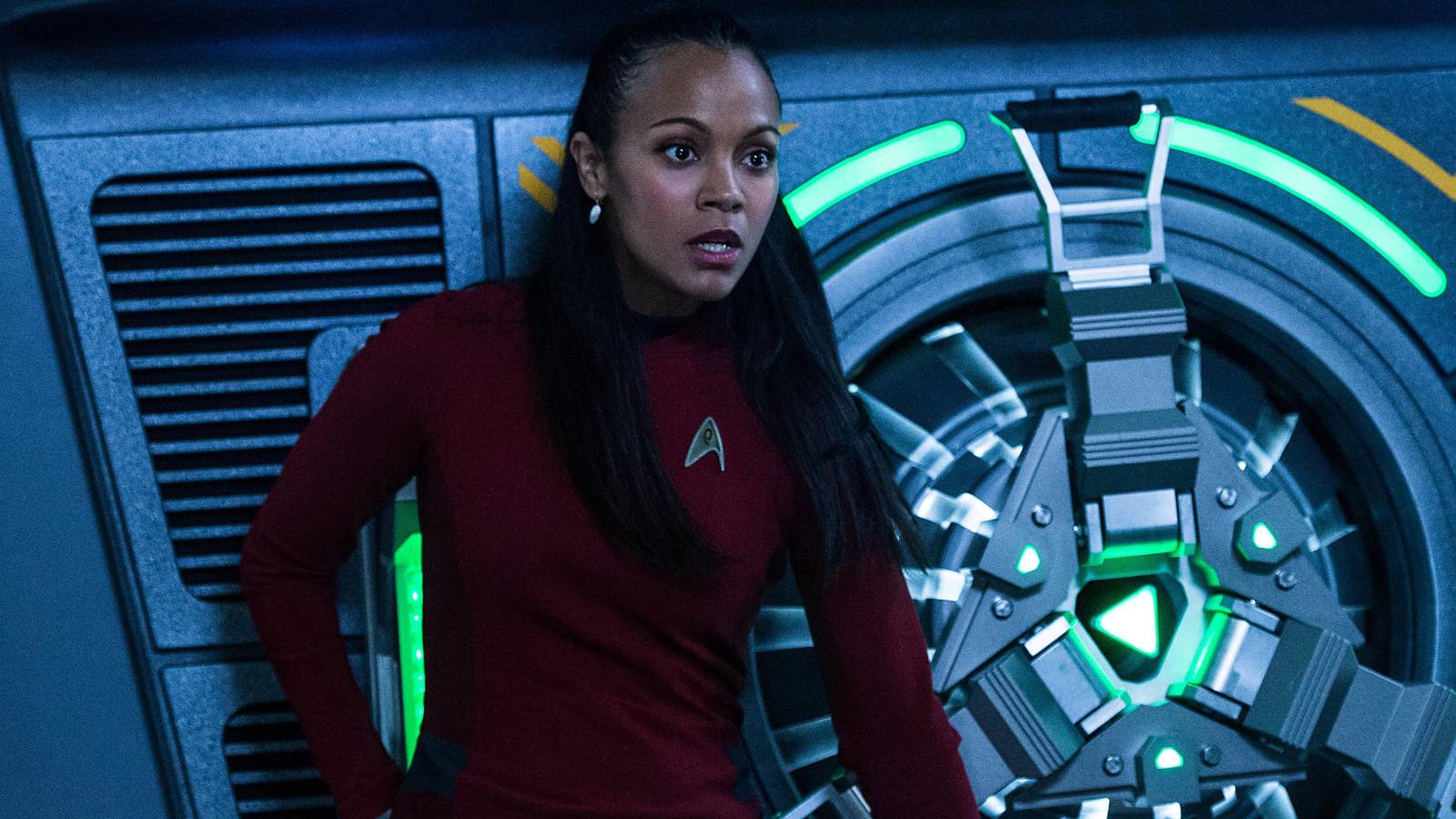
After UPN canceled Star Trek: Enterprise in 2005, JJ Abrams' blockbuster reboot trilogy was the sole new Star Trek for eight years, set in an alternate Kelvin Timeline rather than the Prime Universe fans had followed since the 1960s — until Star Trek: Discovery premiered in 2017.
For nearly a decade, loyal Trekkers watched a polished but separate reality while the timeline they cherished sat unexplored on screen. ScreenRant frames that stretch as a franchise dark period that still resonates as Future Tech & AI Wonders audiences debate whether theatrical Star Trek can thrive without the icons and continuity they grew up loving.
Key Takeaways
- From 2005 to 2017, Abrams' three Kelvin Timeline films were the only new Star Trek being produced.
- The trilogy recast Kirk and Spock successfully but diverged sharply from classic Trek's tone and Prime canon.
- Fans spent eight years without answers about what happened in the Prime Timeline after Enterprise ended.
- Abrams is now producing The End of Oak Street, an August 2026 dinosaur thriller set in suburbia.
- ScreenRant warns the franchise could face another extended gap where only one version of Trek dominates.
Why Did Star Trek Fans Call 2005–2017 a Dark Era?
When UPN ended Star Trek: Enterprise in 2005, episodic television production stopped. The 18-year unbroken run that began with Star Trek: The Next Generation in 1987 was over, and no new Prime Timeline stories arrived for years.
During those eight years, only Abrams' films filled the void: Star Trek (2009), Star Trek Into Darkness (2013), and Star Trek Beyond (2016). For viewers who treasured The Original Series and The Next Generation, it felt like the franchise they loved had gone quiet on television entirely.
What Made JJ Abrams' Star Trek Different From Classic Trek?
Abrams' 2009 reboot proved skeptics wrong by recasting icons with Chris Pine as Kirk and Zachary Quinto as Spock. The films were visually spectacular, propulsive blockbusters built for mainstream audiences, according to ScreenRant.
But the trilogy unfolded in the Kelvin Timeline, an alternate reality created after Nero attacked the USS Kelvin. Many fans initially feared earlier stories had been erased, though the 2009 film confirmed prior canon still existed — including a glimpse of 2387, eight years after Star Trek: Nemesis.
Still, outside the Romulan Supernova shown on screen, fans knew almost nothing about Prime Timeline events for eight years. Abrams' movies were broadly liked, yet they were not the Enterprise crew many viewers had followed since the 1960s.
Where Is JJ Abrams Taking His Blockbuster Instincts Next?
While Trek theatrical releases have stalled since Star Trek Beyond in 2016, Abrams has not stepped away from event filmmaking. He produced David Robert Mitchell's The End of Oak Street through Bad Robot, arriving in theaters and IMAX on August 14, 2026, per Rotten Tomatoes.
The survival thriller stars Ewan McGregor and Anne Hathaway as parents whose suburban neighborhood is ripped from suburbia and dropped among prehistoric threats. Abrams told Empire the hook is juxtaposing mundane family life — swing sets, ice-cream trucks, school buses — against dinosaurs, unlike Jurassic Park's islands and jungles.
Could Star Trek Face Another Abrams-Era Drought?
ScreenRant draws a parallel between that eight-year film-only stretch and today's uncertainty around what theatrical Star Trek should become next. The outlet asks whether the franchise's current dark age could last as long as the era when Abrams' movies were the only new Trek.
Whether fans again wait years for the Prime Timeline crew they love most — rather than a separate blockbuster vision — remains an open question for the next movie era.