Why Jimothy raccoon became the internet's mega meme
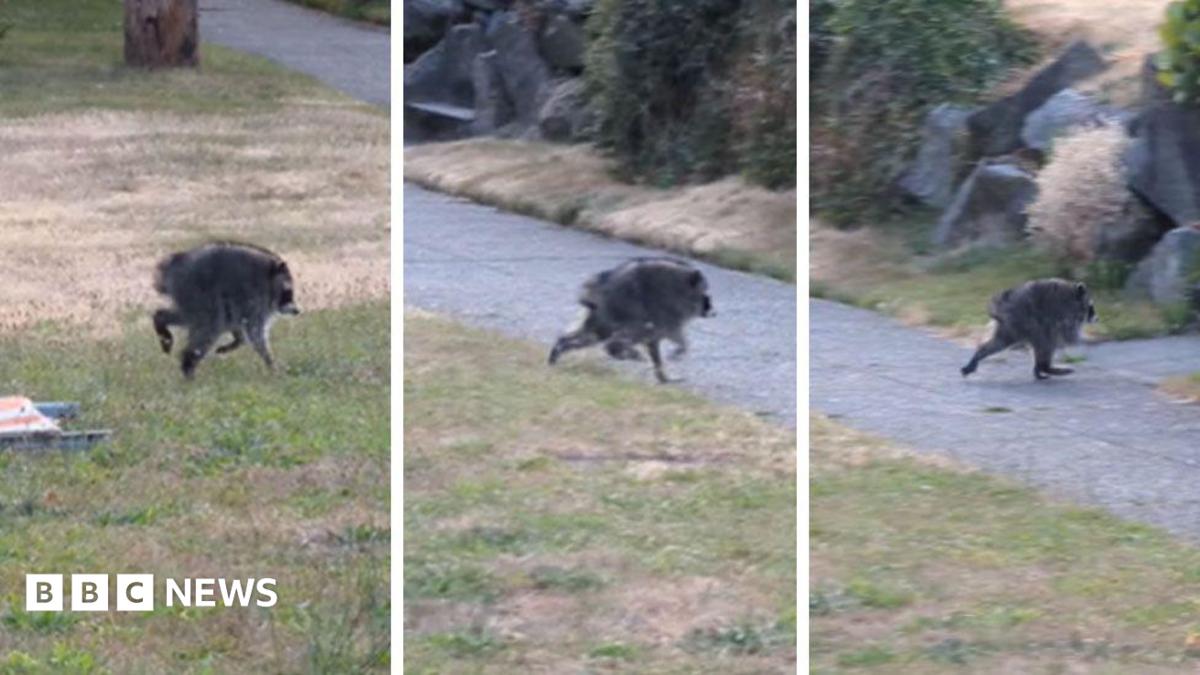
Jimothy raccoon became a mega meme after Seattle resident Kiana Hall posted Instagram footage of the spindly animal bolting across a pavement. The clip surpassed eight million views, sparked murals and brand tie-ins, and even crossed into White House social media—making the wild raccoon 2026’s cutest shared distraction.
Key Takeaways
- Jimothy first went viral via a Kiana Hall Instagram reel filmed in Seattle, later topping eight million views.
- Fans nicknamed him for a suspected “short spine syndrome” look, though that diagnosis is not confirmed.
- The craze spilled offline with a Ballard mural, meme coins, game shout-outs, and brand stunts.
- Washington officials urge people not to pet, cuddle, or feed him, saying he poses no public-health risk if left alone.
- Like Moo Deng and Neil the Seal, Jimothy fits a wave of chaotic cute-animal memes that briefly unite online crowds.
If you follow Bizarre News & Florida Man stories, you already know the formula: one odd animal, one phone video, and a feed that cannot look away. Jimothy simply executed it better than most.
Who is Jimothy the raccoon and how did he go viral?
According to the BBC, the saga began with an “innocuous” Instagram video from Seattle resident Kiana Hall. She can be heard asking, “What am I looking at?” as the raccoon hurtles across a pavement and up nearby steps.
Hall’s caption called him “Jimothy the raccoon with short spine syndrome.” It is not known for sure whether that condition caused his unusual, spindly shape, but the description stuck. Commenters treated the clip like a shared secret that found them anyway—“Jimothy would find me, and now he has,” one viewer wrote.
Some users also said the fame usefully spotlighted congenital spine conditions. Australian YouTuber Lessons in Meme Culture noted that a dog named Pig briefly went viral in 2014 for a similar short-spine look.
Why has Jimothy raccoon seized the internet right now?
Digital culture researcher Dr Idil Galip told the BBC that expanding cities and food waste mean more human–raccoon run-ins—and more funny footage that can meme “almost instantly” in saturated feeds. Jimothy’s scamper, compared by the BBC to a Tasmanian Devil, made him instantly shareable.
He joined a lineage that includes Doge, Grumpy Cat, Moo Deng, and Neil the Seal: unusual animals that are also extremely clip-friendly. In an overwhelming online landscape, blogger Jamie Slack argued that Jimothy offered a rare moment when strangers giggling at the same “little gremlin” briefly felt on the same page.
That unity theme echoes reporting from The Times, which framed the Seattle raccoon as a figure who can bridge political divides as people call for his protection.
What happened after the Jimothy meme left social media?
Love for Jimothy moved offline fast. A local artist painted a mural in Ballard, the Seattle neighbourhood where he was first spotted. Brands piled on: a Google search animation for “Jimothy,” meme coins named after him, an upcoming World of Warcraft cameo in fictional Azeroth, and a claimed Minecraft appearance.
President Donald Trump’s White House social accounts joined in too, sharing a meme of the raccoon in a red “Trump was right about everything” hat. Galip called meme marketing “standard practice,” with brands hopping on trends for momentary visibility.
Officials still want the fame kept at a distance. Washington’s state health department said on Threads that as long as people do not try to pet, cuddle, or feed him, “Jimothy poses zero public health risk.” The raccoon, the BBC notes, remains blissfully unaware of his fifteen seconds—while the internet keeps rooting for the round, silly neighbourhood star.