Jim Jordan refers Jack Smith to DOJ over alleged perjury
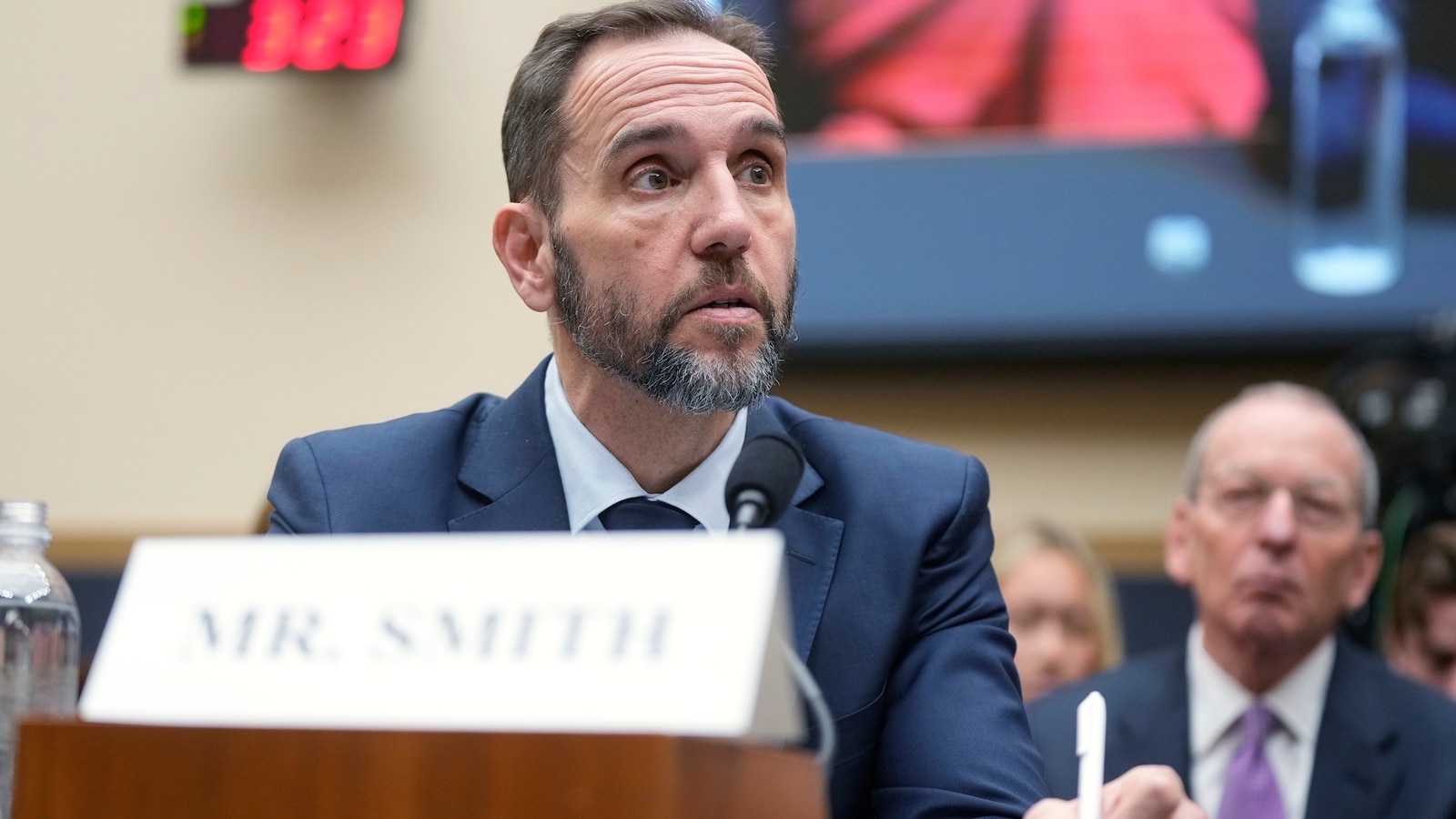
House Judiciary Committee Chairman Jim Jordan has referred former special counsel Jack Smith to the Justice Department for alleged perjury. The Jim Jordan Jack Smith referral claims Smith made willfully false statements in a December 2025 deposition about investigators' access to lawmakers' phone and text records.
Key Takeaways
- Rep. Jim Jordan issued a criminal referral Wednesday accusing Jack Smith of willfully false congressional testimony.
- The dispute centers on whether Smith's team obtained text-message content via a National Archives subpoena after Smith described toll records only.
- Jordan sent the referral to acting Attorney General Todd Blanche; the DOJ said it received the letter and will investigate evidence of criminal conduct.
- Ranking Democrat Jamie Raskin called the referral "baseless and vindictive," saying Smith answered the questions asked about toll records.
- Smith's lawyers had not immediately responded for comment, according to reporting.
What did Jim Jordan accuse Jack Smith of doing?
On Wednesday, House Judiciary Committee Chairman Jim Jordan referred former special counsel Jack Smith to the Justice Department, alleging he made "willfully and intentionally false statements" when testifying before Congress last December. In a letter to acting Attorney General Todd Blanche, Jordan wrote that the committee was referring "strong evidence that appears to show" Smith "knowingly made false statements" during his Dec. 17, 2025, deposition, ABC News reported.
Jordan argued Smith's testimony included "intentionally false statements designed to obstruct the Committee's oversight," and that Smith "failed to disclose" a separate subpoena to the National Archives and Records Administration. A criminal referral from Congress does not itself bring charges; the Justice Department decides whether to pursue a case.
Why does the referral center on phone and text records?
According to CBS News, the referral follows last year's revelation that investigators obtained several Republican lawmakers' phone records in the probe of President Trump's actions after the 2020 election. In a deposition, Smith testified that his team did not receive the contents of any phone calls or text messages because the records sought were "toll records," which cover details such as numbers called—not message content.
Last week, the Justice Department told lawmakers that in a separate NARA subpoena, Smith's team obtained text messages between Trump-era White House staffers and dozens of members of Congress. Jordan said that conflicted with Smith's account and amounted to "materially false statements." For related political and markets coverage on BlasterPost, see our Fintech & Crypto Alerts hub.
How are Democrats and the Justice Department responding?
Ranking Judiciary Democrat Rep. Jamie Raskin slammed the GOP-led move as "baseless" and "vindictive." He said Smith was asked about subpoenas for GOP lawmakers' toll records—not the National Archives request—and argued Smith answered truthfully. If the matter reaches a judge, Raskin predicted, it "will get laughed out of court," adding that Republicans faulted Smith "for not reading the minds of congressional investigators and for not volunteering information they didn't ask for."
A Justice Department spokesperson confirmed to CBS News that the department has received the referral letter and "will investigate all evidence of criminal conduct." ABC News reported that lawyers for Smith did not immediately respond for comment; CBS News also said it had reached out to Smith's representatives.
Will Jack Smith face criminal charges after the referral?
Not automatically. Congressional criminal referrals ask prosecutors to review alleged misconduct; charging decisions rest with the Justice Department. Blanche was asked to investigate, and officials have acknowledged receipt of Jordan's letter, but neither ABC nor CBS reported that charges have been filed. The dispute remains a live political and legal fight over how Smith's deposition answers square with later disclosures about NARA records.